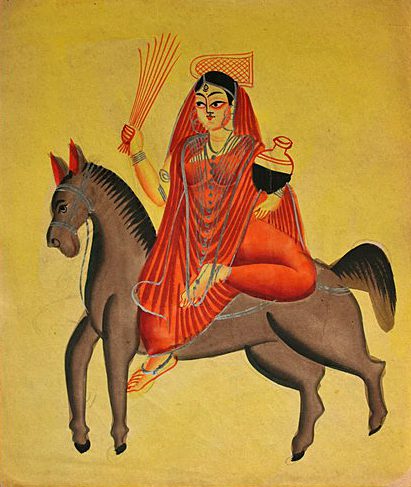
Shitala, often referred to as the goddess of smallpox and diseases, holds a significant place in Hindu mythology. She is venerated primarily in the northern regions of India, where her worship is deeply rooted in the traditions and beliefs of the local communities. Shitala is seen as a protective figure, a deity who has the power to cure ailments and ward off the dangers posed by diseases. Her name translates to “the one who cools,” which reflects her role in alleviating the suffering caused by fevers and other ailments. In this article, we will explore the various aspects of Shitala, including her origins, symbolism, rituals associated with her worship, and her impact on cultural practices.
Origins of Shitala
The origins of Shitala can be traced back to ancient texts and oral traditions that highlight her role in Hindu mythology. According to some legends, she is considered an incarnation of the goddess Durga, representing a more benign aspect of her power. This connection to Durga emphasizes the dual nature of femininity in Hinduism, where the goddess can embody both fierce and nurturing qualities. In some narratives, Shitala is depicted as the daughter of Lord Shiva and Goddess Parvati, which further solidifies her divine lineage.
 Sisupala
Another popular story associated with Shitala involves her relationship with the disease she governs. It is believed that Shitala was once a beautiful woman who fell victim to a terrible disease. As a result, she transformed into a goddess who could control and alleviate the suffering caused by diseases, particularly smallpox. This narrative serves to highlight the idea that illness can lead to transformation and that suffering can ultimately result in healing and protection.
Symbolism of Shitala
Shitala is often depicted in various forms, each carrying rich symbolism. One of her most common representations shows her riding a donkey, which symbolizes humility and service. The donkey is also associated with the idea of carrying burdens, reflecting Shitala’s role in alleviating the burdens of illness and suffering from her devotees. Her attire is usually adorned with traditional jewelry, which signifies her divine status and the wealth of blessings she bestows upon her followers.
Additionally, Shitala is often shown holding a broom and a pot of cooling water. The broom symbolizes the act of sweeping away diseases and negativity, while the pot represents her ability to cool fevers and provide relief to those in distress. This imagery reinforces her role as a protective and nurturing figure, one who is ready to assist those who seek her help.
 Shatrughna
Rituals and Worship
The worship of Shitala involves various rituals and practices that vary by region and community. One of the most common rituals is the Shitala Ashtakshara Mantra, which is chanted to invoke her blessings and seek protection from diseases. Devotees often gather in temples dedicated to her or set up altars in their homes, where they offer prayers, flowers, and food as a form of devotion.
During the festival of Shitala Saptami, which is celebrated in many parts of India, devotees observe a day of fasting and engage in communal prayers. This festival typically falls in the month of Chaitra, according to the Hindu calendar, and is dedicated to seeking the goddess’s blessings for health and well-being. On this day, it is common for people to prepare and share cooling foods like curd and rice, which are believed to be favored offerings of Shitala.
- Offerings of sweet dishes, particularly made from milk and sugar.
- Lighting of lamps and incense during prayers.
- Participating in community gatherings to celebrate her blessings.
Shitala in Folk Traditions
 Shashthi
Shitala’s influence extends beyond religious practices and is deeply embedded in the folk traditions of many Indian communities. She is often invoked during times of illness, especially when smallpox outbreaks occur. In rural areas, her worship may include rituals performed by local healers or shamans who are believed to have a special connection with her. These practitioners often use traditional medicine in conjunction with prayers to Shitala, creating a holistic approach to healing.
In some regions, stories and songs about Shitala are passed down through generations, emphasizing her role as a protector and healer. These narratives often highlight the importance of maintaining good health and the need for community support during times of illness. The goddess is celebrated not only for her divine powers but also for her embodiment of compassion and care.
Shitala in Modern Context
In contemporary times, Shitala’s worship has adapted to the changing dynamics of society. While traditional rituals remain significant, many people now incorporate modern practices into their devotion. For instance, with the rise of awareness about public health, Shitala is often invoked in the context of seeking protection from not just smallpox but also other diseases, including viral infections and epidemics.
Moreover, the narrative surrounding Shitala has expanded to include themes of health awareness and preventive measures. In urban areas, health camps and awareness programs may be organized in her name, emphasizing the importance of vaccinations and hygiene in combating diseases. This modern interpretation of her worship reflects the ongoing relevance of Shitala in addressing health issues in contemporary society.
Shitala’s Influence on Art and Culture
Shitala’s presence in art and culture is evident in various forms, including paintings, sculptures, and folk performances. Artists often depict her in vibrant colors, capturing her essence as a nurturing and protective figure. These artworks serve not only as religious icons but also as cultural expressions that celebrate the goddess’s significance in the lives of her devotees.
In addition to visual arts, Shitala is also a prominent figure in dance and drama. Folk performances that recount her stories often feature traditional music and dance, highlighting the cultural richness of the regions where she is worshipped. These performances not only entertain but also educate audiences about her virtues and the importance of health and well-being.
- Traditional paintings showcasing her divine attributes.
- Sculptures found in temples and homes across India.
- Folk performances that narrate her tales and significance.
Shitala and Community Health
Shitala’s role in community health is particularly noteworthy. In many villages, she is considered the guardian against outbreaks of diseases, and her blessings are sought during public health crises. Community rituals and prayers are often organized to invoke her protection, fostering a sense of unity and collective responsibility among the villagers.
Moreover, the worship of Shitala often coincides with local health initiatives, where traditional knowledge and modern health practices come together. Health workers may collaborate with local religious leaders to promote awareness about hygiene, vaccination, and preventive care, thereby integrating Shitala’s spiritual significance with practical health measures.
Shitala’s legacy in Hindu mythology is a testament to the enduring connection between spirituality and health. As a goddess who embodies compassion and healing, she continues to inspire devotion and reverence among her followers. Her influence can be seen not only in religious practices but also in the broader cultural and social fabric of communities. Through rituals, stories, and artistic expressions, Shitala remains a vital figure in the quest for health and well-being, bridging the gap between ancient traditions and modern realities.