
Sâvitrî is a prominent figure in Hindu mythology, celebrated for her unwavering devotion and strength. She is best known for her story in the Mahabharata, particularly in the Vana Parva or the Book of the Forest. Sâvitrî’s tale revolves around her determination to save her husband, Satyavān, from the clutches of death. This story not only highlights her love and loyalty but also serves as a reminder of the power of faith and the divine.
The Story of Sâvitrî
The story of Sâvitrî begins in the kingdom of Vatsala, where she is the beautiful daughter of the king. From a young age, Sâvitrî is portrayed as a wise and intelligent woman, possessing a strong sense of duty and honor. She learns about her future husband, Satyavān, who is destined to die one year after their marriage. Despite knowing this tragic fate, Sâvitrî chooses to marry him, driven by her love and commitment.
 Sati
SatiAfter their marriage, Sâvitrî and Satyavān live a simple life in the forest, where they face numerous challenges. Satyavān, although noble and virtuous, is aware of his impending death. Yet, Sâvitrî remains undeterred and supports him with her love and strength. Their bond deepens as they face the hardships of forest life together, illustrating the essence of true companionship.
The Day of Destiny
The day of Satyavān’s predicted death arrives, and Sâvitrî prepares herself for the worst. She knows that Yama, the god of death, will come to claim her husband. Despite the overwhelming fear, she remains steadfast in her resolve to save him. On that fateful day, as Satyavān lies down to rest, Sâvitrî stays by his side, praying fervently for his life.
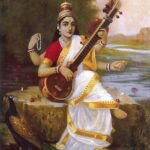 Sarasvati
- Sâvitrî’s determination is unwavering.
- She engages in deep meditation and prayer.
- Her love becomes a source of strength.
When Yama arrives to take Satyavān, Sâvitrî confronts him boldly. She does not cower in fear but stands tall, demanding justice for her husband’s life. This moment is pivotal in the story, as it showcases her courage and her refusal to accept fate without a fight. Her dialogue with Yama is filled with eloquence and wisdom, as she articulates the virtues of her husband and the strength of their love.
Sâvitrî’s Cleverness and Wit
In her encounter with Yama, Sâvitrî employs her intelligence and cleverness. She engages him in a conversation, asking questions that highlight the importance of dharma (righteousness) and the bonds of love. Sâvitrî’s words resonate with Yama, who is initially taken aback by her determination. She cleverly argues that her husband’s life should be spared, emphasizing the strength of their marital bond.
As the conversation unfolds, Yama is impressed by Sâvitrî’s devotion and intellect. He acknowledges her bravery and wisdom, qualities that are rarely found in mortals. This interaction is significant, as it demonstrates that even the gods can be swayed by pure love and determination. Sâvitrî’s cleverness ultimately leads to a negotiation with Yama, allowing her to earn a boon for her husband.
 Saranyu
- Sâvitrî asks for Satyavān’s life.
- Yama offers her a choice of boons.
- She uses her intelligence to secure her husband’s life.
Yama, recognizing her unwavering spirit, grants her the boon of her choice. Sâvitrî, in a moment of profound wisdom, requests that her husband be granted longevity and health. She does not ask for riches or power but prioritizes the life and well-being of her beloved Satyavān. This selflessness is a testament to her character and highlights the importance of love and sacrifice in relationships.
The Symbolism of Sâvitrî
Sâvitrî’s story is rich in symbolism, representing the ideals of patience, love, and devotion. She embodies the qualities of an ideal wife, known as Patni Dharma, who is willing to go to great lengths to protect her husband. Her journey is not just about saving Satyavān; it is also about the strength of the human spirit and the power of love in overcoming obstacles.
Furthermore, Sâvitrî symbolizes the concept of Sati, which refers to the virtue of a woman who is devoted to her husband. Her actions challenge the notion of passive acceptance of fate and instead advocate for active participation in shaping one’s destiny. Sâvitrî teaches us that love is a powerful force that can influence even the divine, making her story timeless and relevant across generations.
Lessons from Sâvitrî’s Tale
The tale of Sâvitrî offers several important lessons that resonate with audiences today. First and foremost, it emphasizes the significance of commitment in relationships. Sâvitrî’s unwavering dedication to Satyavān, despite the foreknowledge of his death, serves as a reminder of the strength that love can provide in difficult times. Her actions encourage individuals to remain steadfast in their commitments, even when faced with insurmountable challenges.
- Commitment in relationships is paramount.
- Love can inspire courage and determination.
- Selflessness is a virtue worth cultivating.
Another critical lesson from Sâvitrî’s story is the importance of communication and dialogue. Her ability to engage Yama in conversation highlights the power of words and the impact they can have on situations. Sâvitrî’s eloquence and reasoning lead to a favorable outcome, showcasing how effective communication can bridge gaps and resolve conflicts. This aspect of her story encourages individuals to speak up for what they believe in and to articulate their thoughts and feelings clearly.
The Cultural Impact of Sâvitrî
Sâvitrî’s tale has had a profound impact on Indian culture and literature. Her story is celebrated in various forms, including folk songs, dramas, and dance performances. The character of Sâvitrî has become a symbol of strength and devotion, inspiring countless women throughout history. Her narrative has transcended time, resonating with people from different backgrounds and cultures.
Moreover, Sâvitrî is often invoked during the festival of Sâvitrî Vrat, where married women pray for the well-being and longevity of their husbands. This ritual underscores the cultural significance of her story and reinforces the values of love and commitment in marriage. The festival serves as a reminder of Sâvitrî’s unwavering devotion and encourages women to embody her qualities in their own lives.
Literary Representations
Sâvitrî’s story has been retold in various literary works, showcasing her enduring legacy. Poets and writers have drawn inspiration from her tale, weaving themes of love, sacrifice, and courage into their narratives. These literary representations often explore the emotional depth of Sâvitrî’s character, highlighting her struggles and triumphs.
- Poets celebrate her devotion.
- Writers explore her emotional journey.
- Her story inspires modern adaptations.
In contemporary literature, Sâvitrî continues to be a source of inspiration. Authors have reimagined her tale, incorporating modern themes while retaining the core message of love and resilience. These adaptations allow new generations to connect with her story and draw lessons from her experiences, ensuring that her legacy lives on.
The Spiritual Significance of Sâvitrî
Beyond her narrative, Sâvitrî holds deep spiritual significance within Hindu philosophy. She represents the ideal of bhakti or devotion, illustrating how faith can lead to miraculous outcomes. Her unwavering belief in the power of love and her connection to the divine serve as a reminder of the spiritual journey that individuals undertake in their lives.
Sâvitrî’s story is often interpreted as a metaphor for the soul’s quest for liberation. Her struggle against Yama symbolizes the human desire to transcend mortality and achieve eternal life. This spiritual dimension of her tale encourages individuals to seek deeper connections with the divine and to recognize the transformative power of love and devotion.
Practices Inspired by Sâvitrî
In various spiritual practices, Sâvitrî is invoked as a guiding figure. Devotees often recite her story as a form of meditation, reflecting on her qualities and seeking inspiration from her journey. This practice fosters a sense of connection to the divine and encourages individuals to embody Sâvitrî’s virtues in their own lives.
- Reciting her story as meditation.
- Seeking inspiration from her virtues.
- Connecting with the divine through devotion.
Additionally, Sâvitrî’s teachings are integrated into various spiritual discourses and teachings. Her emphasis on love, commitment, and faith resonates with individuals seeking guidance on their spiritual paths. By embodying her qualities, devotees aim to cultivate a deeper understanding of themselves and their relationships with others.
Sâvitrî in Modern Context
In the modern context, Sâvitrî’s story continues to inspire individuals across the globe. Her narrative serves as a powerful reminder of the enduring strength of love and devotion, transcending cultural boundaries. Many contemporary women identify with her character, drawing parallels between their lives and her experiences.
Furthermore, Sâvitrî’s tale has found its place in popular culture, with adaptations in films, television shows, and literature. These representations often reinterpret her story, making it accessible to younger audiences while preserving its core messages. The continued relevance of Sâvitrî’s tale demonstrates the universal themes of love, sacrifice, and resilience that resonate with people from all walks of life.
Empowerment through Sâvitrî
One of the most significant aspects of Sâvitrî’s story is its potential for empowerment. Women today draw strength from her character, viewing her as a symbol of resilience and determination. Her journey encourages individuals to embrace their power and advocate for their loved ones, inspiring them to stand up against challenges.
- Empowerment through resilience.
- Advocating for loved ones.
- Embracing personal strength.
Moreover, Sâvitrî’s story serves as a catalyst for discussions around gender roles and expectations. As society evolves, her narrative encourages a re-examination of traditional values and the empowerment of women in various aspects of life. By embracing Sâvitrî’s qualities, individuals can challenge societal norms and promote equality and justice.
The tale of Sâvitrî is a rich tapestry of love, devotion, and resilience that continues to inspire individuals across generations. Her unwavering commitment to her husband and her courage in the face of death serve as powerful reminders of the strength of the human spirit. Through her story, we learn valuable lessons about love, sacrifice, and the importance of standing up for what we believe in. Sâvitrî’s legacy lives on, encouraging us to embrace our inner strength and navigate the complexities of life with grace and determination.