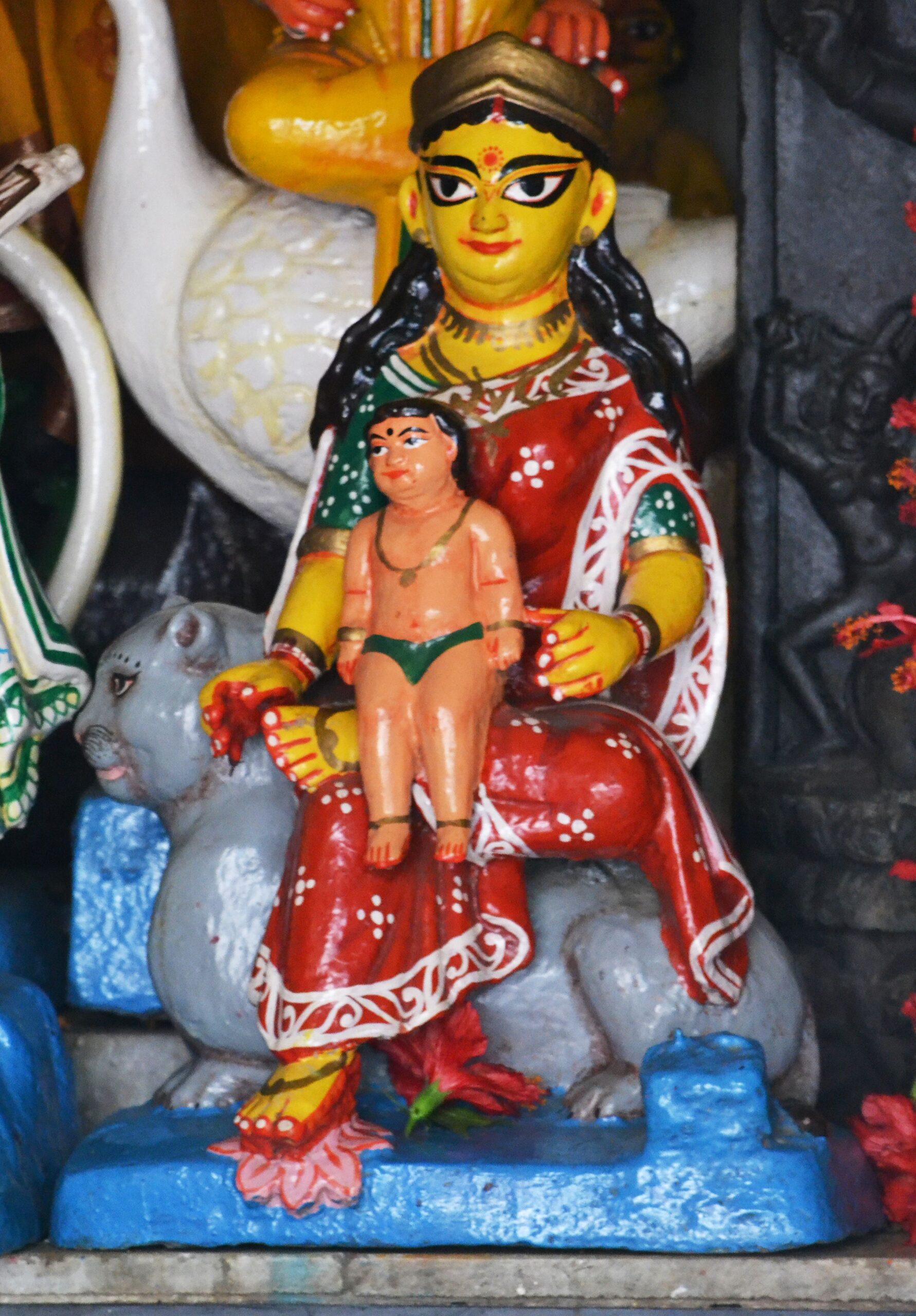
Shashthi is a significant figure in Hindu mythology, revered primarily as the goddess of fertility and the protector of children. She is often depicted as a nurturing mother figure, embodying the qualities of love, care, and protection. Her role is particularly prominent in various regional traditions across India, where she is celebrated for her ability to bestow blessings upon families, especially those wishing to conceive or protect their offspring. In this article, we will delve into the different aspects of Shashthi, exploring her origins, significance, rituals associated with her worship, and the various cultural representations that highlight her importance in Hindu traditions.
Origins of Shashthi
The origins of Shashthi can be traced back to ancient Hindu texts and folklore. She is often associated with the sixth day after the full moon, known as Shashthi Tithi, which is considered auspicious for many religious activities. According to various legends, Shashthi is believed to be the daughter of Lord Shiva and Goddess Parvati. Some stories also suggest that she is an incarnation of Goddess Durga, embodying the protective and nurturing aspects of motherhood. This connection to divine parentage reinforces her role as a protector of children and families, highlighting her importance in Hindu mythology.
 Sâvitrî
In addition to her divine origins, Shashthi’s character is often linked to agricultural practices. As a goddess of fertility, she is believed to bless the land and ensure a bountiful harvest. This connection between Shashthi and agriculture emphasizes the importance of fertility not only in human life but also in the natural world. Many rural communities worship her to ensure good crop yields and to protect their livestock, reflecting the deep intertwining of agricultural practices with religious beliefs in Hindu culture.
Significance of Shashthi
Shashthi holds a special place in the hearts of many Hindus, particularly mothers and families. Her significance is most pronounced during the Shashthi Puja, a ritual dedicated to her, often performed on the sixth day of the waxing moon in the month of Chaitra or Vaishakha. During this festival, devotees offer prayers and perform various rituals to seek her blessings for the health and well-being of their children. This day is marked by elaborate ceremonies, where families come together to celebrate the divine feminine and express gratitude for the blessings received.
Moreover, Shashthi is also recognized for her role in the protection of infants. In many communities, she is worshipped to ensure the safe passage of a child through the critical early stages of life. Many believe that invoking her blessings can help prevent illnesses and safeguard the child from evil influences. This protective aspect of Shashthi reinforces the cultural belief in the power of divine intervention in the lives of individuals, particularly the vulnerable.
 Sati
SatiRituals and Worship
The rituals associated with Shashthi worship are rich and varied, often reflecting local customs and traditions. On the day of Shashthi Puja, devotees typically begin by cleaning their homes and setting up an altar adorned with flowers, fruits, and other offerings. The centerpiece of the altar usually includes an image or idol of Shashthi, symbolizing her divine presence. Devotees light lamps and incense, creating a serene atmosphere conducive to prayer and meditation. The rituals often involve chanting hymns and mantras dedicated to Shashthi, invoking her blessings for fertility and protection.
In some regions, special food offerings are prepared for the goddess. These offerings may include sweets, fruits, and traditional dishes, all presented with love and devotion. After the rituals, families often share these offerings among themselves, reinforcing the communal spirit of the celebration. This act of sharing food is a way of expressing gratitude to Shashthi for her blessings and ensuring her continued protection over the family.
Common Offerings to Shashthi
- Sweets made from rice and jaggery
- Fresh fruits
- Milk and dairy products
- Traditional rice dishes
In addition to the formal rituals, many families have their own unique practices that they incorporate into their worship of Shashthi. For instance, some mothers may tie a protective thread around their children’s wrists, symbolizing their prayers for safety and health. Others may choose to perform a homa (fire ritual) to invoke the goddess’s blessings, believing that the sacred fire carries their prayers to the divine realm. These personal touches in worship reflect the deep emotional connection that devotees have with Shashthi and their desire to seek her favor.
 Sarasvati
Cultural Representations of Shashthi
Shashthi’s influence extends beyond rituals and prayers; she is also celebrated in various forms of art and literature. In many traditional paintings and sculptures, Shashthi is depicted as a beautiful woman adorned with intricate jewelry and a flowing saree, often holding a child in her arms. These artistic representations emphasize her role as a nurturing mother and protector, showcasing the beauty and grace associated with femininity in Hindu culture.
In literature, Shashthi is often mentioned in stories and folklore that highlight her benevolent nature. Many tales revolve around her interventions in the lives of devoted parents, showcasing how her blessings can transform their fortunes. These stories not only serve to inspire devotion but also reinforce the cultural values of family, love, and protection. They remind listeners of the importance of faith and the belief in divine guardianship over one’s life.
Popular Folklore about Shashthi
- The story of a barren couple who prayed to Shashthi and were blessed with a child.
- A tale of Shashthi saving a child from illness through her divine intervention.
- Legends of Shashthi providing protection to pregnant women during childbirth.
Furthermore, Shashthi is celebrated in various regional festivals, which often include vibrant processions, dances, and music. These cultural events serve as a means of bringing communities together, fostering a sense of unity and shared devotion. The celebrations often feature local customs and practices, highlighting the diversity within Hindu traditions while honoring the common reverence for Shashthi.
Regional Variations of Shashthi Worship
While Shashthi is a recognized figure across India, her worship can vary significantly from one region to another. In Bengal, for instance, Shashthi is celebrated with great fervor, particularly during the festival of Shashthi Puja. This celebration often involves elaborate rituals, community gatherings, and cultural performances. Bengali families prepare special dishes and sweets, which are offered to the goddess, emphasizing the importance of food in their devotion.
In southern India, particularly in Tamil Nadu, Shashthi is worshipped under the name of Shashthi Devi. Here, her rituals are often intertwined with local deities and customs, reflecting the rich tapestry of Tamil culture. Devotees may visit temples dedicated to Shashthi Devi, where they participate in elaborate ceremonies, seeking her blessings for their families. The rituals may include offerings of flowers, fruits, and traditional dishes, similar to those seen in other regions.
Regional Festivals Celebrating Shashthi
- Shashthi Puja in Bengal
- Shashthi Devi festival in Tamil Nadu
- Shashthi celebrations in Maharashtra
In Maharashtra, Shashthi is also recognized and celebrated, particularly among communities that emphasize the importance of family and children. The rituals may vary, but the underlying theme of seeking divine blessings for fertility and protection remains consistent. This regional variation in worship highlights how Shashthi’s significance transcends geographical boundaries, uniting devotees in their shared reverence for her divine qualities.
Modern Interpretations of Shashthi
In contemporary society, the worship of Shashthi continues to hold relevance, particularly among young families. Many modern parents turn to her in times of need, seeking her blessings for their children’s health and well-being. The rituals associated with Shashthi are often adapted to fit modern lifestyles, with families incorporating her worship into their daily routines rather than adhering strictly to traditional practices. This evolution in worship reflects the changing dynamics of society while maintaining a strong connection to cultural roots.
Social media has also played a role in modern interpretations of Shashthi worship. Many families share their rituals and celebrations online, creating a sense of community and connection among devotees. This online presence allows for the exchange of ideas and practices, enabling families to learn from one another and adapt their worship in ways that resonate with their personal beliefs and lifestyles. Such adaptations ensure that the essence of Shashthi’s worship remains alive and relevant in today’s fast-paced world.
Modern Practices in Shashthi Worship
- Online prayer groups and virtual pujas
- Sharing rituals and recipes on social media
- Incorporating Shashthi worship into family traditions
Moreover, the increasing awareness of women’s rights and empowerment has led to a renewed interest in the feminine divine, including Shashthi. Many women today find inspiration in her character as a protector and nurturer, embracing her qualities in their own lives. This empowerment through spirituality reflects a broader cultural shift towards recognizing and celebrating the roles of women in society, further solidifying Shashthi’s place in modern Hindu worship.
Shashthi is a vital figure in Hindu mythology, embodying the qualities of fertility, protection, and nurturing. Her worship is deeply ingrained in various cultural practices, rituals, and regional celebrations, reflecting the diverse ways in which devotees connect with her. As society evolves, so too does the worship of Shashthi, ensuring that her significance continues to resonate with new generations. Through the lens of mythology, Shashthi remains a symbol of hope, love, and divine intervention in the lives of families, reminding us of the enduring power of faith and devotion.