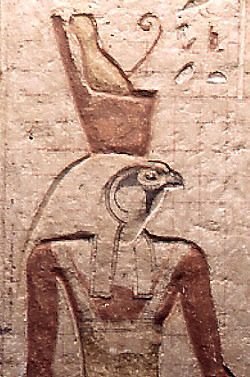
In the rich tapestry of Egyptian mythology, one of the most fascinating deities is Haroeris. This god, often depicted as a falcon-headed figure, is closely associated with the sun and the sky. His name translates to “Horus the Elder,” distinguishing him from the more widely known Horus, who is often referred to as Horus the Younger. Haroeris embodies the ancient Egyptian beliefs surrounding kingship, protection, and the power of the sun. His role in the pantheon is vital, as he represents not just a single aspect of divinity but a complex interweaving of various themes central to ancient Egyptian culture.
The Origins of Haroeris
The origins of Haroeris are deeply rooted in the history of ancient Egypt. He is often considered one of the oldest gods in the Egyptian pantheon. The worship of Haroeris dates back to the early dynastic period, around 3000 BCE. His cult was particularly strong in Horus and Hierakonpolis, two significant sites in early Egyptian civilization. Haroeris is sometimes associated with the Horus who was the protector of the pharaohs, embodying their divine right to rule. This connection is crucial, as it underscores the belief that the pharaohs were not just earthly rulers but also representatives of the gods on Earth.
 Harmakhis
Haroeris is frequently linked to the myth of the Osiris cycle, which tells the story of the death and resurrection of Osiris and the subsequent revenge taken by his son, Horus. In this context, Haroeris is seen as a precursor to Horus, serving as a protective figure who helps to ensure the stability and continuity of the kingdom. His presence in these myths illustrates the importance of the sun and sky in ancient Egyptian cosmology, as well as the belief that the gods actively participated in the affairs of humans.
Symbolism and Attributes
The attributes of Haroeris are rich in symbolism, reflecting his divine nature and the aspects of life he governs. He is often depicted with a falcon head, a symbol of the sky and divine kingship. The falcon is also associated with vision and power, traits that were essential for a deity tasked with protecting the pharaoh and the nation. In many representations, Haroeris is shown wearing the Double Crown of Upper and Lower Egypt, signifying his role as a unifying force for the two lands.
One of the key symbols associated with Haroeris is the Eye of Horus, which represents protection, royal power, and good health. The Eye of Horus is a powerful amulet in ancient Egyptian culture, often used for healing and safeguarding against evil. This connection highlights Haroeris’s role as a protector of the people and the pharaoh. Additionally, he is sometimes depicted holding a scepter or ankh, symbols of power and life, respectively, reinforcing his status as a deity of kingship and protection.
 Har-nedj-itef
Mythological Stories Involving Haroeris
Haroeris plays a significant role in various mythological stories that illustrate his importance in the ancient Egyptian belief system. One of the most prominent myths is the tale of his birth and his relationship with other gods. According to some versions of the myth, Haroeris is born from the union of Isis and Osiris. This lineage not only ties him to the ruling gods of Egypt but also establishes his role as a protector of the pharaohs. His birth is often depicted as a miraculous event, emphasizing the divine nature of kingship and the legitimacy of the pharaohs as gods on Earth.
Another important story involving Haroeris is the battle against Seth, the god of chaos and disorder. This conflict represents the eternal struggle between order and chaos, a central theme in Egyptian mythology. Haroeris, as a symbol of order, fights to protect the realm of the living and maintain balance in the universe. His victories over Seth are celebrated in various rituals and festivals, emphasizing the importance of his protective role in the lives of the ancient Egyptians.
Worship and Cult of Haroeris
The worship of Haroeris was widespread in ancient Egypt, with numerous temples dedicated to him. One of the most significant centers of worship was located in Hierakonpolis, where he was revered as a protector of the city and its people. The rituals associated with his worship often involved offerings and ceremonies aimed at ensuring his favor and protection. Priests played a crucial role in these rituals, acting as intermediaries between the people and the deity. They would perform elaborate ceremonies to honor Haroeris, often invoking his power to bless the pharaoh and the nation.
 Har-pa-khered
Festivals dedicated to Haroeris were also common, with processions and celebrations that included music, dancing, and feasting. These events were not only a way to honor the god but also served to strengthen community ties and reinforce the social order. During these festivals, the pharaoh would often participate, symbolizing the unity between the divine and the earthly realms. The celebration of Haroeris was a vital aspect of maintaining the cultural and religious identity of the ancient Egyptians.
Haroeris in Art and Iconography
Haroeris is a prominent figure in ancient Egyptian art and iconography. His depictions often emphasize his falcon head and regal bearing, which convey his status as a powerful deity. Artists would carefully render his image in various forms, from wall carvings in temples to statues made of stone or wood. These artistic representations were not just for aesthetic purposes; they served as a means of communicating the divine presence of Haroeris in the physical world.
In many artworks, Haroeris is shown in a dynamic pose, often in the act of protecting the pharaoh or delivering justice. The use of vibrant colors and intricate details in these depictions reflects the reverence and importance of Haroeris in ancient Egyptian culture. Additionally, the iconography associated with him often includes symbols of power and protection, such as the ankh and the scepter, reinforcing his role as a guardian of the people.
The Legacy of Haroeris
The legacy of Haroeris continues to influence modern understanding of ancient Egyptian mythology and culture. His role as a protector and symbol of divine kingship has inspired countless interpretations and representations in contemporary art and literature. Scholars and enthusiasts of mythology often explore his significance within the broader context of Egyptian beliefs, examining how his character embodies essential themes of order, protection, and the divine right to rule.
Furthermore, the stories and attributes associated with Haroeris provide valuable insights into the values and beliefs of ancient Egyptians. His connection to the pharaohs highlights the importance of divine legitimacy in rulership, a concept that resonates throughout history. The enduring fascination with Haroeris and his mythos serves as a testament to the rich cultural heritage of ancient Egypt, reminding us of the profound impact that these ancient beliefs continue to have on our understanding of the past.
Haroeris stands as a vital figure in Egyptian mythology, representing a complex blend of themes related to kingship, protection, and the divine. His rich history, symbolism, and the worship practices surrounding him reveal the deep connections between the ancient Egyptians and their gods. The stories and representations of Haroeris not only enrich our understanding of ancient Egyptian culture but also highlight the timeless human quest for meaning, protection, and the divine in our lives.