
Ixpiyacoc is a significant figure in Maya mythology, representing the intricate relationship between creation and the natural world. Known as one of the primordial deities, Ixpiyacoc embodies the essence of life and the fundamental forces that govern existence. This deity is often associated with the sky, fertility, and the cycles of nature. The stories surrounding Ixpiyacoc are deeply rooted in the cultural practices of the Maya people, reflecting their understanding of the universe and their place within it.
The Role of Ixpiyacoc in Creation
In the Maya creation myth, Ixpiyacoc plays a crucial role as a creator god. He is often depicted as one of the first beings who emerged from the void at the beginning of time. Alongside his counterpart, Ixpiyacoc is responsible for bringing forth the world and all living things. The mythology describes how he shaped the earth, the mountains, and the rivers, establishing the natural order that governs the universe. This creation story is a testament to the Maya’s profound respect for nature and their belief in the interconnectedness of all life.
 Ix Tub Tun
Ixpiyacoc’s actions during the creation process highlight the importance of balance and harmony in the world. The Maya believed that every element of nature was intertwined, and Ixpiyacoc’s role was to ensure that these elements functioned together in a cohesive manner. This idea of balance is central to Maya cosmology, reflecting their understanding of the cyclical nature of life, death, and rebirth. As a creator, Ixpiyacoc symbolizes the potential for growth and regeneration, embodying the spirit of renewal that permeates the natural world.
Key Aspects of Ixpiyacoc’s Character
- Fertility: Ixpiyacoc is often associated with fertility, not just in the sense of human reproduction but also in relation to the earth’s ability to produce crops and sustain life.
- Wisdom: As a creator deity, Ixpiyacoc possesses immense wisdom, understanding the intricacies of life and the universe.
- Connection to Nature: Ixpiyacoc’s existence is deeply tied to the natural world, emphasizing the importance of respecting and nurturing the environment.
The stories of Ixpiyacoc also emphasize his role as a wise and benevolent deity. He is often portrayed as a figure who guides humanity, teaching them the ways of the earth and the importance of living in harmony with nature. This aspect of his character reflects the Maya’s reverence for their surroundings and their understanding of the delicate balance required to maintain a healthy ecosystem. The teachings attributed to Ixpiyacoc often include lessons about agriculture, sustainability, and the importance of community.
Ixpiyacoc and the Agricultural Cycle
A significant aspect of Ixpiyacoc’s mythology is his connection to agriculture, which was vital to the survival of the Maya civilization. The stories tell of how Ixpiyacoc provided the necessary elements for crops to grow, ensuring that the people had enough food to sustain themselves. This relationship between Ixpiyacoc and agriculture highlights the deity’s role as a life-giver and protector of the harvest. The Maya believed that by honoring Ixpiyacoc through rituals and offerings, they could ensure a bountiful harvest.
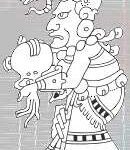 Ixchup
During the planting season, the Maya would perform ceremonies to invoke Ixpiyacoc’s blessings, asking for favorable weather and fertile soil. These rituals were not only acts of devotion but also practical measures to ensure the success of their crops. The agricultural calendar was deeply intertwined with Ixpiyacoc’s mythology, as different stages of the planting and harvesting processes were linked to specific stories and teachings about the deity. This connection illustrates the importance of spirituality in everyday life for the Maya people.
Rituals and Offerings
- Planting Ceremonies: Special rituals performed at the beginning of the planting season to invoke Ixpiyacoc’s blessings.
- Harvest Festivals: Celebrations held at the end of the harvest season to give thanks to Ixpiyacoc for the bounty received.
- Offerings: Various offerings, including food, flowers, and incense, were made to honor Ixpiyacoc and seek his favor.
The rituals dedicated to Ixpiyacoc were often elaborate and involved the entire community. These ceremonies served not only to honor the deity but also to strengthen social bonds among the people. The communal aspect of these rituals highlights the importance of collaboration and shared responsibility in agriculture, a core value of the Maya society. Through these practices, the Maya cultivated a deep sense of gratitude and respect for the forces of nature that sustained them.
Ixpiyacoc in Maya Literature
Ixpiyacoc’s presence is also felt in various Maya literary works, where he is often mentioned in relation to creation and the natural world. These texts, including the Popol Vuh, are essential for understanding the rich tapestry of Maya mythology. In the Popol Vuh, Ixpiyacoc is referenced as a creator who participated in the formation of humanity, showcasing the belief that humans are a product of divine will and intention. This narrative reinforces the idea that humans are interconnected with the cosmos and have a responsibility to uphold the balance of nature.
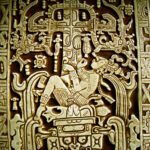 Zac Cimi
The literary references to Ixpiyacoc often explore themes of creation, destruction, and renewal. They emphasize the cyclical nature of existence, illustrating how life is a continuous process of growth and transformation. Through these stories, the Maya conveyed their understanding of the world and their place within it, highlighting the significance of Ixpiyacoc as a guiding force in their lives. The narratives surrounding Ixpiyacoc serve as a reminder of the profound wisdom embedded in their mythology, which continues to resonate with contemporary audiences.
Influence on Modern Maya Culture
- Continuity of Traditions: Many modern Maya communities still honor Ixpiyacoc through rituals and agricultural practices.
- Symbol of Resilience: Ixpiyacoc represents the enduring connection between the Maya people and their cultural heritage.
- Educational Role: The stories of Ixpiyacoc are used to teach younger generations about their history and values.
The influence of Ixpiyacoc extends beyond ancient times into modern Maya culture. Many contemporary Maya communities continue to celebrate rituals and traditions that honor this deity, showcasing the continuity of their cultural practices. Ixpiyacoc serves as a symbol of resilience, representing the strength and endurance of the Maya people throughout history. By preserving these traditions, they maintain a vital connection to their ancestors and the natural world.
The Symbolism of Ixpiyacoc
The symbolism associated with Ixpiyacoc is rich and multifaceted. He is often depicted with elements that represent fertility, life, and the earth. For example, corn, a staple crop in Maya society, is frequently associated with Ixpiyacoc, symbolizing sustenance and nourishment. This connection underscores the importance of agriculture in Maya life and the belief that Ixpiyacoc provides for the people. The imagery surrounding Ixpiyacoc often reflects the cycles of nature, emphasizing the idea that life is a continuous process of growth and renewal.
Additionally, Ixpiyacoc embodies the duality of creation and destruction. While he is a creator god, the myths also acknowledge that the forces of nature can be both nurturing and destructive. This duality is a fundamental aspect of the Maya worldview, which recognizes the balance between opposing forces. By understanding Ixpiyacoc in this way, the Maya people could navigate the complexities of life, embracing both the joys and challenges that come with existence.
Artistic Representations
- Carvings and Reliefs: Ixpiyacoc is often depicted in ancient Maya art, showcasing his significance in their culture.
- Pottery and Ceramics: Artistic representations of Ixpiyacoc can be found on pottery, illustrating his connection to daily life.
- Textiles: Traditional textiles often incorporate symbols associated with Ixpiyacoc, highlighting his enduring presence in Maya culture.
Artistic representations of Ixpiyacoc are prevalent in various forms of ancient Maya art, including carvings, reliefs, and pottery. These depictions not only serve as a testament to his significance in their mythology but also reflect the artistry and creativity of the Maya people. Each representation captures the essence of Ixpiyacoc, illustrating his connection to nature and the cycles of life. Furthermore, these artistic expressions continue to inspire contemporary Maya artisans, who incorporate symbols of Ixpiyacoc into their work, ensuring that the legacy of this deity lives on.
Ixpiyacoc in Contemporary Maya Society
In contemporary Maya society, the legacy of Ixpiyacoc remains strong. Many Maya communities continue to celebrate traditional practices that honor this deity, reinforcing their cultural identity and connection to their ancestors. The rituals and ceremonies associated with Ixpiyacoc are often integrated into community events, fostering a sense of unity and shared purpose among the people. These practices serve as a reminder of the importance of agriculture, nature, and the spiritual beliefs that have shaped Maya culture for centuries.
Moreover, the stories of Ixpiyacoc are often passed down through generations, serving as a valuable educational tool for younger Maya individuals. By sharing these narratives, elders impart essential lessons about the environment, community, and the interconnectedness of all living things. This transmission of knowledge is vital for preserving the cultural heritage of the Maya people and ensuring that future generations continue to honor their traditions.
Challenges and Resilience
- Environmental Issues: Modern challenges such as climate change and deforestation threaten traditional agricultural practices.
- Cultural Preservation: Efforts are being made to preserve the stories and rituals associated with Ixpiyacoc amidst globalization.
- Community Initiatives: Many Maya communities are working together to find sustainable solutions to environmental challenges.
Despite the challenges faced by contemporary Maya society, the legacy of Ixpiyacoc continues to inspire resilience and adaptability. Environmental issues such as climate change and deforestation pose significant threats to traditional agricultural practices, making it essential for the Maya people to find sustainable solutions. Many communities are coming together to address these challenges, drawing on the teachings of Ixpiyacoc and the importance of living in harmony with nature. Through collective efforts, they aim to preserve their cultural heritage while adapting to the changing world around them.
The Legacy of Ixpiyacoc
The legacy of Ixpiyacoc is not only a reflection of ancient beliefs but also a source of inspiration for contemporary Maya society. As a creator deity, Ixpiyacoc embodies the values of community, sustainability, and respect for nature. His stories and teachings continue to resonate with the Maya people, reminding them of their deep connection to the earth and the importance of nurturing their environment. The ongoing reverence for Ixpiyacoc serves as a testament to the enduring power of mythology in shaping cultural identity and values.
Furthermore, the figure of Ixpiyacoc represents the resilience of the Maya people in the face of adversity. Despite the challenges brought by modernization and environmental changes, the stories and rituals associated with Ixpiyacoc provide a framework for understanding and navigating these complexities. The continued celebration of Ixpiyacoc in contemporary society highlights the importance of preserving cultural traditions and the wisdom they offer for future generations.
Future Generations
- Education: Educating young Maya individuals about their heritage and the significance of Ixpiyacoc is crucial for cultural preservation.
- Community Engagement: Involving youth in rituals and traditions fosters a sense of belonging and identity.
- Innovation: Combining traditional knowledge with modern practices can lead to sustainable solutions for contemporary challenges.
As future generations of Maya people continue to learn about Ixpiyacoc and the rich tapestry of their mythology, they carry forward the teachings and values that have shaped their culture for centuries. Education plays a vital role in this process, ensuring that young individuals understand the significance of their heritage and the importance of honoring their ancestors. By engaging youth in community rituals and traditions, they foster a sense of belonging and identity that is essential for cultural continuity.
Moreover, the integration of traditional knowledge with modern practices presents an opportunity for innovation. By finding ways to adapt ancient wisdom to contemporary challenges, the Maya people can create sustainable solutions that honor their past while addressing the needs of the present. This dynamic interplay between tradition and modernity exemplifies the enduring legacy of Ixpiyacoc and the vital role he plays in the lives of the Maya people.