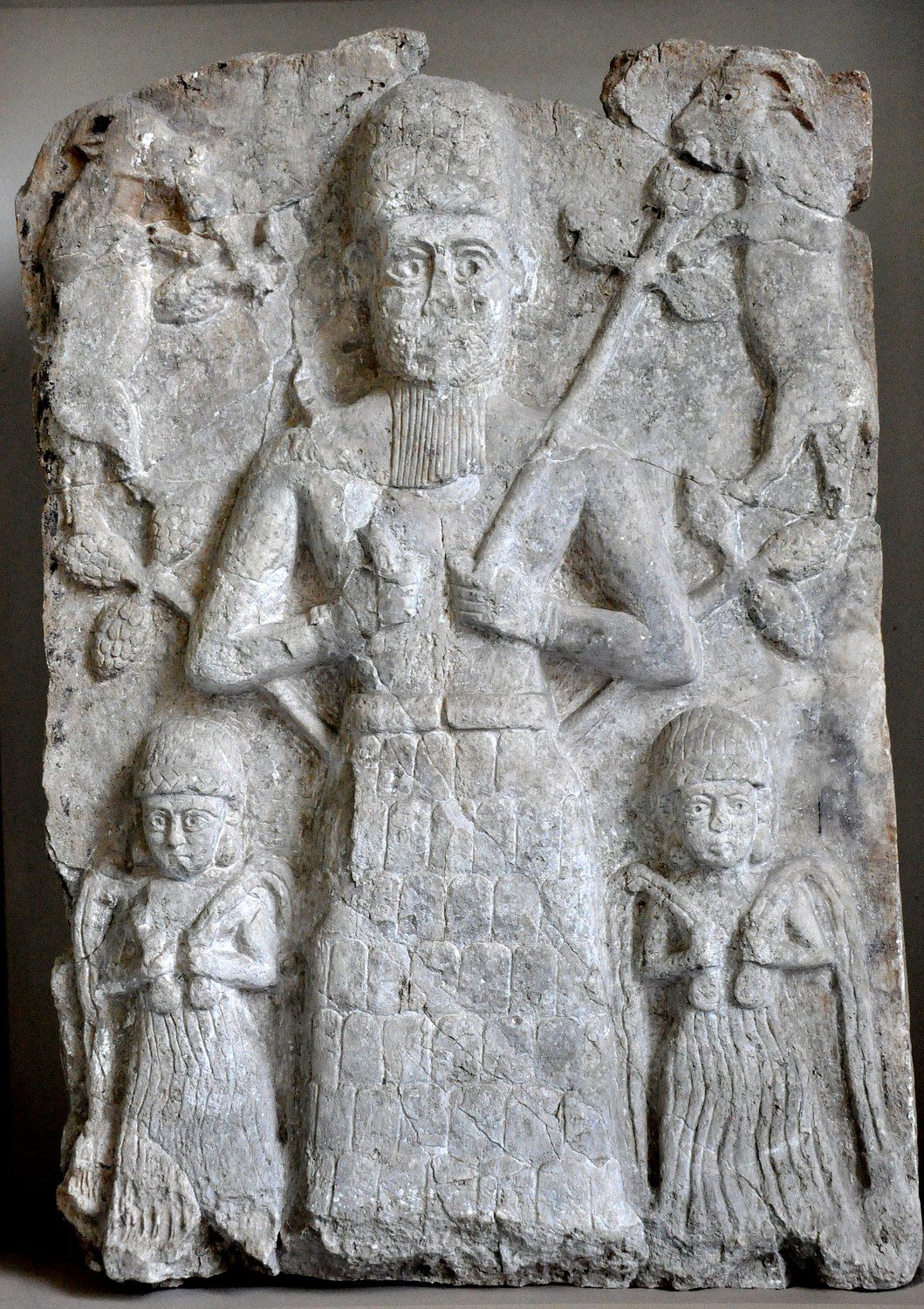
In the rich tapestry of Mesopotamian mythology, one figure that stands out is Shutu. Shutu is often associated with the concept of the sun and light, playing a significant role in the ancient stories and beliefs of the Mesopotamian people. As a deity, Shutu embodies various attributes that reflect the culture and values of the civilizations that thrived in this region. The ancient peoples of Mesopotamia, including the Sumerians, Akkadians, Babylonians, and Assyrians, all contributed to the development of this mythology, and Shutu is a vital part of that narrative. In this article, we will explore the origins, attributes, and significance of Shutu within the context of Mesopotamian beliefs.
Origins of Shutu
The origins of Shutu can be traced back to the early civilizations of Mesopotamia, where the sun was revered as a vital source of life and energy. The Sumerians, one of the earliest known civilizations, worshiped various deities associated with natural elements, and Shutu was one of those gods. He was often depicted as a radiant figure, symbolizing the power of the sun. In Sumerian texts, Shutu is sometimes mentioned alongside other sun deities, highlighting his importance in the pantheon. The Akkadians later adopted these beliefs, further embedding Shutu into the cultural fabric of Mesopotamia.
 Shamash
As the mythology evolved, Shutu began to be identified with specific attributes and responsibilities. He was seen as a protector of the people, ensuring their safety and well-being. This protective nature is a common theme in many Mesopotamian deities, as the ancient people sought to understand and control the forces of nature that surrounded them. The narratives surrounding Shutu reflect the reverence that the Mesopotamians held for the sun and its life-giving properties.
Attributes of Shutu
Shutu possesses several distinct attributes that define his character in Mesopotamian mythology. One of the most prominent traits is his association with light and warmth. The sun is often seen as a symbol of vitality, and Shutu embodies this energy, bringing life to the land and its inhabitants. He is frequently depicted as a figure of strength and radiance, illuminating the darkness and providing guidance to those who seek it. This connection to light emphasizes his role as a source of inspiration and hope for the ancient peoples.
Another important attribute of Shutu is his role as a guardian. In many myths, he is portrayed as a protector of cities and their inhabitants. The Mesopotamians believed that invoking Shutu’s name could help ward off evil spirits and ensure safety during times of danger. This aspect of Shutu’s character highlights the deep-seated belief in the need for divine protection in a world filled with uncertainty and chaos.
 Pazuzu
Symbolism of Shutu
- Sunlight: Shutu is often associated with the warmth and illumination provided by the sun.
- Protection: He serves as a guardian, shielding people from harm.
- Guidance: As a bringer of light, Shutu offers direction and clarity.
The symbolism of Shutu extends beyond mere representation. The sun’s daily journey across the sky was a powerful metaphor for the cycle of life, death, and rebirth. Shutu’s presence in the myths served to reinforce the idea that light triumphs over darkness, reflecting the eternal struggle between good and evil. This duality is a common theme in many mythologies, and Shutu’s role as a solar deity encapsulates this profound belief.
Shutu in Mesopotamian Texts
Shutu appears in various ancient texts that offer insights into the beliefs and practices of Mesopotamian cultures. These texts often include hymns, prayers, and myths that highlight the significance of Shutu in the daily lives of the people. For example, some hymns dedicated to Shutu express gratitude for his light and protection, emphasizing the deep connection between the deity and the agricultural cycles that depended on the sun’s warmth.
In addition to hymns, Shutu is also mentioned in creation myths, where his role is integral to the establishment of order in the universe. These stories often illustrate the battle between chaos and order, with Shutu serving as a force of light that dispels darkness. This narrative framework mirrors the experiences of the Mesopotamian people, who faced various challenges in their environment and sought to understand their place within the cosmos.
 Nusku
NuskuKey Texts Featuring Shutu
- The Enuma Elish: A creation myth that describes the formation of the world and the role of various deities, including Shutu.
- The Epic of Gilgamesh: While primarily focused on the hero’s journey, this epic touches on themes of divine intervention and the importance of light.
- Hymns to the Sun God: Collections of prayers that express devotion to Shutu and acknowledge his protective qualities.
These texts not only provide a glimpse into the character of Shutu but also reveal the broader context of Mesopotamian spirituality. The worship of deities like Shutu was integral to the cultural identity of the people, influencing their rituals, art, and societal structures. The reverence for the sun and its deities is evident in the way they constructed their temples and conducted their ceremonies.
Shutu’s Influence on Mesopotamian Culture
The influence of Shutu extends beyond religious texts and practices; it permeated various aspects of Mesopotamian culture. Art and architecture often featured motifs associated with the sun, reflecting the deity’s significance. Temples dedicated to sun gods were common, serving as centers for worship and community gatherings. The design of these temples often included open spaces that allowed sunlight to flood the interior, symbolizing the presence of the divine.
Additionally, the agricultural practices of the Mesopotamians were closely tied to the cycles of the sun. Farmers relied on sunlight for their crops to flourish, and they often offered prayers and sacrifices to Shutu in hopes of a bountiful harvest. Festivals celebrating the sun and its life-giving properties were integral to the agricultural calendar, showcasing the deep connection between Shutu and the sustenance of life.
Shutu in Art and Architecture
- Sun Temples: Structures built to honor Shutu and other sun deities, often adorned with symbols of light.
- Sun Motifs: Artworks featuring sun imagery, reflecting the cultural importance of Shutu.
- Festivals: Celebrations that honored Shutu, often coinciding with the agricultural cycle.
The cultural manifestations of Shutu’s influence illustrate the ways in which mythology shaped the daily lives of the Mesopotamians. The sun was not merely a celestial body; it was a divine presence that required acknowledgment and respect. This relationship with the sun was reflected in their social practices, artistic expressions, and even their understanding of time.
Modern Interpretations of Shutu
In contemporary times, the figure of Shutu continues to captivate scholars, historians, and enthusiasts of mythology. Modern interpretations often seek to understand the relevance of ancient beliefs in today’s context. The themes associated with Shutu—light, protection, and guidance—resonate with many people who find meaning in the symbolism of the sun. These interpretations can lead to a deeper appreciation for the wisdom embedded in ancient mythologies and their relevance in the modern world.
Moreover, Shutu’s legacy can be seen in various cultural expressions, including literature, art, and even popular media. The archetype of the sun god has been reimagined in numerous ways, often embodying qualities of strength and resilience. This adaptation of Shutu’s character speaks to the timeless nature of myth and its ability to transcend cultural boundaries, providing insights into the human experience.
Contemporary Relevance
- Symbol of Hope: Shutu’s association with light serves as a reminder of hope in challenging times.
- Archetype in Literature: Modern narratives often draw upon the sun god archetype, reflecting Shutu’s enduring influence.
- Spiritual Practices: Some contemporary spiritual movements incorporate sun worship, echoing ancient practices.
As we delve into the modern interpretations of Shutu, we find that the ancient deity’s significance extends beyond historical study. His embodiment of light and protection continues to inspire individuals and communities, fostering a sense of connection to the natural world. This enduring legacy is a testament to the power of mythology in shaping cultural identity and human understanding.
Shutu remains a vital figure in the rich mythology of Mesopotamia, representing the sun’s life-giving properties and the protective qualities associated with light. His origins, attributes, and cultural significance reflect the values and beliefs of the ancient peoples who revered him. Through various texts, artistic representations, and modern interpretations, Shutu’s legacy continues to inspire and resonate with those who seek to understand the profound connection between humanity and the divine. In the exploration of Mesopotamian mythology, Shutu stands as a testament to the enduring power of myth and its ability to illuminate the human experience.