
Nusku is a fascinating figure in Mesopotamian mythology, known primarily as the god of fire and light. His role in the pantheon is significant, especially in the context of the ancient civilizations that flourished in Mesopotamia, such as the Sumerians, Akkadians, Babylonians, and Assyrians. Nusku is often depicted as a deity who embodies the vital forces of light, serving as a bridge between the divine and mortal realms. The worship of Nusku reflects the ancient Mesopotamians’ understanding of the natural world and their desire to harness the powers of fire and illumination for various purposes.
The Role of Nusku in Mesopotamian Beliefs
In the rich tapestry of Mesopotamian religion, Nusku held a unique position. He was not only a god of fire but also associated with the illumination that fire brings. This duality made him a vital deity for both daily life and ritual practices. The ancient Mesopotamians relied heavily on fire for cooking, heating, and religious ceremonies, which made Nusku essential in their daily existence. His presence was invoked in various contexts, particularly when lighting fires for sacrifices or rituals, highlighting the importance of his divine oversight.
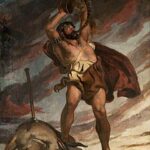 Ninurta
Nusku was often regarded as a helper to other gods, especially in their battles against chaos and darkness. He was seen as a guiding light that could lead both gods and humans through dark times. This aspect of Nusku reflects a broader theme in Mesopotamian mythology, where gods often worked together to maintain order in the universe. His role as a supportive deity emphasizes the interconnectedness of the divine hierarchy, where each god had specific functions that contributed to the overall balance of the cosmos.
Mythological Stories Involving Nusku
One of the most notable myths involving Nusku is his participation in the epic battles between the gods and various chaotic forces. In these stories, Nusku often acts as a source of light and guidance for the other deities. For example, during the conflict between the god Marduk and the primordial chaos monster Tiamat, Nusku’s light was crucial in helping Marduk navigate through the darkness of chaos. This illustrates how Nusku’s illumination was not only physical but also symbolic, representing knowledge, wisdom, and clarity in times of confusion.
Additionally, Nusku was sometimes associated with the creation of the world. In certain versions of Mesopotamian creation myths, his light is seen as a catalyst for bringing order to the chaos that existed before creation. This aspect of his mythology reinforces the idea that light, as represented by Nusku, is essential for life and creation. It underscores the belief that without light, there can be no growth or development, making Nusku a critical figure in the understanding of life itself.
 Ninsun
Nusku’s Worship and Rituals
The worship of Nusku involved various rituals that emphasized the significance of fire and light in Mesopotamian culture. Temples dedicated to Nusku were often built in prominent locations, where worshippers could easily access them. In these temples, priests would perform ceremonies that included lighting sacred fires and making offerings to the god. The act of lighting a fire was seen as a way to invite Nusku’s presence and favor, allowing worshippers to connect with the divine. These rituals were essential not only for individual worshippers but also for the community as a whole.
One common ritual involved the lighting of lamps or torches, symbolizing Nusku’s illuminating power. This practice was particularly important during festivals and special occasions, where the presence of light was believed to drive away darkness and evil spirits. During these ceremonies, hymns and prayers were recited to honor Nusku, asking for his blessings in various aspects of life, such as health, prosperity, and protection from harm. The communal aspect of these rituals reinforced the idea that Nusku was a deity who cared for the well-being of all.
Nusku in Art and Iconography
Nusku’s presence in Mesopotamian art and iconography is also significant. He is often depicted as a figure surrounded by flames or holding a torch, symbolizing his connection to fire and light. These representations can be found on cylinder seals, pottery, and temple reliefs, showcasing the importance of Nusku in the daily lives of the ancient Mesopotamians. Artists used vibrant colors and intricate designs to convey the power and majesty of this deity, making him an important subject in their works.
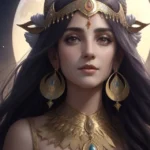 Ninlil
In some artistic depictions, Nusku is shown alongside other deities, emphasizing his role as a supportive figure in the divine hierarchy. This iconography not only served a religious purpose but also acted as a means of storytelling, conveying the myths and beliefs surrounding Nusku to those who viewed the art. The visual representation of Nusku helped to solidify his importance in the minds of the people, ensuring that his legacy endured through generations.
The Legacy of Nusku in Later Cultures
The influence of Nusku extended beyond the boundaries of ancient Mesopotamia. As cultures evolved and interacted, elements of Nusku’s mythology found their way into the beliefs of neighboring civilizations. For instance, the concept of fire as a purifying force can be seen in various cultures, reflecting the enduring legacy of Nusku’s association with light and illumination. The reverence for fire as a divine element is a theme that resonates across different cultures, illustrating the universal significance of this element in human life.
Moreover, Nusku’s role as a guiding light can be seen echoed in later religious traditions. Many cultures have adopted the symbolism of light as a representation of knowledge, hope, and divine guidance. This thematic continuity highlights how ancient beliefs can transcend time and geography, influencing the development of spiritual concepts in later societies. The enduring nature of Nusku’s mythology is a testament to the power of storytelling and the ways in which ancient peoples sought to understand the world around them.
Nusku’s significance in Mesopotamian mythology extends beyond mere worship; he embodies the essential elements of fire and light that are vital for life and civilization. His stories, rituals, and artistic representations illustrate the deep connection between the ancient Mesopotamians and their environment. As a deity who navigates the realms of chaos and order, Nusku remains a powerful symbol of illumination, guidance, and the eternal struggle against darkness.