
In Hindu mythology, Gauri is a significant goddess who embodies purity, fertility, and devotion. She is often considered a form of Parvati, the consort of Lord Shiva, and represents the feminine aspect of divinity. Gauri is revered for her beauty, grace, and strength, making her a central figure in various Hindu rituals and festivals. The name “Gauri” itself means “the fair one,” highlighting her radiant appearance. This article explores the many facets of Gauri, her stories, symbolism, and the festivals celebrated in her honor.
Origins and Birth of Gauri
The origins of Gauri can be traced back to ancient texts and scriptures in Hindu mythology. She is often depicted as the daughter of the mountain king Himalaya and queen Mena. According to various legends, Gauri was born out of the Himalayan mountains, representing the connection between nature and divinity. Her birth was marked by extraordinary events, as she was destined to become the wife of Lord Shiva. This connection is essential in understanding her role in the cosmic balance of the universe.
 Garuda
In some versions of the myth, Gauri was born as a result of the penance performed by the goddess Durga. Her unwavering devotion and dedication to Lord Shiva caught his attention, leading to her transformation into Gauri. This narrative emphasizes the importance of devotion and self-sacrifice in Hindu beliefs, portraying Gauri as a symbol of love and commitment. The tales surrounding her birth highlight the divine qualities that she embodies and the significant role she plays in the lives of her devotees.
Gauri’s Symbolism
Gauri is rich in symbolism, representing various aspects of life and spirituality. One of her primary symbols is purity, often depicted wearing a white or yellow garment, which signifies her pristine nature. This purity is not just physical but also spiritual, emphasizing the importance of inner beauty and virtue in one’s life. Gauri’s image is often associated with the moon, reflecting her calm and soothing presence in the chaotic world.
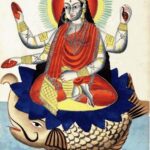 Ganga
GangaAnother important symbol of Gauri is fertility. As a goddess, she is often invoked by couples seeking to conceive, as she is believed to bless them with children. Her nurturing aspect is evident in her depictions as a mother figure, providing care and love to her devotees. This connection to fertility also extends to the agricultural aspect, where she is worshipped to ensure bountiful harvests, signifying her role in sustaining life.
Gauri in Religious Texts
The significance of Gauri is well-documented in various religious texts, including the Puranas and the Mahabharata. These texts describe her attributes, stories, and the rituals performed in her honor. One of the most notable mentions of Gauri is in the Shiva Purana, where her relationship with Lord Shiva is detailed. Their union is celebrated as a divine love story that symbolizes the harmony between masculine and feminine energies.
Additionally, the Devi Bhagavata Purana elaborates on Gauri’s qualities, portraying her as a source of strength and wisdom. The text describes her as a protector of the universe, fighting against evil forces and ensuring the well-being of her devotees. This portrayal reinforces her role as a powerful goddess who embodies both gentleness and strength, making her a multifaceted figure in Hindu mythology.
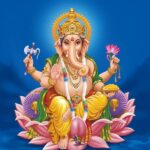 Ganesha
Festivals Celebrated in Honor of Gauri
Gauri is celebrated in various festivals across India, each highlighting her significance in different cultural contexts. One of the most popular festivals is Gauri Puja, celebrated predominantly in Maharashtra and parts of Karnataka. This festival is dedicated to Gauri and typically takes place during the Ganesh Chaturthi festival, where Gauri is worshipped alongside her son, Lord Ganesha. Devotees create beautiful idols of Gauri and offer prayers, sweets, and flowers, seeking her blessings for prosperity and happiness.
Another important festival is Navratri, which celebrates the nine forms of the goddess Durga, including Gauri. Each night of the festival is dedicated to a different form of the goddess, and Gauri is often worshipped for her nurturing and loving qualities. The festival involves fasting, dancing, and singing devotional songs, creating a vibrant atmosphere of devotion and celebration.
Gauri’s Depictions in Art and Culture
Gauri is a prominent figure in Indian art and culture, often depicted in various forms of paintings, sculptures, and dance. Artists portray her with intricate details, emphasizing her beauty and grace. In many traditional paintings, Gauri is shown adorned with jewelry, flowers, and surrounded by symbols of nature, such as animals and plants. These artistic representations not only celebrate her physical beauty but also convey her deep connection to the natural world.
In the realm of dance, Gauri is often represented in classical Indian dance forms like Bharatanatyam and Kathak. Dancers depict her stories and attributes through expressive movements and gestures, bringing her character to life on stage. These performances serve as a medium to convey her teachings and the values she embodies, making her an integral part of India’s cultural heritage.
The Relationship Between Gauri and Shiva
The relationship between Gauri and Lord Shiva is one of the most celebrated love stories in Hindu mythology. Their union symbolizes the balance of masculine and feminine energies in the universe. Gauri’s love for Shiva is unwavering, and her devotion is a central theme in their stories. One famous tale narrates how Gauri performed intense penance to win Shiva’s heart, showcasing the power of love and determination.
This relationship also highlights the theme of transformation. Gauri, in her quest to unite with Shiva, undergoes various forms and trials, emphasizing the idea that love can lead to personal growth and enlightenment. Their bond is often depicted as a perfect harmony, where both deities complement each other, embodying the ideals of love, respect, and understanding. This narrative serves as an inspiration for devotees, encouraging them to seek balance in their relationships.
Modern Relevance of Gauri
In contemporary society, Gauri continues to hold relevance for many people. Her qualities of purity, devotion, and strength resonate with modern values, making her an important figure for inspiration. Many women look up to Gauri as a symbol of empowerment, drawing strength from her stories and attributes. She represents the idea that one can be both nurturing and strong, encouraging individuals to embrace their multifaceted identities.
Moreover, Gauri’s association with fertility and motherhood makes her a focal point for discussions around women’s health and family life. Many people invoke her blessings during significant life events, such as weddings and childbirth, seeking her guidance and support. This ongoing reverence for Gauri reflects the enduring impact of Hindu mythology on contemporary life, as her teachings continue to inspire and guide individuals in their personal journeys.
Gauri’s presence in Hindu mythology is profound and multifaceted. As a goddess representing purity, fertility, and devotion, she embodies essential qualities that resonate with people across generations. Her stories, rituals, and artistic representations reflect the rich tapestry of Hindu culture, making her a beloved figure among devotees. Through festivals and prayers, Gauri continues to inspire individuals to seek balance, love, and strength in their lives.