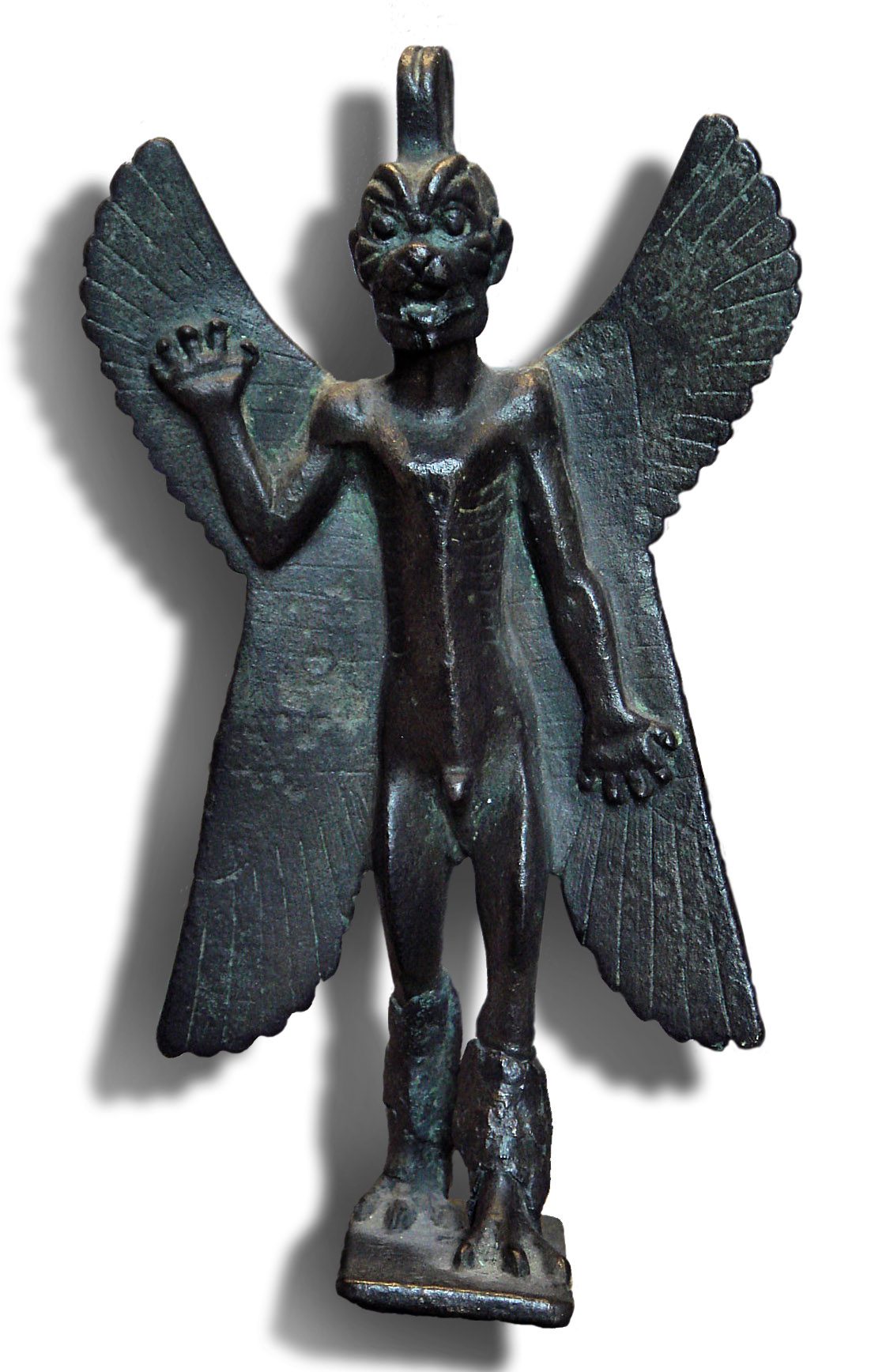
Pazuzu is a significant figure in Mesopotamian mythology, particularly recognized as the king of the demons of the wind. He is often depicted as a terrifying creature, combining various animal features, including a canine head, a human body, and bird-like feet. The dual nature of Pazuzu embodies both destruction and protection. He was believed to have the power to drive away other malevolent spirits, particularly those associated with disease and misfortune. This duality makes him a fascinating subject of study within the rich tapestry of ancient Mesopotamian beliefs.
The Origins of Pazuzu
The origins of Pazuzu can be traced back to ancient Mesopotamia, where he was worshipped primarily by the Assyrians and Babylonians. His name is derived from the Akkadian language, which was spoken in the region. The earliest known references to Pazuzu appear in cuneiform inscriptions dating back to the first millennium BCE. These texts often describe him as a fierce demon who could control the winds and bring storms. However, he was not solely a figure of terror; he was also invoked for protection against other evil spirits.
 Nusku
NuskuIn ancient texts, Pazuzu is often depicted as a guardian figure. Many families would keep amulets or talismans bearing his image to ward off illness and misfortune. This protective aspect is vital to understanding Pazuzu’s role in Mesopotamian society. The paradox of a demon serving as a protector highlights the complex nature of ancient beliefs, where good and evil were often intertwined. People believed that invoking Pazuzu could help them combat more malevolent forces, such as the demoness Lamashtu, who was known for harming pregnant women and infants.
Pazuzu’s Iconography
Pazuzu’s physical representation is striking and memorable. He is typically portrayed with a mix of human and animal characteristics. His head resembles that of a dog, often depicted with large, pointed ears and a snarling mouth. His body is human-like but is usually shown in a muscular form, symbolizing strength. One of the most distinctive features is his bird-like feet, which further emphasize his connection to the winds. This unique combination of traits makes Pazuzu one of the more recognizable figures in Mesopotamian art.
In many artistic depictions, Pazuzu is shown holding various objects that signify his power. He often carries a snake in one hand and a lion-headed staff in the other. The snake represents his ability to ward off evil, while the staff symbolizes his authority over the winds. These symbols play a crucial role in understanding his significance within the mythological framework. The imagery associated with Pazuzu not only reflects his character but also serves as a reminder of the beliefs and fears of the people who worshipped him.
 Ninurta
Pazuzu in Literature and Texts
Pazuzu appears in several ancient texts, most notably in the Enuma Elish and other creation myths. In these stories, he is often depicted as a chaotic force, representing the unpredictable nature of the winds. The Enuma Elish, which is the Babylonian creation epic, details the struggles between gods and chaotic forces, where Pazuzu plays a role in maintaining balance. His presence in these texts highlights the belief that even the most fearsome beings can have a role in the divine order of the universe.
Another important text featuring Pazuzu is the Epic of Gilgamesh, one of the oldest known works of literature. While Pazuzu does not play a central role in this epic, references to him illustrate the interconnectedness of various deities and spirits in Mesopotamian culture. The text captures the essence of ancient beliefs, showcasing how different figures interacted within a complex mythological landscape. Pazuzu’s mentions in such revered literature solidify his status as an essential figure in Mesopotamian mythology.
Pazuzu and Exorcism
Pazuzu’s role extended beyond mythology into the realm of exorcism and healing rituals. Due to his protective nature, he was often invoked during rituals aimed at driving away evil spirits and illnesses. In many cases, priests would call upon Pazuzu to combat the influence of malevolent entities like Lamashtu, who was believed to cause harm to mothers and children. This practice demonstrates the belief in the duality of spirits in Mesopotamian culture, where even demons could be called upon for assistance.
 Ninsun
Amulets and talismans featuring Pazuzu were commonly used in healing practices. These objects served as a physical representation of the protective qualities attributed to him. The belief was that by possessing an image of Pazuzu, individuals could safeguard themselves and their families from harm. This practice reveals the deep-seated fears and beliefs surrounding health and safety in ancient Mesopotamian society. It also underscores the importance of Pazuzu as a figure of both fear and reverence.
The Legacy of Pazuzu
The legacy of Pazuzu extends beyond ancient Mesopotamia, influencing various cultures and modern interpretations. His image has made its way into contemporary media, particularly in horror films and literature. The most notable example is the film The Exorcist, where Pazuzu is depicted as a malevolent force possessing a young girl. This portrayal has contributed to a resurgence of interest in Pazuzu and Mesopotamian mythology, showcasing how ancient beliefs can resonate with modern audiences.
Moreover, the fascination with Pazuzu has led to academic studies exploring his significance within the broader context of ancient Near Eastern religions. Scholars have examined the ways in which Pazuzu’s protective qualities reflect the fears and concerns of the people who worshipped him. This academic interest highlights the enduring impact of Mesopotamian mythology on our understanding of human culture and belief systems.
Pazuzu in Popular Culture
Pazuzu’s influence on popular culture cannot be understated. His image has appeared in various forms of media, from movies to video games, often as a symbol of evil or chaos. The film The Exorcist is perhaps the most famous example, where Pazuzu is depicted as a powerful demon that embodies fear and malevolence. This portrayal has cemented his status in the horror genre, making him a recognizable figure even among those unfamiliar with Mesopotamian mythology.
In addition to film, Pazuzu has appeared in video games, comic books, and other forms of entertainment. His character is often adapted to fit the narrative needs of modern storytelling, sometimes straying from the original depictions in ancient texts. However, these adaptations often retain the core elements of his character, emphasizing his dual nature as both a protector and a harbinger of chaos. This adaptability speaks to the timelessness of Pazuzu’s image and the enduring fascination with ancient mythologies.
The Study of Pazuzu
The study of Pazuzu and his significance in Mesopotamian mythology has become an area of interest for scholars and enthusiasts alike. Researchers delve into ancient texts, artifacts, and art to uncover the beliefs surrounding this complex figure. By examining how Pazuzu was perceived in different contexts, scholars gain insights into the societal values and fears of ancient Mesopotamian cultures. This exploration is crucial for understanding the broader framework of ancient religious practices and mythologies.
Moreover, the interdisciplinary nature of this study involves archaeology, anthropology, and religious studies. Each discipline offers a unique perspective on Pazuzu, contributing to a more comprehensive understanding of his role in ancient society. As new discoveries are made, the narrative surrounding Pazuzu continues to evolve, revealing new facets of his character and the beliefs that shaped his worship. This ongoing research highlights the importance of ancient mythologies in shaping human understanding of the world.
Pazuzu is a multifaceted figure in Mesopotamian mythology, embodying the complexities of ancient beliefs. His role as both a protector and a source of chaos reflects the intricate relationship between good and evil in ancient cultures. Through art, literature, and modern adaptations, Pazuzu’s legacy endures, inviting further exploration and understanding of Mesopotamian mythology and its impact on contemporary culture.