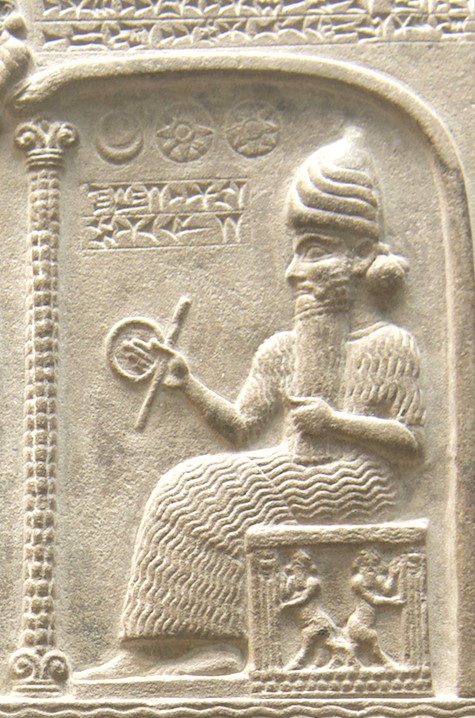
In Mesopotamian mythology, Shamash holds a significant place as the god of the sun and justice. He is often depicted as a powerful figure who brings light to the world and provides guidance to humanity. Shamash is associated with various aspects of life, including truth, law, and morality. The sun’s warmth and light symbolize his role in sustaining life and promoting justice. As a central figure in the pantheon of gods worshipped in ancient Mesopotamia, Shamash was revered by many cultures, including the Sumerians, Akkadians, Babylonians, and Assyrians. His influence extended beyond just the realm of mythology; he played a crucial role in the daily lives of the people.
Origins of Shamash
The origins of Shamash can be traced back to the early days of Mesopotamian civilization. He is often linked to the ancient Sumerian god Utu, who was also associated with the sun. Over time, as cultures evolved and merged, Shamash became the Akkadian name for this sun deity. The transition from Utu to Shamash reflects the changing religious beliefs and practices in Mesopotamia. Shamash was worshipped in various forms, each representing different aspects of his divine nature. This adaptability made him a beloved figure among the people.
 Pazuzu
In the Sumerian pantheon, Utu was not only a sun god but also a god of justice and law. As cultures intermingled, Shamash inherited these attributes, becoming a symbol of fairness and righteousness. He was believed to oversee the moral conduct of individuals and ensure that justice was served. This connection to justice was particularly important in a society where laws were paramount for maintaining order. Shamash’s role as a divine arbiter made him a crucial figure in the lives of those who sought justice.
Shamash in Mythology
Shamash appears in various myths and legends, showcasing his importance in Mesopotamian culture. One of the most notable stories involving Shamash is the epic of Gilgamesh, where he plays a pivotal role in guiding the hero. In this epic, Shamash provides Gilgamesh with wisdom and strength, helping him on his quest for immortality. This relationship highlights Shamash’s role as a protector and guide, reinforcing the idea that he is not just a distant deity but one who is actively involved in human affairs.
Another important myth featuring Shamash is the story of the creation of the world. According to some accounts, Shamash was instrumental in bringing light to the earth, dispelling the darkness that once enveloped it. This act of illumination symbolizes knowledge, enlightenment, and the dispelling of ignorance. By bringing light, Shamash also brought clarity and understanding, qualities that are essential for justice and moral conduct.
 Nusku
NuskuShamash and Other Deities
Shamash is often depicted alongside other major deities in the Mesopotamian pantheon. His relationship with these gods provides insight into the interconnectedness of their roles. Some of the notable deities associated with Shamash include:
- Sin – the moon god, often considered Shamash’s counterpart.
- Ishtar – the goddess of love and war, who shares a complex relationship with Shamash.
- Enlil – the god of air and authority, who plays a significant role in the governance of the cosmos.
The dynamic between Shamash and these deities illustrates the balance of light and dark, justice and chaos, that characterized Mesopotamian belief systems. Shamash’s relationship with Sin, the moon god, is particularly interesting, as it represents the duality of day and night. While Shamash brought light and justice during the day, Sin ruled the night, reminding people of the importance of both light and darkness in the natural order.
Worship and Temples
 Ninurta
The worship of Shamash was widespread in ancient Mesopotamia, with numerous temples dedicated to him. One of the most famous temples was located in the city of Larsa, where Shamash was particularly revered. This temple served as a center for worship and justice, where people would come to seek divine guidance and resolution of disputes. The temple complex was not only a place of worship but also a hub for legal matters, reflecting Shamash’s role as the god of justice.
In addition to Larsa, Shamash was worshipped in various other cities, including Babylon and Assur. Each city had its own customs and rituals associated with Shamash, but the core themes of justice, truth, and illumination remained consistent. Offerings to Shamash often included food, incense, and symbolic items that represented light and justice. These offerings were made to seek his favor and ensure that justice prevailed in their lives.
Rituals and Festivals
Rituals and festivals dedicated to Shamash played a crucial role in the religious life of the Mesopotamians. These events often included processions, prayers, and offerings. One of the most significant festivals was the New Year Festival, during which the people would celebrate the renewal of life and the return of light. Shamash was invoked during these celebrations, emphasizing his importance in the cycle of life and the changing seasons.
- Prayers for justice and truth were recited during the rituals.
- Offerings were made to ensure a bountiful harvest and prosperity.
- People would seek Shamash’s guidance in personal matters and community disputes.
The New Year Festival not only celebrated Shamash but also reinforced the social and moral fabric of society. It served as a reminder for individuals to act justly and uphold the values that Shamash embodied. The participation of the community in these rituals highlighted the collective responsibility to maintain order and fairness.
Shamash in Art and Literature
Shamash’s influence extended beyond religious practices into the realms of art and literature. He was a popular subject in various artistic representations, including sculptures, reliefs, and cylinder seals. These artworks often depicted Shamash with rays of light emanating from his shoulders, symbolizing his role as the bringer of light and justice. His imagery was powerful, conveying both strength and benevolence, which resonated with the people.
In literature, Shamash appears in various texts, including hymns and prayers. These literary works often praise his attributes, celebrating his role as a protector of the weak and a champion of justice. The Epic of Gilgamesh is one of the most notable examples where Shamash is invoked for guidance and support. The presence of Shamash in these texts underscores his importance not only as a deity but also as a moral compass for the people.
Symbolism of Shamash
Shamash is rich in symbolism, with various elements representing his attributes. The most prominent symbol associated with him is the sun itself. The sun represents life, warmth, and clarity, all of which are integral to Shamash’s character. Additionally, Shamash is often depicted holding a staff or a ring, which signifies authority and the power to dispense justice. These symbols serve to reinforce his role as a divine judge who upholds truth and righteousness.
- The sun represents enlightenment and the dispelling of ignorance.
- The staff symbolizes authority and the enforcement of laws.
- The ring signifies the unbreakable nature of justice and truth.
Through these symbols, Shamash embodies the ideals of justice and moral integrity, reminding the people of the importance of living a life guided by truth. His imagery and symbolism continue to resonate, serving as a reminder of the enduring values that were central to Mesopotamian society.
Legacy of Shamash
The legacy of Shamash extends beyond ancient Mesopotamia, influencing later cultures and religious beliefs. As the worship of Shamash spread, his attributes were often integrated into the pantheons of neighboring civilizations. For example, in the ancient Near East, Shamash’s role as a solar deity influenced the development of sun gods in other cultures. His emphasis on justice and morality also found resonance in the legal systems of later societies, where the principles he embodied were adopted and adapted.
In modern times, Shamash’s legacy can be seen in various cultural references, including literature, art, and popular media. The themes of justice and truth that Shamash represented continue to be relevant today. His story serves as a reminder of the importance of upholding moral values and seeking justice in our lives. The enduring nature of his legacy speaks to the timelessness of the ideals he embodied, making Shamash a significant figure in the history of mythology.
Modern Interpretations
Today, Shamash is often studied by scholars and enthusiasts of mythology. His character is analyzed in the context of ancient Mesopotamian beliefs, shedding light on the values and practices of that civilization. Modern interpretations of Shamash also explore his significance in the broader context of sun deities across cultures. By comparing Shamash to similar figures in other mythologies, such as Ra in Egyptian mythology or Helios in Greek mythology, scholars can better understand the universal themes of light, justice, and moral order.
- Shamash’s role as a solar deity parallels other sun gods in different cultures.
- His association with justice resonates with modern legal and ethical discussions.
- Shamash’s influence can be seen in literature and art throughout history.
These modern interpretations highlight the relevance of Shamash in contemporary discussions about justice, morality, and the human experience. As society continues to grapple with issues of fairness and truth, the ideals embodied by Shamash remain significant and inspiring.
Shamash’s enduring presence in the annals of mythology showcases the rich tapestry of Mesopotamian beliefs. His role as the god of the sun and justice not only influenced the lives of ancient people but continues to inspire discussions about morality and ethics today. Through his stories, rituals, and symbolism, Shamash remains a powerful figure representing the quest for truth and the pursuit of justice.