
In the realm of Egyptian mythology, the deity known as Set holds a significant and multifaceted role. Often recognized as the god of chaos, storms, and the desert, Set is a complex figure whose stories and characteristics have evolved over millennia. His image is frequently associated with disorder and conflict, yet he also embodies strength and protection. Set is depicted with a unique animal head, often referred to as the Set animal, which has a long snout and pointed ears, symbolizing his otherworldly nature. This article delves deep into the essence of Set, exploring his origins, attributes, relationships, and the broader implications of his worship in ancient Egyptian society.
Origins of Set
The origins of Set can be traced back to the early periods of ancient Egyptian history. He is one of the oldest deities, appearing in texts from the Old Kingdom period, around 2686 to 2181 BCE. Set was originally considered a protector of the pharaohs and a guardian of the desert. His role was not always negative; in fact, he was revered for his strength and ability to ward off chaos. As time progressed, however, his image began to shift, and he became associated more with disorder and violence.
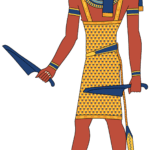 Sesmu
SesmuSet’s mythology is deeply intertwined with the creation myth of ancient Egypt. According to some legends, he was born from the union of the sky goddess Nut and the earth god Geb. This lineage positioned him among the powerful gods of the Egyptian pantheon. Set’s early worship was particularly prominent in regions like Upper Egypt, where he was celebrated in various rituals and festivals. His significance can also be observed in the city of Ombos, where he was worshipped as a primary deity.
Attributes of Set
Set is characterized by several attributes that highlight his dual nature. He is often depicted as a figure of strength and power, embodying the forces of chaos that can disrupt the natural order. His association with storms and the desert symbolizes both the destructive and creative aspects of nature. While he is seen as a god of chaos, he also represents the necessary struggle against the forces of disorder. This duality makes him a compelling figure in Egyptian mythology.
In art, Set is usually shown with a distinctive animal head, known as the Set animal. This creature is often interpreted as a composite of various animals, including a jackal and a donkey, which reinforces his unique and alien nature. Set’s skin is typically colored red, symbolizing the desert and chaos, while his attire often includes a feathered crown or a double crown, indicating his status among the gods. His weapon of choice is the spear, which he wields in battles against his enemies, especially against the serpent god Apep, who represents chaos and destruction.
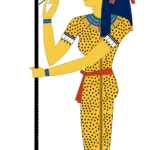 Seshat
Set’s Relationships
Set’s relationships with other gods and goddesses are complex and often tumultuous. One of his most notable relationships is with his brother Osiris, the god of the afterlife. In a famous myth, Set becomes envious of Osiris’s power and popularity. This jealousy culminates in Set murdering Osiris, dismembering his body, and scattering the pieces across Egypt. This act of betrayal marks Set as a figure of chaos and conflict, positioning him as an antagonist in many myths.
The repercussions of Set’s actions lead to a long-standing conflict with his brother’s wife, Isis, who embodies motherhood and magic. Isis’s quest to revive Osiris and seek vengeance against Set establishes a narrative of good versus evil. Set’s relationship with his sister, Nephthys, is also notable; she is often depicted as a supportive figure who aids in the resurrection of Osiris. Their dynamic reflects the complexities of family ties in mythology, where love, jealousy, and betrayal intertwine.
Worship and Cult of Set
The worship of Set was prevalent in ancient Egypt, especially during certain periods when his protective aspects were emphasized. Temples dedicated to Set, such as the one in Ombos, served as centers for his worship. Rituals and festivals often celebrated his strength and power, particularly in times of conflict or when the nation faced external threats. The ancient Egyptians believed that invoking Set could provide them with the courage and resilience needed to overcome challenges.
 Sopdu
SopduDespite his later association with chaos and evil, Set maintained a following among certain groups, particularly in the Hyksos period when foreign rulers embraced him as a protective deity. The Hyksos, who invaded Egypt around 1650 BCE, identified with Set due to his martial attributes and his representation of strength. They built temples and dedicated offerings to him, further entrenching his significance in the religious landscape of ancient Egypt.
Set in Literature and Art
Set’s presence in Egyptian literature and art is profound and multifaceted. He appears in various texts, including the Pyramid Texts and the Book of the Dead, where his role as an antagonist is often emphasized. In these texts, Set is frequently depicted as a figure to be overcome, representing the struggles of the soul against chaos in the afterlife. His narrative serves as a reminder of the eternal battle between order and disorder.
In art, Set is represented in various forms, often in scenes depicting his battles with other deities, such as Horus. The famous Contendings of Horus and Set is a significant mythological narrative that illustrates their ongoing conflict for the throne of Egypt. This story is depicted in numerous reliefs and artifacts, showcasing the artistic interpretations of Set as both a powerful warrior and a chaotic force. The contrasting representations of Set alongside other gods highlight the intricate relationships and struggles within the divine realm.
Symbolism of Set
The symbolism of Set extends beyond mere representation in mythology; it reflects the broader themes of balance and duality in ancient Egyptian beliefs. Set embodies the concept of chaos, but this chaos is essential for the existence of order. His presence in the pantheon serves as a reminder that conflict and struggle are inherent parts of life and the cosmos. This duality is echoed in the cyclical nature of the Nile’s flooding, which brings both destruction and fertility to the land.
Additionally, Set’s role as a protector of the pharaohs signifies his importance in maintaining ma’at, the ancient Egyptian concept of order, balance, and truth. Even though he is often viewed as a chaotic force, his attributes were necessary for the stability of the kingdom. The pharaohs would invoke Set’s power in times of war, believing that his strength could lead them to victory. This multifaceted symbolism underscores the complexity of Set’s character and his place in the Egyptian pantheon.
Modern Interpretations of Set
In contemporary times, Set has been reinterpreted in various ways, particularly in literature, film, and popular culture. His character often embodies themes of rebellion, individuality, and the struggle against conformity. Many modern interpretations seek to humanize Set, exploring the motivations behind his actions and the complexities of his relationships with other deities. This shift reflects a broader trend in modern storytelling that seeks to present characters with moral ambiguity rather than clear-cut definitions of good and evil.
In literature, Set has been depicted in novels and stories that explore ancient Egyptian mythology, often as a tragic figure caught in a web of familial conflict. These narratives delve into his motivations and feelings, presenting him as a misunderstood character rather than a mere antagonist. Similarly, in film and television, Set’s character has been reimagined in various ways, from villainous portrayals to more nuanced interpretations that highlight his strength and complexity.
Set in Popular Culture
The influence of Set can also be seen in popular culture, where elements of Egyptian mythology are often incorporated into various forms of entertainment. Video games, movies, and comic books frequently draw upon Set’s character, utilizing his attributes and stories to create engaging narratives. For instance, in the video game series Assassin’s Creed, Set appears as a symbol of chaos and conflict, representing the struggles faced by the characters in their quests.
Moreover, Set’s unique imagery has inspired artists and designers in various fields, leading to a resurgence of interest in ancient Egyptian themes. His distinctive animal head and association with storms have been creatively adapted into fashion, art, and design, showcasing the lasting impact of his mythology. This fusion of ancient and modern elements reflects the enduring legacy of Set and his place in the cultural consciousness.
Conclusion of Set’s Influence
The influence of Set in ancient Egyptian mythology is profound and multifaceted. His role as a god of chaos, storms, and the desert presents a complex character that embodies the duality of existence. From his tumultuous relationships with other deities to his worship in ancient temples, Set remains a compelling figure in the study of Egyptian mythology. His legacy continues to resonate in modern interpretations and popular culture, showcasing the enduring fascination with this ancient god. Through the exploration of Set, we gain insights into the rich tapestry of beliefs and narratives that shaped ancient Egyptian society.