
In the rich tapestry of Baltic mythology, one of the most fascinating figures is Perkuns, a deity revered primarily among the Lithuanian and Latvian people. Perkuns is often associated with thunder, lightning, and storms, making him a powerful symbol of nature’s might. His character embodies both the destructive and creative forces of the universe, showcasing the duality present in many mythological narratives. Understanding Perkuns not only provides insight into ancient Baltic beliefs but also highlights the cultural significance of natural phenomena in shaping human experiences.
The Nature of Perkuns
Perkuns is often depicted as a robust figure wielding a mighty axe or hammer, which he uses to strike down evil and bring balance to the world. His physical attributes are typically characterized by strength and vigor, symbolizing the ferocity of thunderstorms. In many legends, he is described as a protector of humanity, intervening in times of crisis to safeguard the innocent. This protective aspect of Perkuns resonates deeply with the agricultural communities of the Baltic region, where the health of crops often depended on favorable weather conditions.
 Patollo
Moreover, Perkuns is frequently linked with the oak tree, a symbol of strength and endurance. The oak is considered sacred, and rituals involving this tree often invoke his name. People believed that the presence of an oak tree could ward off evil spirits, and it served as a natural sanctuary for worship. The relationship between Perkuns and the oak tree underscores the deep connection between the divine and the natural world, emphasizing how ancient peoples sought to understand and honor the forces around them.
The Mythological Context of Perkuns
In the broader context of Baltic mythology, Perkuns is part of a pantheon that includes various deities and spirits, each with distinct roles and attributes. Among these figures, Perkuns often stands in contrast to Velnias, the god of the underworld and mischief. While Perkuns represents order and light, Velnias embodies chaos and darkness. This dichotomy reflects the fundamental struggle between good and evil, a theme prevalent in many mythologies worldwide.
The myths surrounding Perkuns often involve epic battles against these darker forces, showcasing his role as a champion of righteousness. For example, in one tale, Perkuns confronts Velnias to protect the earth from a devastating drought caused by the latter’s mischief. Such narratives serve to reinforce societal values, illustrating the importance of courage, justice, and the need for harmony in the natural world. The stories of Perkuns are not merely entertainment; they are moral lessons woven into the fabric of Baltic culture.
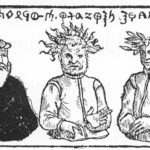 Patrimpas
Perkuns in Rituals and Worship
The worship of Perkuns was integral to the spiritual lives of the Baltic people. Rituals dedicated to him often took place during significant agricultural festivals, particularly those celebrating the harvest. These ceremonies included offerings of food, drink, and sometimes even livestock, all intended to curry favor with the god and ensure a bountiful yield. The act of making offerings was seen as a way to establish a connection with the divine, demonstrating respect and gratitude for the blessings received.
- Offerings of bread and honey were common during rituals.
- People would light bonfires to honor Perkuns, symbolizing the purifying power of fire.
- Festivals often included music and dance, creating a festive atmosphere that celebrated life and fertility.
In addition to agricultural rituals, Perkuns was also invoked during storms. People believed that by calling upon him, they could protect their homes and livestock from the destructive forces of nature. This practice illustrates the human desire to exert control over the unpredictable elements of life. It reflects a deep-seated understanding of the relationship between humans and nature, where reverence and fear coexist.
Symbolism and Representation of Perkuns
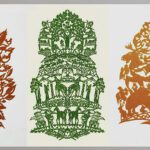 Autrimpas
Perkuns is rich in symbolism, embodying various aspects of life and nature. As a god of thunder and storms, he represents the power and ferocity of nature. His thunderous voice is often interpreted as a warning or a sign of impending change. This connection to thunder also links him to fertility and growth, as storms are essential for nourishing the earth. In many cultures, thunder gods are seen as bringers of rain, which is crucial for agricultural societies.
Additionally, Perkuns is sometimes depicted with animals, particularly the eagle and the bear. The eagle, a symbol of strength and freedom, represents the divine connection between the heavens and the earth. Meanwhile, the bear embodies power and courage, reinforcing Perkuns’ attributes as a protector. These animals further enhance the image of Perkuns as a formidable deity, emphasizing his role in maintaining balance in the natural world.
Perkuns in Folklore and Literature
The stories of Perkuns have been passed down through generations, often taking on new forms in folklore and literature. These tales serve not only as entertainment but also as a means of preserving cultural identity and history. Many folktales featuring Perkuns highlight his bravery and strength, depicting him as a hero who overcomes challenges to protect his people. These narratives resonate with audiences, reinforcing the values of courage, loyalty, and justice.
In contemporary literature, Perkuns continues to be a source of inspiration for authors exploring themes of nature and mythology. His character often embodies the struggle between humanity and the forces of nature, reflecting modern concerns about environmental issues. By revisiting ancient myths, writers can draw parallels between past beliefs and present-day challenges, showcasing the enduring relevance of figures like Perkuns in understanding our relationship with the world around us.
The Legacy of Perkuns
Even in modern times, the legacy of Perkuns endures within the cultural practices and beliefs of the Baltic people. While the fervent worship of ancient deities has waned, many of the traditions associated with Perkuns remain alive. Festivals celebrating nature and the changing seasons often incorporate elements inspired by his mythology, serving as a reminder of the importance of respecting and honoring the environment.
Additionally, Perkuns has become a symbol of national identity for the Baltic states, representing strength and resilience in the face of adversity. His image is sometimes invoked in discussions about environmental conservation, highlighting the need to protect the natural world that he embodies. This connection between mythology and contemporary issues illustrates how ancient beliefs can inform and inspire modern values, creating a bridge between past and present.
Comparative Mythology: Perkuns and Other Thunder Gods
When examining Perkuns within the broader framework of comparative mythology, it is intriguing to note the similarities and differences between him and other thunder gods from various cultures. For instance, in Norse mythology, the god Thor shares many attributes with Perkuns, including his association with storms and his role as a protector of humanity. Both deities wield powerful weapons and are celebrated for their bravery in battle against chaotic forces.
Similarly, in Slavic mythology, the god Perun serves as a parallel figure to Perkuns. Both deities are linked to thunder and lightning, embodying the duality of destruction and creation. However, the cultural contexts in which these gods exist shape their narratives and significance. While Perkuns is deeply tied to agricultural cycles and the natural world, Thor’s mythology often emphasizes heroic feats and personal valor.
Perkuns in Modern Culture
The influence of Perkuns can also be seen in modern culture, where his legacy has been adapted and reinterpreted in various forms of art and media. From literature to visual arts, the imagery associated with Perkuns continues to captivate the imagination of contemporary audiences. Artists often draw upon the themes of nature, strength, and the divine in their works, reflecting the timeless appeal of this ancient deity.
In addition, festivals celebrating Baltic culture frequently feature elements inspired by Perkuns, reinforcing his role as a symbol of unity and heritage. These events provide an opportunity for communities to come together, honoring their shared history while also fostering a sense of belonging. The enduring presence of Perkuns in these cultural expressions highlights the importance of mythology in shaping collective identity and preserving traditions.
The Study of Perkuns in Academia
The academic study of Perkuns and Baltic mythology has gained traction in recent years, with scholars exploring the significance of these ancient beliefs in contemporary contexts. Researchers delve into the historical, cultural, and linguistic aspects of Baltic mythology, seeking to understand how figures like Perkuns have influenced societal norms and values. This interdisciplinary approach enriches our understanding of the past and its relevance to the present.
Furthermore, the preservation of oral traditions surrounding Perkuns is of particular interest to linguists and anthropologists. By documenting these stories and their variations, scholars contribute to the safeguarding of cultural heritage. This work not only honors the legacy of Perkuns but also ensures that future generations can access and appreciate the richness of Baltic mythology.
In exploring the multifaceted character of Perkuns, we gain insight into the beliefs and values of the Baltic peoples. As a symbol of nature’s power and a protector of humanity, Perkuns embodies the duality of existence, reminding us of the delicate balance between destruction and creation. His enduring legacy continues to inspire and resonate with individuals, reinforcing the importance of mythology in understanding our world.