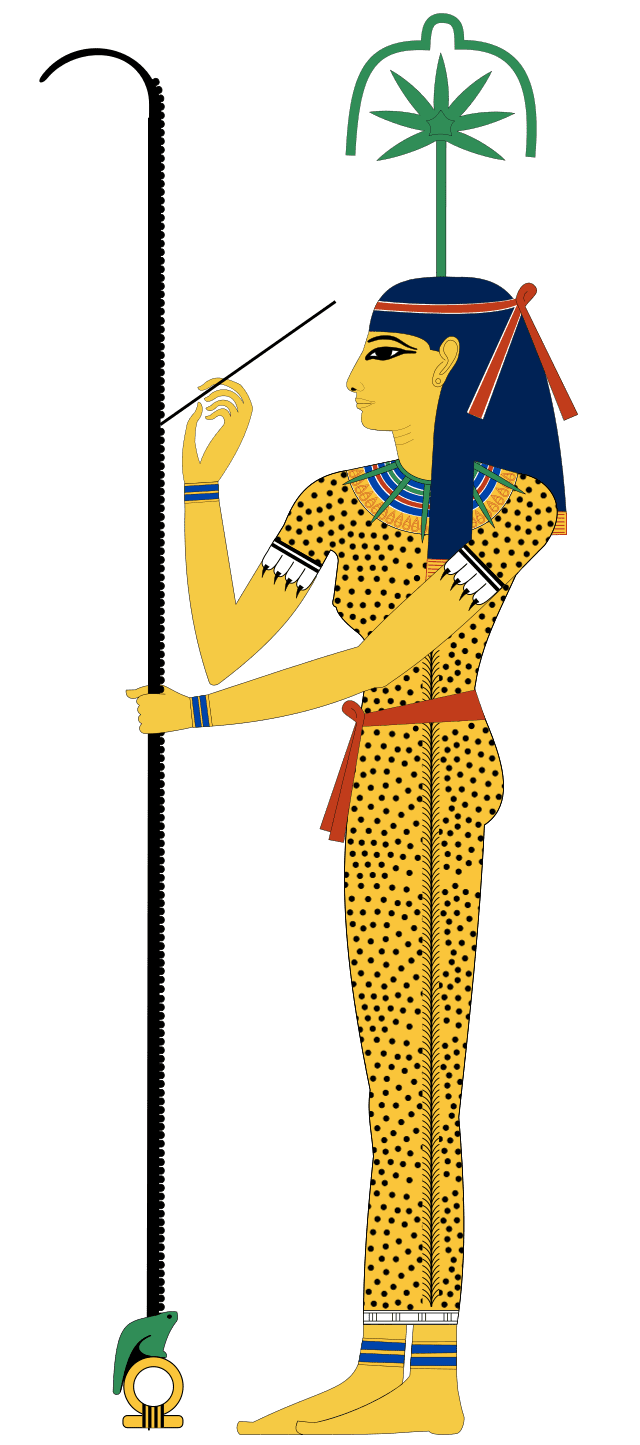
Seshat is a significant figure in Egyptian mythology, revered as the goddess of wisdom, knowledge, and writing. She is often depicted as a woman wearing a star crown and holding a stylus and a palette, symbols of her association with writing and record-keeping. Seshat’s role extended beyond mere literacy; she was also linked to the concept of time, architecture, and the measurement of space. In ancient Egypt, she was considered the keeper of records and the guardian of knowledge, making her a vital deity in the pantheon of gods and goddesses. The reverence for Seshat illustrates the importance of writing and knowledge in Egyptian culture, where scribes held a prestigious position in society.
The Origins of Seshat
The origins of Seshat can be traced back to the early periods of ancient Egyptian history. She was initially associated with the goddess Hathor and was sometimes considered a manifestation of her. Over time, Seshat emerged as a distinct deity, embodying the qualities of wisdom and writing. Her name, which translates to “she who scrivens,” emphasizes her role as a scribe and record-keeper. The ancient Egyptians placed great importance on the written word, and Seshat’s existence reflected this cultural value. She was not only a goddess of writing but also a protector of the knowledge contained within the texts.
 Sopdu
SopduSeshat’s significance in Egyptian mythology grew as the civilization developed more complex administrative systems. The need for accurate record-keeping became paramount, especially in matters related to agriculture, taxation, and construction projects. As a result, Seshat was often depicted in the company of other deities, such as Thoth, the god of writing and knowledge. Together, they represented the dual aspects of knowledge—Seshat focusing on the practical aspects of writing and record-keeping, while Thoth embodied the philosophical and mystical elements of knowledge.
Seshat’s Iconography
Seshat is easily recognizable due to her distinctive iconography. She is typically portrayed as a woman with a star on her head, symbolizing her celestial nature. The star often appears within a crescent moon, linking her to lunar themes. In her hands, she carries a stylus and a palette, tools essential for writing. The stylus represents the act of writing, while the palette signifies the importance of the written word in recording history and knowledge. Her clothing is usually depicted as a simple dress, often adorned with intricate patterns that reflect her divine status.
Another significant aspect of Seshat’s imagery is her association with architecture. In some depictions, she is shown holding a measuring tool, which symbolizes her role in overseeing the construction of temples and other important structures. This aspect of her character highlights the connection between knowledge, writing, and the physical manifestation of culture through architecture. Seshat was believed to assist pharaohs and architects in their endeavors, ensuring that buildings were constructed according to divine principles.
 Sepa
SepaThe Role of Seshat in Egyptian Society
Seshat played a crucial role in the functioning of ancient Egyptian society. As the goddess of wisdom and writing, she was revered by scribes, who held an esteemed position within the social hierarchy. Scribes were responsible for recording important events, transactions, and legal matters, making them essential to the administration of the state. Seshat was often invoked by these individuals for guidance and inspiration in their work. They believed that by honoring her, they could achieve accuracy and success in their records.
In addition to her connection with scribes, Seshat was also linked to the royal family. Pharaohs would often call upon her during significant ceremonies, such as the Hed-Sed festival, which celebrated the king’s reign and renewal. During these events, Seshat was believed to record the achievements of the pharaoh, ensuring that their legacy would be remembered for generations. This connection between Seshat and the pharaoh underscores her importance in maintaining the continuity of the state and its history.
Seshat and the Concept of Time
One of the lesser-known aspects of Seshat is her association with the concept of time. In ancient Egyptian cosmology, time was not merely a linear progression but a cyclical phenomenon, intertwined with the cycles of nature and the divine. Seshat was seen as a keeper of time, responsible for recording the passing of years and significant events. This role made her an essential figure in the calendar system of ancient Egypt, where she helped to establish the timing of agricultural activities, religious festivals, and royal ceremonies.
 Serket
The goddess was often depicted alongside the hieroglyph for “year,” reinforcing her connection to the measurement of time. Seshat’s ability to record the past allowed the ancient Egyptians to honor their ancestors and maintain a sense of continuity within their culture. By recognizing the importance of time and its cyclical nature, Seshat contributed to the understanding of history as a vital aspect of Egyptian identity.
Seshat in Temples and Worship
Seshat was honored in various temples throughout ancient Egypt, where she was worshipped as a goddess of wisdom and knowledge. One of the most notable temples dedicated to her was located in Hierakonpolis, an important religious and administrative center. Within these temples, rituals and offerings were made to Seshat to ensure her favor and guidance. Worshippers would often leave inscriptions and prayers, asking for her assistance in matters related to writing, knowledge, and record-keeping.
The rituals performed in Seshat’s temples were often elaborate and included offerings of food, incense, and other valuable items. These acts of devotion reflected the high regard in which she was held by the ancient Egyptians. Additionally, scribes would seek her blessing before embarking on significant writing projects, believing that her divine influence would enhance their skills and ensure the accuracy of their work.
The Legacy of Seshat
Seshat’s legacy continues to be felt in modern times, particularly in the fields of writing and knowledge. Her association with literacy and record-keeping highlights the importance of education and the preservation of history. In many ways, Seshat embodies the idea that knowledge is power, a concept that remains relevant in contemporary society. The value placed on education, literacy, and the written word can be traced back to the reverence for Seshat in ancient Egypt.
Furthermore, Seshat’s role as a goddess of architecture and measurement serves as a reminder of the importance of precision and planning in construction and design. Her influence can be seen in modern architectural practices, where careful measurements and documentation are crucial for successful projects. By honoring Seshat, ancient Egyptians acknowledged the interconnectedness of knowledge, writing, and the physical world, a concept that continues to resonate today.
Seshat in Popular Culture
In recent years, Seshat has gained recognition in popular culture, often appearing in books, movies, and video games that explore Egyptian mythology. Her character is frequently portrayed as a wise and knowledgeable figure, reflecting her historical role as a goddess of wisdom. This resurgence of interest in Seshat highlights the enduring fascination with ancient Egyptian culture and its deities.
Many authors and creators draw inspiration from Seshat’s attributes, depicting her as a mentor or guide for characters seeking knowledge and enlightenment. This representation not only honors her legacy but also emphasizes the importance of learning and wisdom in navigating life’s challenges. As interest in mythology continues to grow, Seshat’s presence in popular culture serves as a reminder of the rich tapestry of stories and beliefs that have shaped human history.
The Symbolism of Seshat
The symbolism associated with Seshat is rich and multifaceted, reflecting her diverse roles within Egyptian mythology. As the goddess of writing, she represents the power of the written word and its ability to convey knowledge across generations. Her tools, the stylus and palette, symbolize the act of creation through writing, reminding us of the importance of documenting our thoughts, ideas, and histories.
Additionally, Seshat’s connection to architecture and measurement symbolizes the necessity of structure and planning in both physical and intellectual pursuits. Her role in overseeing construction projects emphasizes the significance of knowledge in shaping the world around us. By embodying these qualities, Seshat serves as a reminder that wisdom is not merely about acquiring information but also about applying it effectively to create meaningful change.
Modern Interpretations of Seshat
Modern interpretations of Seshat often focus on her relevance to contemporary issues related to education, knowledge, and the preservation of history. In an age where information is readily available, the importance of critical thinking and discernment is more crucial than ever. Seshat’s legacy as a guardian of knowledge encourages individuals to seek wisdom and understanding in their pursuit of information.
Moreover, as society grapples with challenges such as misinformation and the erosion of historical narratives, Seshat’s role as a protector of records and history becomes increasingly significant. Her influence serves as a reminder of the importance of preserving our collective memory and honoring the past. By looking to Seshat as a source of inspiration, individuals can cultivate a deeper appreciation for knowledge and its role in shaping the future.
The Influence of Seshat on Other Cultures
The influence of Seshat extends beyond ancient Egypt, as her attributes and symbolism have resonated with various cultures throughout history. The concept of a goddess or deity associated with writing and knowledge is not unique to Egypt; many cultures have similar figures. For example, in Greek mythology, the Muses are goddesses of the arts and knowledge, inspiring creativity and intellectual pursuits.
Additionally, Seshat’s connection to measurement and architecture can be seen in other ancient civilizations, where deities were often invoked during construction projects. This shared reverence for knowledge and the written word highlights the universal importance of these concepts across different cultures. Seshat’s legacy serves as a bridge connecting various traditions, emphasizing the value of wisdom and learning as fundamental aspects of human experience.
In exploring the multifaceted nature of Seshat, we gain insight into the profound significance of knowledge, writing, and wisdom in ancient Egyptian culture. Her enduring legacy continues to inspire individuals to seek understanding and to value the power of the written word. As we reflect on Seshat’s role in history, we are reminded of the importance of preserving knowledge and honoring the past as we navigate the complexities of the present and future.