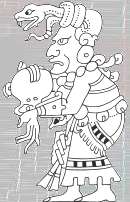
Ixchup is a significant figure in Maya mythology, known for her deep connections to the natural world and her role in various myths and legends. She is often associated with the themes of fertility, the earth, and the cycles of life. The Maya civilization, which flourished in Central America, had a rich tapestry of gods and goddesses, each embodying different aspects of life and nature. Ixchup is particularly revered among agricultural communities, as her presence is believed to influence the growth of crops and the fertility of the land.
The Role of Ixchup in Maya Mythology
Ixchup plays a crucial role in the Maya pantheon. She is often depicted as a nurturing figure, embodying the essence of mother earth. Many myths surrounding her describe her as a provider, bestowing gifts of fertility and abundance to her followers. The Maya people viewed her as a protective goddess, safeguarding their crops and ensuring a bountiful harvest. Her influence extended beyond agriculture, as she was also associated with the cycles of life and death, symbolizing the continuous flow of nature.
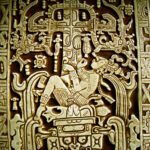 Zac Cimi
In various mythological tales, Ixchup is often depicted alongside other deities, highlighting her importance within the larger narrative of Maya cosmology. For example, in some stories, she is portrayed as the wife of the rain god, symbolizing the crucial relationship between rain, fertility, and the earth. This connection emphasizes the interdependence of different elements within the natural world, a theme that is central to Maya belief systems.
Symbolism and Representation
The symbolism of Ixchup is rich and varied. She is often associated with agriculture, representing the earth’s fertility and the nurturing aspects of nature. Her images frequently include symbols of the harvest, such as corn and other crops. The Maya people revered corn as a sacred food, and Ixchup’s association with it highlights her importance in their agricultural practices. Festivals and rituals dedicated to her often involved offerings of food and flowers, celebrating her role as the giver of life.
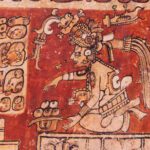 Itzam Cab
Visually, Ixchup is represented in various forms of Maya art. Artists would depict her with flowing garments, adorned with flowers and agricultural symbols. These representations serve as a reminder of her nurturing qualities and her integral role in the cycles of life. The use of vibrant colors in her depictions also reflects the richness of the earth and the abundance she provides.
Ixchup in Rituals and Worship
The worship of Ixchup was an essential aspect of Maya culture, particularly in agricultural communities. Rituals dedicated to her were often conducted during planting and harvesting seasons. These ceremonies aimed to invoke her blessings for a successful crop yield. Priests and priestesses would perform rituals that included offerings, prayers, and dances, all intended to honor her and seek her favor.
- Offerings of food, particularly corn and fruits, were commonly made to Ixchup.
- Ritual dances were performed to celebrate her presence and invoke her blessings.
- Special altars were created in her honor, adorned with flowers and agricultural symbols.
These rituals served not only as a means of seeking Ixchup’s favor but also as a way to strengthen the community’s connection to the land. The Maya believed that by honoring Ixchup, they were acknowledging the vital role of nature in their lives. This connection to the earth was deeply ingrained in their culture and influenced their agricultural practices, social structures, and spiritual beliefs.
 Hunab Ku
Legends and Myths Surrounding Ixchup
Many legends exist that tell the stories of Ixchup and her interactions with other deities. One popular tale describes how Ixchup helped the first farmers learn to cultivate the land. According to this legend, she appeared to them in a dream, showing them how to plant seeds and care for their crops. This story emphasizes her role as a teacher and guide, highlighting the importance of knowledge in agriculture.
Another myth recounts a time when the earth suffered from a great drought. The crops withered, and the people were on the brink of starvation. In their desperation, they turned to Ixchup for help. The goddess, moved by their plight, descended from the heavens and brought rain to the parched land. This story reinforces her role as a benevolent figure who responds to the needs of her people, illustrating the deep connection between the Maya and their deities.
The Legacy of Ixchup in Modern Culture
Even today, the influence of Ixchup can be seen in the traditions and practices of contemporary Maya communities. Many still hold rituals in her honor, particularly during planting and harvest times. These ceremonies often blend ancient beliefs with modern practices, showcasing the resilience of Maya culture. The reverence for Ixchup reflects a deep respect for the earth and a recognition of the importance of sustainable agricultural practices.
Additionally, Ixchup’s story has found its way into modern literature and art. Artists and writers draw inspiration from her myths, creating works that explore themes of fertility, nature, and the interconnectedness of life. These contemporary interpretations serve to keep the stories of Ixchup alive, ensuring that her legacy continues to be celebrated and recognized.
Ixchup is a vital figure in Maya mythology, representing fertility, agriculture, and the nurturing aspects of nature. Her stories and symbolism continue to resonate with the Maya people, reflecting their deep connection to the earth and their agricultural practices. Through rituals, myths, and modern interpretations, Ixchup remains a powerful symbol of life and abundance in the Maya world.