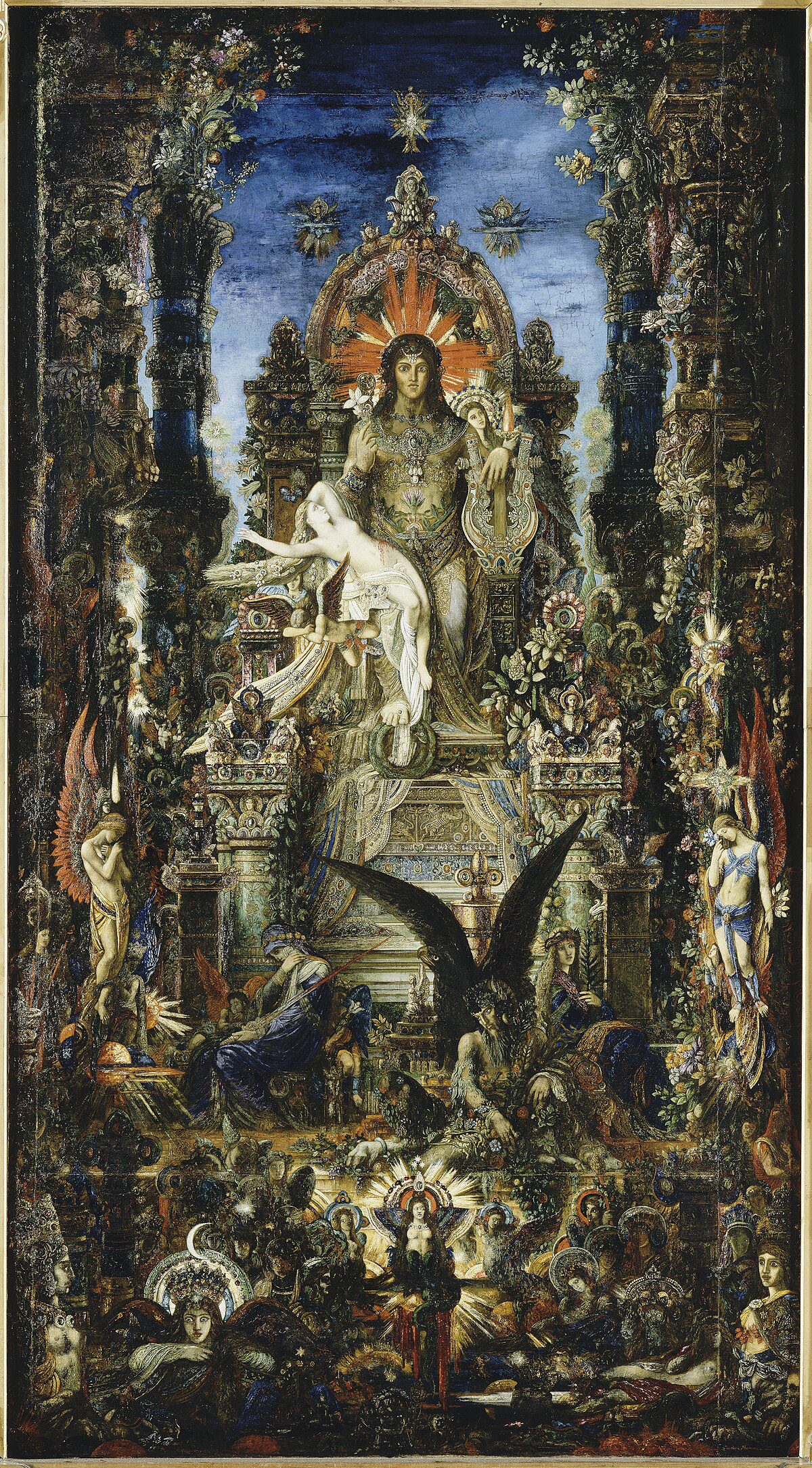
In the realm of Greek mythology, Semele holds a significant place as a tragic figure. She is often remembered as the mortal mother of the god Dionysus, the god of wine, fertility, and festivity. Semele’s story is filled with themes of desire, jealousy, and the consequences of one’s wishes. Her tale serves as a reminder of the complexities of human emotions and the dangers of longing for the divine. This article delves into the various aspects of Semele’s life, her relationship with the gods, and the impact of her actions on Greek mythology.
Background of Semele
Semele was a princess of Thebes, the daughter of Cadmus, the founder of the city, and Harmonia, a daughter of Ares and Aphrodite. Her lineage placed her in a position of nobility, yet it did not shield her from the trials and tribulations of mortal life. Semele’s beauty was renowned, and she caught the eye of Zeus, the king of the gods. Their affair was both passionate and fraught with danger, as the gods often had complicated relationships with mortals.
 Sibyl-of-cumae
Her father, Cadmus, had a complicated relationship with the gods as well. He had once angered Ares, leading to a series of events that would shape the fate of Thebes. Semele’s life was a reflection of the intertwining of human and divine struggles. She was caught in a web of divine intrigue, which would ultimately lead to her downfall. The narrative of Semele is not just about her individual fate but also about the broader themes of fate and destiny that pervade Greek mythology.
The Love Affair with Zeus
Semele’s love affair with Zeus began when she caught his eye during a festival. Their romance blossomed quickly, and soon Semele became pregnant. However, the union of a mortal and an immortal was always destined to face challenges. Zeus, being a god, was bound by the rules of Olympus, and his relationships with mortals were often met with disapproval from other gods, especially from his wife, Hera.
Hera’s jealousy became a pivotal point in Semele’s story. She disguised herself as an old woman and befriended Semele. Under the guise of friendship, Hera sowed seeds of doubt in Semele’s mind regarding Zeus’s true nature. Semele, blinded by her desire to prove her lover’s divinity, made a fatal wish. She demanded that Zeus reveal himself in all his glory, not understanding the dangers that such a request posed. This moment would lead to catastrophic consequences for her.
 Sibyls
The Fatal Wish
When Semele insisted on seeing Zeus in his true form, he had no choice but to comply. In Greek mythology, the gods were often depicted as overwhelming forces, and their true forms were too powerful for mortals to endure. When Zeus revealed himself, he appeared as a being of incredible light and power. The sight was so overwhelming that it consumed Semele. She was struck by lightning and perished in an instant, leaving behind her unborn child.
This tragic turn of events showcases the theme of hubris, a common motif in Greek mythology. Semele’s desire to know the divine led to her destruction, a cautionary tale about the dangers of overreaching. Her story serves as a reminder that mortals should remain humble and recognize their place in the grand scheme of existence. Semele’s fate was sealed by her wish, illustrating how desires can lead to unforeseen and often tragic consequences.
The Birth of Dionysus
Although Semele met a tragic end, her legacy lived on through her son, Dionysus. After Semele’s death, Zeus saved the unborn child by sewing him into his thigh until he was ready to be born. This unconventional birth made Dionysus a unique figure among the gods, often associated with themes of rebirth and transformation. His arrival into the world was marked by a mixture of divinity and mortality, reflecting the duality of his heritage.
 Sisyphus
Dionysus grew to become one of the most beloved gods in the Greek pantheon. He represented not only wine and revelry but also the cycle of life and death. His experiences echoed those of his mother, Semele, as he too faced challenges and opposition from other gods. The bond between mother and son is a poignant aspect of their narratives, as Semele’s tragic fate paved the way for Dionysus’s eventual rise to power.
The Influence of Semele in Literature
Semele’s story has been a source of inspiration for countless works of literature and art throughout history. Her tale has been retold in various forms, from ancient tragedies to modern interpretations. The themes of love, jealousy, and the consequences of desire resonate with audiences across generations. Playwrights such as Euripides and Ovid have drawn upon her story to explore complex human emotions and relationships.
In operas and musical compositions, Semele’s character is often depicted as a tragic heroine whose desire leads to her downfall. The most famous work is Handel’s opera “Semele,” which portrays her love for Zeus and the resulting chaos. These artistic interpretations continue to highlight the timeless nature of her story and its relevance in contemporary discussions about love and ambition.
Symbolism and Themes
Semele embodies several key themes in Greek mythology, including desire, jealousy, and the consequences of ambition. Her character serves as a representation of the dangers that come with longing for the divine. The allure of the gods often leads mortals to make choices that have far-reaching consequences, and Semele’s story is a prime example of this dynamic.
Moreover, the relationship between Semele and Hera illustrates the theme of divine jealousy. Hera’s actions towards Semele reflect the complexities of relationships among the gods, showcasing how personal vendettas can have devastating effects on mortals. Semele’s tragic end is not just a result of her own actions but also a reflection of the capricious nature of the gods and their interactions with humanity.
Semele’s Legacy in Culture
Even today, Semele’s story continues to resonate within modern culture. She is often referenced in discussions about the nature of love and the perils of ambition. The character of Semele serves as a reminder of the human condition, where desires can lead to both greatness and destruction. Her legacy is also evident in various artistic expressions, including paintings, poetry, and theatrical performances.
Furthermore, Semele’s narrative contributes to the broader understanding of Greek mythology and its influence on Western literature and art. Her story intertwines with that of other mythological figures, creating a rich tapestry of interconnected tales that explore the human experience. The lessons derived from Semele’s life continue to inspire artists, writers, and thinkers, demonstrating the enduring power of mythology.
Conclusion: The Enduring Allure of Semele
Semele’s story is one of tragedy, love, and the consequences of ambition. Her life serves as a powerful reminder of the complexities of human emotions and the intricate relationships between mortals and gods. The impact of her actions ripples through Greek mythology, shaping the narrative of her son, Dionysus, and influencing countless works of art and literature. Semele remains an enduring figure in the mythological canon, a symbol of both the beauty and the peril of desire.