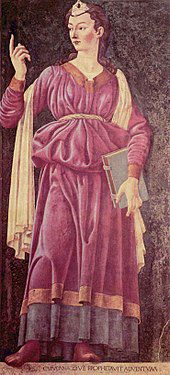
The Sibyl of Cumae is one of the most fascinating figures in Greek mythology, known for her prophetic abilities and her deep connection to the divine. Located in the ancient city of Cumae, near Naples, Italy, she is often depicted as a wise woman who could communicate with the gods and provide guidance to those who sought her counsel. The Sibyl’s prophecies were highly regarded, and many came from far and wide to hear her words. Her legacy has endured through the ages, making her a significant character in both Greek and Roman literature.
The Origins of the Sibyl of Cumae
The origins of the Sibyl of Cumae can be traced back to ancient Greek beliefs about prophecy and divination. According to legend, she was born to a mortal woman and the god Apollo, which granted her extraordinary powers. The Cumaean Sibyl was said to possess a sacred cave where she would enter a trance-like state to receive visions from the gods. This connection to Apollo, the god of prophecy, music, and knowledge, gave her a unique status among the Sibyls, who were women believed to have the gift of foresight.
In ancient texts, the Sibyl of Cumae is often associated with the Oracle of Delphi, another famous prophetic site. While the Oracle of Delphi was located in Greece, the Sibyl of Cumae became a central figure in Roman culture, particularly during the late Republic and early Empire. The Romans admired her for her wisdom and her ability to foresee the future, which made her an essential part of their mythology. Her prophecies often carried significant weight, influencing important decisions and events in Roman history.
 Sibyls
The prophecies of the Sibyl of Cumae were not only significant for individuals seeking personal guidance but also for entire nations. Many of her predictions dealt with the fate of cities, wars, and the rise and fall of empires. One of the most famous stories involves her prophecy concerning the fate of Troy. According to legend, the Sibyl foretold the destruction of the city, which ultimately came true during the Trojan War. Her warnings were often heeded, but sometimes ignored, leading to tragic consequences.
The Sibyl’s prophecies were usually delivered in cryptic verses, which made them open to interpretation. This ambiguity added to her mystique, as those who consulted her had to decipher her words to understand their meaning. Many believe that this complexity is what made her prophecies so enduring; they were relevant to various situations and could be applied in different contexts. This adaptability contributed to her lasting influence in both Greek and Roman cultures.
The cave of the Sibyl in Cumae is a significant archaeological site that attracts many visitors and scholars interested in ancient history. The cave is a complex of tunnels and chambers, believed to be where the Sibyl received her prophecies. The atmosphere within the cave is said to be mystical, with echoes of the past resonating through its walls. Many stories suggest that the Sibyl would enter the cave, inhaling the vapors that would induce her prophetic state.
 Sisyphus
Archaeological studies of the site have revealed inscriptions and altars dedicated to various gods, including Apollo. These findings indicate that the cave was a place of worship and a center for divination. The significance of the Sibyl’s cave extends beyond just its historical context; it symbolizes the intersection of the human experience with the divine. Visitors to the cave often reflect on the ancient practices of seeking wisdom and understanding from higher powers.
The Sibyl of Cumae has been referenced in various works of literature throughout history. One of the most notable mentions occurs in Virgil’s epic poem, the Aeneid. In this work, the Sibyl plays a crucial role in guiding the hero Aeneas to the Underworld. Her character is portrayed as wise and powerful, emphasizing the respect that she commanded in both Greek and Roman cultures. Virgil’s depiction of the Sibyl helped solidify her status as a significant prophetic figure.
In addition to the Aeneid, the Sibyl appears in other literary works, such as those by Ovid and Pliny the Elder. These references often highlight her prophetic gifts and her role as a mediator between humans and the gods. The Sibyl’s presence in literature demonstrates her importance in ancient mythology and how her legacy continued to influence writers and thinkers throughout history. Her character embodies the quest for knowledge and the search for understanding in a complex world.
 Spercheus
The Sibyl of Cumae represents more than just a prophetic figure; she symbolizes the human desire to seek knowledge and understanding beyond the mortal realm. Her ability to communicate with the gods reflects the ancient belief in the interconnectedness of the divine and human experience. The Sibyl serves as a reminder of the limitations of human understanding and the importance of humility when confronting the unknown.
Moreover, the Sibyl’s character embodies the tension between fate and free will. While she provides insights into the future, her prophecies often leave individuals with the responsibility to interpret and act upon her words. This duality raises questions about the nature of destiny and the choices that shape our lives. The Sibyl’s role as a guide in navigating these complexities resonates with audiences, making her a timeless figure in mythology.
In contemporary culture, the Sibyl of Cumae continues to inspire various interpretations in literature, art, and popular media. Her image is often associated with themes of prophecy, wisdom, and the quest for knowledge. Many modern artists and writers draw upon her character to explore the complexities of human existence and the search for meaning in a chaotic world. The Sibyl’s enduring legacy speaks to the timelessness of her message and the universal human experience.
Additionally, the Sibyl has become a symbol of female wisdom and empowerment. In a historical context where women often faced limitations in their roles, the Sibyl stands out as a figure of authority and insight. Her character challenges traditional gender norms, showcasing the strength and intelligence of women in ancient societies. This aspect of her legacy resonates with contemporary movements advocating for women’s rights and representation.
The Sibyl of Cumae has also made her mark in the world of visual arts. Artists throughout history have depicted her in various forms, capturing her enigmatic presence and the mystique surrounding her prophecies. One of the most famous representations is found in Michelangelo’s Sistine Chapel, where he painted the Sibyl of Cumae as part of the ceiling’s frescoes. This artwork highlights her importance in the Renaissance, a period that revered classical antiquity and sought to reconnect with ancient wisdom.
In addition to Michelangelo, many other artists have drawn inspiration from the Sibyl’s character, exploring themes of prophecy and the divine in their works. These artistic interpretations often reflect the broader cultural fascination with the supernatural and the human desire to connect with higher powers. The Sibyl’s portrayal in art serves as a testament to her enduring influence and the ways in which she continues to inspire creativity and imagination.
In recent years, the Sibyl of Cumae has made appearances in popular culture, including films, television shows, and literature. Her character is often adapted to fit modern narratives, showcasing her prophetic abilities and wisdom in new contexts. These adaptations highlight the timeless nature of her story and the relevance of her themes in contemporary society. The Sibyl’s presence in popular culture reflects the ongoing fascination with mythology and the human experience.
Moreover, the Sibyl’s story resonates with audiences who seek guidance and understanding in a rapidly changing world. Her character embodies the quest for knowledge and the importance of listening to one’s intuition. This connection to modern struggles makes her an appealing figure for storytelling, allowing new generations to engage with her legacy and draw inspiration from her wisdom.
The legacy of the Sibyl of Cumae is profound, as her influence extends far beyond ancient mythology. She represents the intersection of human experience and divine insight, embodying the timeless quest for knowledge and understanding. Her prophecies, while often cryptic, continue to inspire individuals to seek wisdom and reflect on their choices. The Sibyl’s character serves as a reminder of the complexities of life and the importance of humility in the face of uncertainty.
Furthermore, the Sibyl’s role as a female figure of authority and wisdom has paved the way for discussions about women’s representation in mythology and literature. Her legacy encourages contemporary audiences to recognize the strength and intelligence of women throughout history, challenging traditional narratives that often overlook their contributions. The Sibyl of Cumae remains a symbol of empowerment and resilience, inspiring future generations to seek their own paths of knowledge and understanding.