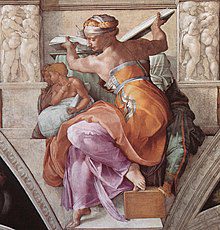
The concept of Sibyls has captivated the imagination of many throughout history. These prophetic women, often associated with the divine, played significant roles in ancient Greek mythology and were revered for their ability to communicate messages from the gods. The Sibyls were not just ordinary women; they were believed to possess extraordinary powers that allowed them to foretell the future. Their prophecies were sought after by kings, leaders, and common people alike, as they held the keys to understanding the will of the gods.
The Origin of the Sibyls
The origins of the Sibyls can be traced back to ancient Greece, where they were first mentioned in various texts and myths. Each Sibyl was said to inhabit a specific location, often a sacred site, where they would deliver their prophecies. The most famous of these locations was the Oracle of Delphi, where the Pythia, a priestess, served as the Sibyl. The Pythia was known for her cryptic messages, which were delivered in a trance-like state, often interpreted by priests.
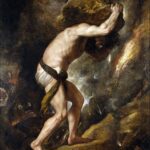 Sisyphus
There were many different Sibyls throughout the ancient world, each with their own unique attributes and stories. Some of the most notable Sibyls included the Cumaean Sibyl, who resided in Italy, and the Delphic Sibyl, associated with the Oracle of Delphi. The Cumaean Sibyl, in particular, was known for her prophecies concerning the fate of Rome. Her verses were often collected and revered, making her one of the most famous Sibyls in history.
The Role of Sibyls in Greek Mythology
In Greek mythology, the Sibyls were often portrayed as wise women who served as intermediaries between the gods and humanity. They were believed to possess the gift of divination, which allowed them to see into the future and understand the hidden truths of the world. Their prophecies were often ambiguous, filled with symbolism and riddles that required careful interpretation.
The role of the Sibyls extended beyond mere prophecy; they were also seen as guardians of sacred knowledge. Many myths depict Sibyls as protectors of ancient texts and wisdom, ensuring that this knowledge was passed down through generations. Their connection to the divine made them figures of great respect and reverence, often sought after by those in power.
 Spercheus
Famous Sibyls and Their Prophecies
- Cumaean Sibyl
- Delphic Sibyl: Gave cryptic messages that guided many Greek leaders.
- Sibyl of Erythraea: Her prophecies were said to predict the coming of the Messiah.
- Sibyl of Tibur: Known for her oracles concerning the future of the Roman Empire.
Each of these Sibyls had a unique story and set of prophecies that contributed to their legendary status. The Cumaean Sibyl, for example, was famous for her interactions with the hero Aeneas, guiding him through the underworld. Her prophecies were not only about individual destinies but also spoke of the larger fate of nations and civilizations.
The Influence of Sibyls in Literature
The influence of the Sibyls extends far beyond ancient mythology; they have left an indelible mark on literature and art throughout the ages. Many poets and writers have drawn inspiration from the enigmatic nature of the Sibyls, using their prophecies as themes in their works. For instance, the Roman poet Virgil famously featured the Cumaean Sibyl in his epic poem, the Aeneid, where she guides Aeneas on his journey.
In addition to Virgil, other notable writers such as Ovid and Plato referenced the Sibyls in their works. Their depictions often emphasized the mystical qualities of these prophetic women, showcasing their ability to foresee events and their connection to the divine. The Sibyls became symbols of wisdom and foresight, representing the human quest for knowledge and understanding.
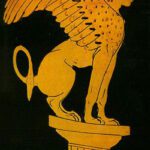 Sphinx-
The Cultural Legacy of Sibyls
The cultural legacy of the Sibyls can be seen in various forms of art, music, and literature. Their image has been immortalized in paintings, sculptures, and even modern films. Artists such as Michelangelo depicted Sibyls in the Sistine Chapel, showcasing their significance in the Renaissance period. The famous Sibyls frescoes highlight the enduring fascination with these prophetic figures.
Moreover, the Sibyls have been referenced in modern literature and popular culture, often serving as symbols of mystery and wisdom. They continue to inspire writers and artists, reflecting the timeless nature of their stories. The idea of a wise woman who can see the future resonates with audiences, allowing the Sibyls to maintain their relevance in contemporary narratives.
Symbolism and Interpretation
The Sibyls are rich in symbolism, often representing the duality of knowledge and mystery. Their prophecies were not always clear, and this ambiguity adds to their allure. The riddles and cryptic messages delivered by the Sibyls challenge listeners to engage in deeper thought and interpretation. This complexity reflects the human experience of seeking answers in a world filled with uncertainties.
In many ways, the Sibyls embody the struggle between fate and free will. Their prophecies often hinted at predetermined outcomes, yet they also encouraged individuals to take action and make choices that could alter their destinies. This tension between destiny and agency is a recurring theme in literature and philosophy, making the Sibyls timeless figures in the exploration of human existence.
Modern Interpretations of Sibyls
In contemporary society, the idea of the Sibyl has evolved, but their essence remains. Many people still seek guidance from various forms of divination, such as tarot readings and astrology, echoing the ancient practices of the Sibyls. The modern interpretation of these prophetic figures often emphasizes empowerment and self-discovery, allowing individuals to explore their potential and future.
Additionally, the concept of the Sibyl has been embraced in feminist discourse, highlighting the role of women as knowledge keepers and visionaries. The Sibyls are often viewed as early representations of female power and wisdom, challenging traditional gender roles. This reinterpretation has led to a resurgence of interest in the stories and legacies of the Sibyls, encouraging a new generation to engage with their narratives.
The Legacy of Sibyls in Spirituality
The legacy of the Sibyls extends into the realm of spirituality, where they are often seen as guides for those on a spiritual journey. Many individuals look to the Sibyls as symbols of intuition and inner wisdom, encouraging a deeper connection with the self and the universe. The idea that one can tap into their own prophetic abilities resonates with many spiritual seekers today.
Furthermore, the teachings and insights attributed to the Sibyls can be found in various spiritual practices, including meditation and mindfulness. Their emphasis on listening to one’s inner voice and seeking truth aligns with many modern spiritual philosophies. This connection to the past enriches contemporary spiritual practices, allowing individuals to draw from the wisdom of the Sibyls while navigating their own paths.
The Sibyls in Popular Culture
The influence of the Sibyls can be seen in various aspects of popular culture, from movies to music. Their enigmatic nature and prophetic abilities have inspired countless stories and characters. Films that explore themes of prophecy and fate often draw parallels to the Sibyls, portraying them as wise mentors or mystical figures guiding protagonists on their journeys.
In music, artists have referenced the Sibyls in their lyrics, using them as symbols of insight and foresight. The blending of ancient mythology with modern storytelling creates a rich tapestry of narratives that resonate with audiences. The Sibyls, as archetypes of wisdom, continue to inspire creativity and imagination in various artistic expressions.
The enduring legacy of the Sibyls in Greek mythology highlights their significance as prophetic figures who bridged the gap between the divine and humanity. Their stories, filled with mystery and wisdom, continue to captivate the hearts and minds of people across generations. The Sibyls remind us of the timeless quest for knowledge, understanding, and the connection between fate and free will.