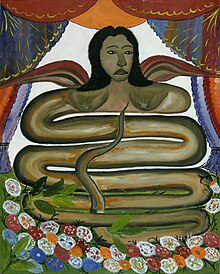
Damballah is one of the most significant and revered spirits in Vodou mythology. Often regarded as the father of the other spirits, or Loa, Damballah is associated with creation, wisdom, and the life force that flows through all beings. He is typically depicted as a serpent, embodying the qualities of both water and air, which are vital elements in the Vodou belief system. This association with the serpent symbolizes transformation and the cyclical nature of life. Damballah’s influence extends far beyond individual worship, as he plays a crucial role in the spiritual framework of Vodou practitioners.
Origins and Symbolism
The origins of Damballah can be traced back to the African spiritual traditions brought to the Americas by enslaved people. In these traditions, serpents were often seen as powerful symbols of fertility, renewal, and the divine. Damballah represents these qualities in the Vodou pantheon. His image as a serpent highlights his connection to the earth and the sky, embodying the duality of life. This duality is essential to understanding his role within Vodou, as he serves as a bridge between the physical and spiritual realms.
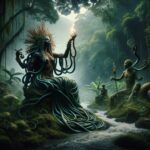 Congo Savanne
In many Vodou rituals, Damballah is invoked for his wisdom and guidance. He is often called upon to bless ceremonies and provide protection to practitioners. His presence is believed to bring about healing and rejuvenation, making him a vital figure in the lives of those who seek his assistance. Damballah’s ability to navigate between different realms is a reflection of his status as a creator spirit, which further emphasizes his importance in Vodou mythology.
Key Symbols Associated with Damballah
- Serpent: Represents transformation and the life force.
- White Color: Symbolizes purity and wisdom.
- Water: Represents cleansing and healing.
- Air: Symbolizes breath and life.
Each of these symbols plays a vital role in the rituals and offerings made to Damballah. The serpent is not just a physical representation; it also serves as a metaphor for the spiritual journey. The color white, often associated with Damballah, signifies the purity of his intentions and the clarity of his wisdom. Water, as a symbol of healing, is frequently used in rituals to invoke his blessings. Lastly, air represents the breath of life, a reminder of the vital force that connects all living beings.
Damballah in Vodou Rituals
Rituals dedicated to Damballah are often elaborate and filled with symbolic meaning. Practitioners prepare offerings that include items such as white cloth, eggs, and water, all of which are believed to attract his presence. The use of white is particularly significant, as it aligns with Damballah’s symbolism of purity and wisdom. During these rituals, practitioners may engage in dancing, singing, and drumming, which are essential elements in invoking the spirit of Damballah.
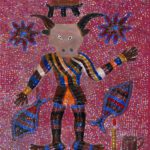 Bosou
BosouThe act of calling upon Damballah is not merely a request for assistance; it is also a way for practitioners to express gratitude and reverence. Many Vodou ceremonies include moments of reflection where participants share their experiences and the blessings they have received. This communal aspect of worship highlights the importance of Damballah as a unifying figure within the Vodou community. It reinforces the belief that spiritual connections can foster a sense of belonging and shared purpose.
Common Offerings to Damballah
- White cloth and candles
- Eggs, symbolizing fertility
- Fresh water and fruits
- Drums and music
These offerings are carefully chosen to resonate with Damballah’s attributes. The white cloth and candles create a sacred space, while eggs symbolize new beginnings and potential. Fresh water is essential for cleansing and healing, reflecting Damballah’s role as a protector. Drums and music serve to elevate the spirit, creating an atmosphere conducive to spiritual connection. Together, these elements form a rich tapestry of devotion that honors Damballah’s significance in Vodou.
Damballah and Other Loa
Damballah is often considered the father of many other Loa, making him a central figure in the Vodou pantheon. His relationships with other spirits highlight the interconnectedness of the Vodou belief system. For example, Damballah is closely associated with Ayizan, the spirit of the marketplace and commerce. Together, they represent the balance between spiritual and material prosperity. This relationship emphasizes the importance of community and support in achieving success.
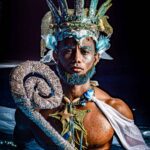 Bondye
Moreover, Damballah is often linked with Erzulie, the goddess of love and beauty. Their connection underscores the idea that love and wisdom are essential components of a fulfilling life. This interplay between Damballah and other Loa illustrates the complexity of Vodou beliefs, where spirits are not isolated entities but rather part of a larger cosmic order. Practitioners often invoke multiple spirits during rituals, recognizing the collaborative nature of their spiritual practice.
Influence of Damballah in Vodou Practices
- Guidance in personal growth
- Healing rituals for the community
- Encouragement of wisdom and knowledge
- Fostering connections between individuals
Damballah’s influence is evident in various aspects of Vodou practice. Many practitioners seek his guidance for personal growth, believing that his wisdom can illuminate their paths. Healing rituals often invoke Damballah to provide protection and restoration, emphasizing his role as a nurturer. Additionally, his presence encourages the pursuit of knowledge, inspiring practitioners to seek deeper understanding and connection with the world around them. Ultimately, Damballah fosters connections between individuals, reinforcing the communal nature of Vodou.
Modern Interpretations of Damballah
In contemporary Vodou practices, Damballah continues to hold significant importance. Many practitioners view him as a source of strength and inspiration in their daily lives. Modern interpretations of Damballah often emphasize themes of resilience, healing, and transformation. As society evolves, so do the meanings attributed to this powerful spirit. Practitioners adapt their rituals and offerings to reflect current challenges and aspirations, ensuring that Damballah remains relevant in their spiritual journeys.
Furthermore, Damballah’s representation as a serpent resonates with many people today, particularly in discussions around environmentalism and the interconnectedness of life. The serpent symbolizes not only the cycle of life but also the need for harmony with nature. As individuals become more aware of their impact on the environment, Damballah’s teachings about balance and respect for all living beings take on new significance.
Modern Rituals and Practices
- Community gatherings for healing
- Workshops on spiritual growth
- Environmental activism inspired by Damballah’s teachings
- Creative expressions through art and music
Modern rituals often include community gatherings focused on healing, where practitioners come together to support one another. Workshops on spiritual growth allow individuals to explore their connection to Damballah and other spirits, fostering a sense of empowerment. Additionally, the teachings of Damballah inspire many practitioners to engage in environmental activism, advocating for sustainable practices and respect for nature. Creative expressions through art and music also serve as a means of honoring Damballah, allowing individuals to channel their spiritual experiences into tangible forms.
Damballah in Popular Culture
The figure of Damballah has also found its way into popular culture, influencing literature, film, and music. Many artists draw upon Vodou themes to explore deeper philosophical questions about life, death, and spirituality. Damballah’s character often represents wisdom and the quest for understanding, making him a compelling figure in storytelling. This representation serves to educate broader audiences about Vodou beliefs and practices, dispelling misconceptions and stereotypes.
In film, Damballah is sometimes portrayed as a wise and benevolent spirit, guiding characters through their journeys. These portrayals often highlight the transformative power of spirituality, echoing the themes found in Vodou practices. Similarly, in music, references to Damballah can serve as a means of connecting with ancestral roots and cultural heritage. Through these mediums, Damballah continues to inspire and resonate with individuals beyond the confines of traditional Vodou practice.
Examples of Damballah in Popular Culture
- Literature exploring Vodou themes
- Films depicting Vodou rituals and beliefs
- Music incorporating Vodou symbols and stories
- Art inspired by Damballah’s imagery
These examples illustrate the enduring legacy of Damballah in contemporary society. By engaging with Vodou themes in popular culture, artists and creators contribute to a broader understanding of this rich spiritual tradition. The representation of Damballah serves not only to honor his significance but also to invite others to explore the deeper meanings embedded within Vodou mythology.
Damballah remains a powerful symbol of wisdom, healing, and transformation in Vodou mythology. His influence extends through rituals, relationships with other Loa, and modern interpretations that resonate with contemporary practitioners. As Vodou continues to evolve, Damballah’s teachings about balance, community, and connection remain vital. By honoring this revered spirit, practitioners not only acknowledge their heritage but also embrace the ongoing journey of spiritual growth and understanding.