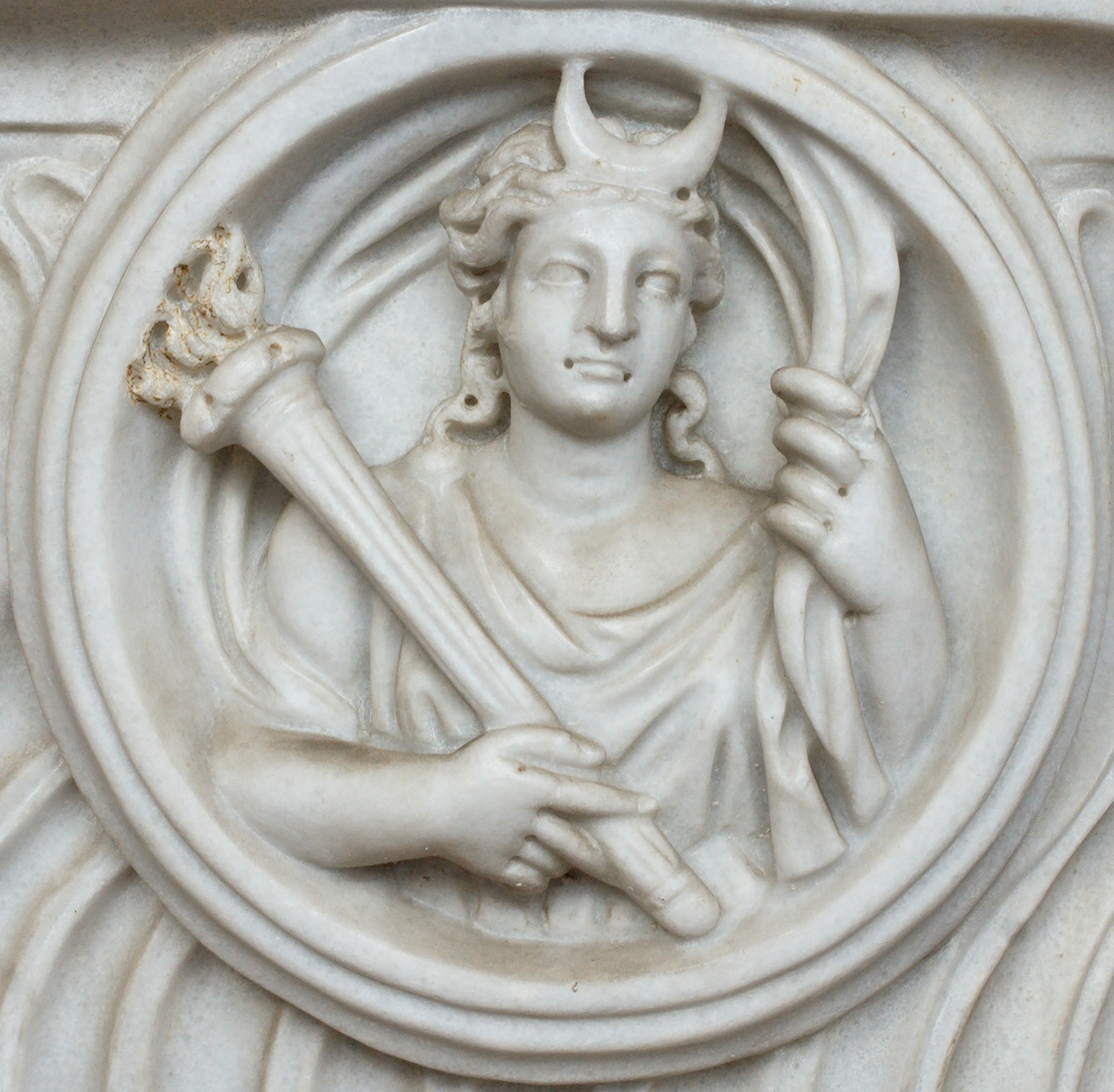
Selene is one of the most fascinating figures in Greek mythology. She is the goddess of the moon and is often depicted as a beautiful woman driving a chariot across the night sky. Her presence in ancient tales reveals much about the beliefs and values of the people who worshipped her. Selene’s significance goes beyond just being a lunar deity; she represents various themes, including love, beauty, and the passage of time. This article delves into the myths surrounding Selene, her relationships with other gods, and her lasting impact on culture and art.
Origins of Selene
Selene is often considered one of the three primary lunar deities in Greek mythology, alongside Hecate and Artemis. Each of these goddesses has her own unique attributes and associations. Selene is typically recognized as the personification of the moon itself. According to myth, she is the daughter of the Titans Hyperion and Theia, who are also associated with light and the celestial bodies. This lineage emphasizes her connection to the heavens and the natural world. As the moon goddess, Selene is often portrayed as a radiant figure, embodying the calm and serene qualities of the moonlight.
In ancient texts, Selene is sometimes referred to as “Luna” in Roman mythology. The Roman interpretation of Selene shares many similarities with the Greek version but also incorporates different cultural elements. This interchange between cultures illustrates how the figure of Selene has evolved over time, adapting to various societal beliefs while maintaining her core identity as the moon goddess. The stories surrounding her character have been passed down through generations, reflecting the importance of lunar worship in both Greek and Roman traditions.
Selene’s Appearance and Symbols
Selene is often depicted in art and literature as a strikingly beautiful woman, often wearing a flowing gown that glimmers like the moonlight. Her most common attribute is a crescent moon on her head, symbolizing her connection to the lunar cycle. Artists have portrayed her riding a chariot pulled by two horses, representing the movement of the moon across the sky. This imagery serves to highlight her role as a celestial figure who influences the night and the tides of the earth.
 Sibyl-of-cumae
In addition to the crescent moon, Selene is associated with various symbols that represent her qualities and powers. For example, she is often linked to the owl, which is a symbol of wisdom and is also nocturnal, making it an appropriate companion for the moon goddess. Another common symbol associated with Selene is the full moon, which represents completeness and illumination. These symbols are not only significant in art but also in the rituals and offerings made to her by her followers.
Mythological Tales Involving Selene
One of the most famous myths involving Selene is her love story with the mortal Endymion. According to the legend, Selene fell deeply in love with Endymion, a handsome shepherd or a king, depending on the version of the myth. In some tales, Zeus granted Endymion eternal sleep, allowing him to remain forever youthful and beautiful. This arrangement allowed Selene to visit him each night, as she descended from the heavens to gaze upon his sleeping form. Their love story highlights themes of unrequited love and the longing for connection that resonates throughout many myths.
The story of Selene and Endymion is not just a tale of romance; it also reflects the idea of time and the cycles of life. Selene’s nightly visits to Endymion symbolize the passage of time and the inevitable changes that come with it. The moon waxes and wanes, much like the stages of life, and Selene’s relationship with Endymion embodies this cyclical nature. Through their story, ancient Greeks expressed their understanding of love, loss, and the beauty of fleeting moments.
 Sibyls
Other Relationships
- Selene and Helios: Selene is often considered the sister of Helios, the sun god. Their relationship symbolizes the balance between day and night, light and darkness.
- Selene and the Nymphs: Selene is sometimes depicted as having close ties with nymphs, who are nature spirits. These relationships highlight her connection to the natural world.
- Selene and Zeus: In some myths, Selene is said to have had a brief romantic involvement with Zeus, resulting in the birth of several children.
Worship and Cult of Selene
Selene was worshipped in various regions of ancient Greece, with rituals and offerings dedicated to her as the moon goddess. Temples and shrines were built in her honor, where followers would gather to celebrate her presence and seek her blessings. The lunar calendar played a significant role in these worship practices, as many festivals were aligned with the phases of the moon. The full moon, in particular, was considered a time of heightened energy and spirituality, making it an ideal occasion for honoring Selene.
During these festivals, offerings such as cakes, fruits, and libations were presented to Selene. These acts of devotion were meant to express gratitude for her influence over the night and the natural world. Additionally, some rituals involved dancing and music, celebrating the beauty of the moon and the mystery of the night. The connection between Selene and nature was deeply ingrained in these practices, as her light was believed to nurture the earth and its inhabitants.
Selene in Literature and Art
Selene’s influence extends beyond mythology and worship; she has also left a significant mark on literature and art throughout history. Many ancient poets, including Hesiod and Homer, referenced Selene in their works, often highlighting her beauty and divine nature. These literary depictions helped to solidify her role as a central figure in Greek mythology and contributed to the cultural understanding of lunar deities.
In visual arts, Selene has been depicted by numerous artists, capturing her ethereal beauty and celestial essence. Paintings, sculptures, and mosaics often portray her riding her chariot across the night sky, illuminating the darkness with her radiant light. The Renaissance period saw a resurgence of interest in classical mythology, leading to new interpretations of Selene in art. Artists like Giorgione and Caravaggio have created masterpieces that celebrate her beauty and the enchanting qualities of the moon.
Modern Interpretations of Selene
In contemporary culture, Selene continues to inspire artists, writers, and creators. Her character is often reimagined in various forms of media, including literature, film, and music. The themes associated with Selene, such as romance, mystery, and the natural world, resonate with modern audiences, making her a timeless figure. Many modern adaptations explore her relationships and her role as a nurturing force in nature, often emphasizing the importance of balance in life.
Furthermore, Selene’s influence can be seen in the names of various lunar-related terms, such as “selenology,” the study of the moon. This scientific connection demonstrates how her legacy has transcended mythology, becoming part of the broader understanding of astronomy and space exploration. The fascination with the moon and its phases continues to inspire people today, and Selene remains a symbol of that intrigue.
Selene, the goddess of the moon, is a captivating figure in Greek mythology. Her beauty, love stories, and connections to the natural world have made her a timeless symbol of the night. Through her myths and the worship practices surrounding her, Selene represents the complex relationships between the divine and the mortal, as well as the cyclical nature of life. Her legacy endures in literature, art, and modern interpretations, proving that the allure of the moon and its goddess will continue to inspire generations to come.