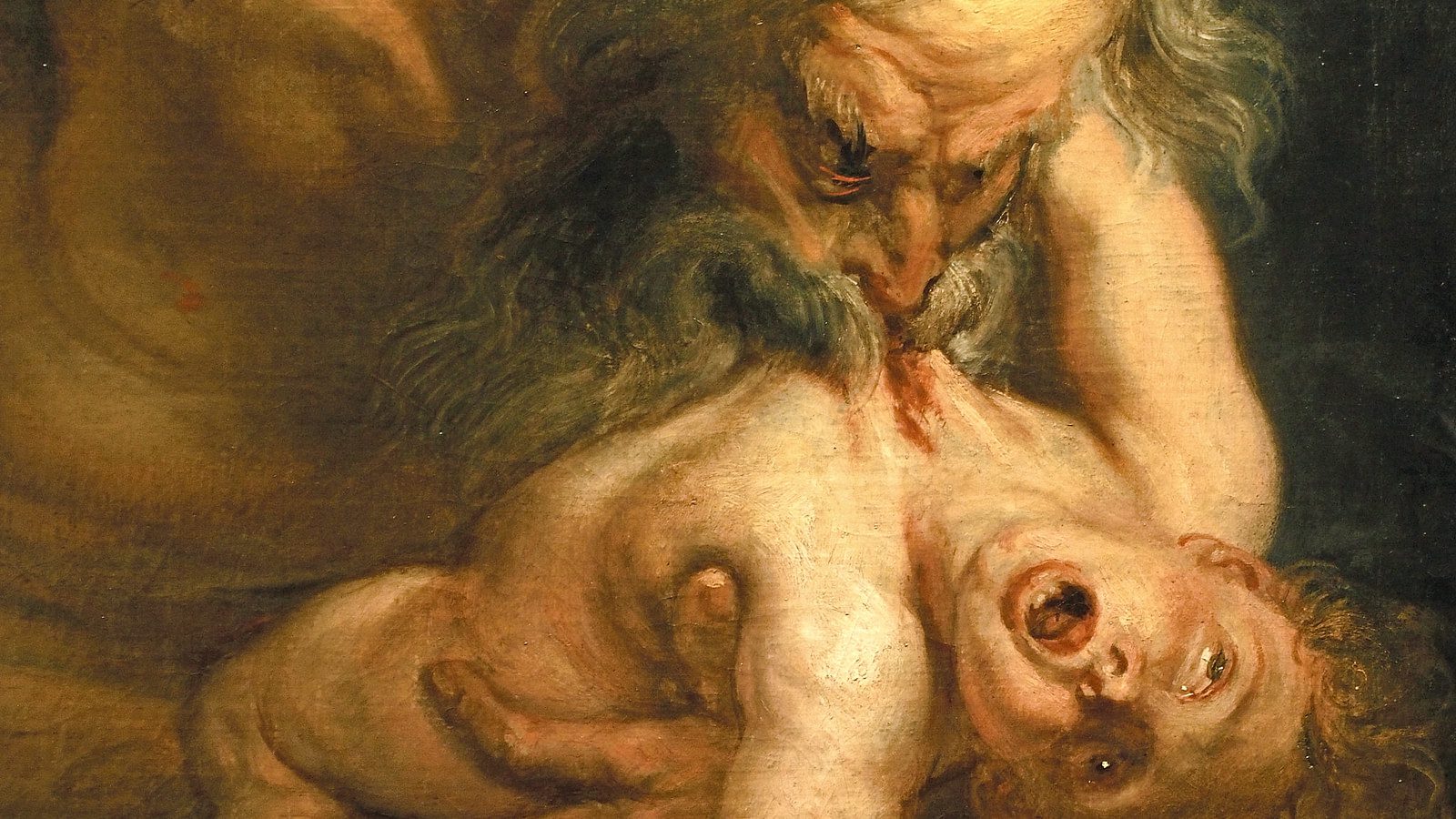
In Roman mythology, Saturnus, known as Saturn in English, holds a significant position as one of the principal deities. He is often associated with the agricultural cycle and is considered a god of sowing and seed. Saturnus embodies the essence of wealth and abundance, linking him closely to the earth and its fertility. The ancient Romans celebrated him through various festivals, the most notable being the Saturnalia, which marked the end of the harvest season and the beginning of winter. This festival was characterized by feasting, merriment, and a temporary reversal of social roles, where slaves and masters would exchange places.
Origins and Family of Saturnus
 Sibyl-of-cumae-
Saturnus is often considered a counterpart to the Greek god Chronos. However, his origins in Roman mythology differ significantly. Saturnus was believed to have been born to the ancient god Uranus and the goddess Gaia, making him part of a divine lineage that includes several prominent deities. His family tree is complex, with notable children including Jupiter, Neptune, and Pluto. Each of these children went on to play crucial roles in Roman mythology, with Jupiter eventually becoming the king of the gods.
As the god of agriculture, Saturnus was often depicted with a sickle or a scythe, tools that symbolize his connection to farming and harvest. He is frequently represented as an older man, emphasizing his wisdom and experience. The Roman poet Virgil referred to Saturnus as a benevolent deity who brought prosperity and happiness to the people. This portrayal helped cement his reputation as a nurturing god, one who provided for his followers and encouraged them to cultivate the land.
Saturnalia: The Festival of Saturnus
The Saturnalia festival was one of the most important celebrations in ancient Rome, dedicated to Saturnus. It took place in mid-December and lasted for several days, typically from December 17 to December 23. During this time, normal social conventions were overturned, allowing people to enjoy a brief period of freedom and revelry. One of the festival’s key features was the banquet, where families and friends would gather to share meals, exchange gifts, and participate in various games and activities.
 Silvanus
- Feasting and merriment were central to the celebrations.
- Social hierarchies were temporarily suspended.
- People exchanged gifts, particularly candles and figurines.
- Public gambling was permitted, which was usually frowned upon.
Saturnalia also included a unique tradition known as the Lord of Misrule, where a common citizen was chosen to lead the festivities. This individual would often give orders that were humorously contrary to the usual norms, further enhancing the festival’s playful atmosphere. The temporary reversal of roles allowed for a sense of community and equality among participants, fostering a spirit of unity and joy during the darkest days of winter.
Symbolism and Attributes of Saturnus
Saturnus is rich in symbolism, representing not only agriculture but also the passage of time. The sickle he carries is a potent symbol of the harvest, while his association with the golden age reflects a time of peace and prosperity. This age was believed to have existed when Saturnus ruled over the earth, a period characterized by abundance, harmony, and the absence of conflict. In this idyllic time, humans lived in close harmony with nature, enjoying the fruits of the earth without the need for labor.
Additionally, Saturnus is often associated with the concept of time, particularly in relation to the cyclical nature of seasons and agricultural practices. The idea of time is further emphasized by his Greek counterpart, Chronos, who is often depicted as the personification of time itself. This duality highlights the importance of time in both agricultural cycles and the broader human experience, as it governs the rhythms of life and death.
 Sol-
Sol-Saturnus in Literature and Art
Throughout history, Saturnus has been a prominent figure in various forms of literature and art. Roman poets like Ovid and Virgil celebrated his attributes and significance in their works. In Ovid’s “Metamorphoses,” Saturnus is depicted as a god who brought forth the golden age, creating a world where peace and prosperity reigned. This literary portrayal has influenced countless artists and writers throughout the centuries, inspiring depictions of Saturnus in paintings, sculptures, and other artistic mediums.
In art, Saturnus is often represented in a variety of ways. Artists frequently depict him as an older man, reflecting wisdom and experience, with a beard and a sickle in hand. Paintings and sculptures capture the essence of his nurturing nature, illustrating scenes of agricultural abundance and the joys of the harvest. Some artists choose to emphasize the darker aspects of his mythology, portraying him as a figure associated with time and mortality, reflecting the inevitable passage of life.
Modern Interpretations of Saturnus
In modern times, Saturnus continues to be a subject of fascination, particularly in the context of astrology and popular culture. Astrologically, Saturn is associated with discipline, responsibility, and the lessons that come with experience. People born under the influence of Saturn are often seen as hardworking and practical, embodying the qualities of perseverance and determination. This interpretation of Saturnus has led to a renewed interest in his mythology and the lessons it can offer.
Moreover, the themes of Saturnus resonate with contemporary societal issues. The festival of Saturnalia, with its emphasis on equality and community, serves as a reminder of the importance of celebrating togetherness, especially in times of hardship. Many modern celebrations draw inspiration from Saturnalia, incorporating elements of feasting, gift-giving, and social bonding into their festivities. This connection to ancient traditions highlights the enduring relevance of Saturnus in today’s world.
Saturnus and His Influence on Roman Religion
Saturnus played a crucial role in the religious practices of ancient Rome. Temples dedicated to him, such as the Temple of Saturn in the Roman Forum, served as important sites for worship and ritual. This temple was not only a place of prayer but also housed the state treasury, further emphasizing Saturnus’s association with wealth and abundance. The rituals performed at these temples often involved sacrifices and offerings, seeking to gain favor from the god and ensure a bountiful harvest.
Furthermore, the Roman calendar was influenced by Saturnus, with specific days dedicated to his worship. The Saturnalia festival was just one example of how his presence permeated Roman religious life. His influence extended to various aspects of society, including agriculture, governance, and social structure. As a deity who embodied both the nurturing and punitive aspects of nature, Saturnus was revered as a powerful figure who demanded respect and devotion from his followers.
Saturnus in Comparison with Other Deities
When examining Saturnus, it is essential to consider how he compares with other deities in both Roman and Greek mythology. For instance, while Saturnus is often likened to the Greek god Chronos, there are significant differences in their attributes and roles. Chronos is primarily associated with the abstract concept of time, whereas Saturnus embodies the tangible aspects of agriculture and prosperity. This distinction highlights the multifaceted nature of deities in ancient mythology, where each god or goddess represents a unique aspect of life.
Another notable comparison can be made with Jupiter, the king of the Roman gods. As Saturnus’s son, Jupiter inherited many of his father’s attributes, including the themes of authority and abundance. However, Jupiter’s focus is more on governance and law, positioning him as a ruler among the gods. This contrast illustrates the different roles that deities played within the Roman pantheon, with Saturnus emphasizing the importance of the earth and its cycles, while Jupiter focused on order and justice.
The Legacy of Saturnus in Modern Culture
Saturnus’s influence extends beyond ancient mythology and into modern culture. His name is associated with the planet Saturn, which is often linked to themes of discipline, structure, and responsibility in astrology. This connection reinforces the idea that the lessons imparted by Saturnus remain relevant today, as individuals navigate the complexities of life and seek to find balance between work and play.
Moreover, Saturnus has inspired countless works of art, literature, and even music. Many artists draw upon his imagery and themes to explore the human condition, using the symbolism associated with Saturnus to delve into ideas of time, mortality, and the cyclical nature of existence. In contemporary storytelling, elements of Saturnus’s mythology can be found in various forms, from films to novels, reflecting the enduring appeal of this ancient deity.
Saturnus in Festivals and Celebrations Today
Today, the spirit of Saturnus and the traditions of Saturnalia continue to influence modern celebrations. Many people embrace the idea of feasting and community during the winter months, drawing inspiration from the ancient festival. Holiday gatherings often incorporate elements of gift-giving, merriment, and shared meals, echoing the practices of ancient Romans during Saturnalia.
Additionally, some communities have revived Saturnalia-themed events, celebrating the values of equality and joy that characterized the original festival. These celebrations serve as a reminder of the importance of togetherness and gratitude, especially during the winter season when people often feel isolated. By honoring Saturnus and the traditions associated with him, modern society can reconnect with the values of community and abundance that have persisted throughout history.