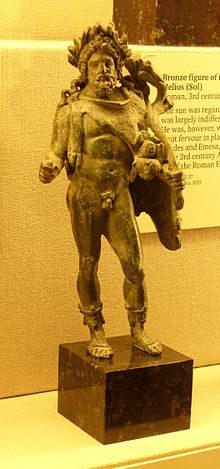
In Roman mythology, Silvanus is recognized as a significant deity associated with the forests, fields, and agricultural lands. He is often regarded as a protector of nature and the rural way of life. Silvanus is deeply connected to the natural world, embodying the spirit of the wild and the fertility of the earth. His role in Roman culture reflects the importance of nature in agricultural societies, where the health of crops and livestock was essential for survival. Understanding Silvanus and his attributes offers insight into the Roman worldview and their reverence for the environment.
The Origins of Silvanus
The origins of Silvanus can be traced back to early Roman religion, where deities were often associated with specific aspects of nature. Silvanus is believed to have roots in the ancient Italian god of the woods, known as Silvanus or Silvani. This connection highlights the importance of forests in ancient Roman life, serving as a source of wood, game, and natural resources. Over time, Silvanus became more integrated into Roman mythology, taking on attributes that aligned with the changing agricultural practices of the time.
 Sol-
Sol-Silvanus was often depicted as a rustic figure, embodying the essence of the wilderness. He was portrayed with a beard and wearing a crown made of leaves, symbolizing his connection to the forests. His image was meant to evoke a sense of harmony with nature, reflecting the Romans’ reliance on the land for sustenance. Additionally, Silvanus was sometimes associated with other deities, such as the god of wine, Bacchus, and the goddess of agriculture, Ceres, further emphasizing his role in the cycle of life and nature.
Silvanus in Roman Culture
In Roman culture, Silvanus was revered as a guardian of the countryside and a protector of the fields. Farmers and laborers often sought his favor to ensure bountiful harvests and the safety of their livestock. Rituals and offerings were made to Silvanus, particularly during the planting and harvest seasons, as a way to invoke his blessings. These practices highlight the strong connection between religion and agriculture in ancient Rome.
 Somnus
Silvanus was also associated with the concept of wildness and untamed nature. While he was a protector of cultivated lands, he also represented the untamed aspects of the wilderness. This duality made him a complex figure in Roman mythology, as he was both a nurturing presence and a reminder of the raw power of nature. The Romans recognized that while they could cultivate the land, they were still subject to the whims of the natural world.
Festivals and Worship
Several festivals were dedicated to Silvanus, celebrating the changing seasons and the agricultural calendar. One of the most notable was the Festival of Silvanus, held in late autumn to honor the end of the harvest. During this festival, farmers would offer sacrifices, typically in the form of fruits and grains, to thank Silvanus for his blessings throughout the growing season. This festival served as a communal gathering, allowing the community to come together in gratitude and celebration.
In addition to communal festivals, individual farmers often made personal offerings to Silvanus. These offerings could include small altars set up in fields or groves, where they would leave food, wine, or even small tokens of appreciation. Such practices demonstrated the personal relationship that individuals sought with Silvanus, emphasizing the importance of gratitude in their agricultural practices. The worship of Silvanus thus became an integral part of the rural lifestyle.
 Sterculius
Silvanus and Other Deities
Silvanus was often linked with other deities in Roman mythology, creating a network of divine figures associated with nature and agriculture. One of the most notable associations was with Ceres, the goddess of agriculture and grain. Ceres was revered for her role in ensuring the fertility of the land, while Silvanus protected the forests and wild lands. Together, they represented the balance between cultivation and the natural world, highlighting the Romans’ understanding of the interconnectedness of these elements.
Another significant figure in Silvanus’s mythology is Bacchus, the god of wine and revelry. The connection between Silvanus and Bacchus reflects the importance of wine in Roman culture, which was often produced in rural areas. Silvanus, as the protector of the fields, ensured that the vines flourished, allowing for the production of wine. This relationship symbolizes the joy and celebration that comes from a bountiful harvest, further emphasizing the significance of nature in Roman festivities.
Silvanus in Literature and Art
Silvanus has been a subject of interest in various forms of literature and art throughout history. In ancient texts, he is often mentioned in relation to pastoral poetry, where poets celebrated the beauty of the countryside and the importance of nature. The works of poets like Virgil and Ovid often included references to Silvanus, highlighting his role as a guardian of the rural landscape. These literary depictions contributed to the cultural significance of Silvanus, reinforcing his status as a beloved figure among the Romans.
In art, Silvanus was frequently depicted in sculptures and mosaics, illustrating his rustic nature and connection to the earth. Artists often portrayed him with natural elements, such as trees, animals, and agricultural tools, symbolizing his role as a protector of the land. These artistic representations not only celebrated Silvanus but also served as a reminder of the importance of nature in Roman society. The visual depiction of Silvanus helped to solidify his place in the collective consciousness of the Roman people.
Modern Interpretations of Silvanus
In modern times, Silvanus continues to be a symbol of the connection between humanity and nature. As environmental concerns have grown, many people have looked back to ancient deities like Silvanus for inspiration in understanding our relationship with the natural world. The reverence for nature that Silvanus embodied resonates with contemporary movements focused on sustainability and environmental conservation. His legacy serves as a reminder of the importance of protecting our natural resources.
Moreover, Silvanus has found a place in popular culture, appearing in various forms of media, literature, and art. His character is often used to represent the themes of nature, fertility, and the balance between civilization and the wild. This modern interpretation reflects a growing awareness of the need to respect and preserve the environment, echoing the values that the Romans held in high regard. Silvanus, as a figure from ancient mythology, remains relevant in discussions about nature and humanity’s role within it.
The Symbolism of Silvanus
The symbolism of Silvanus extends beyond his role as a protector of the land. He embodies the idea of balance in nature, representing the delicate interplay between cultivated fields and untamed wilderness. Silvanus teaches us that while we may seek to control and cultivate the earth, we must also respect its natural rhythms and cycles. This understanding is essential in modern discussions about sustainability and environmental stewardship.
Furthermore, Silvanus symbolizes the concept of fertility and growth, not just in agriculture but in all aspects of life. His connection to the earth signifies the importance of nurturing and caring for our surroundings, as well as our personal relationships. The lessons learned from Silvanus encourage us to cultivate a deeper appreciation for nature and the interconnectedness of all living things.
Silvanus and Nature Conservation
As society becomes more aware of environmental issues, the teachings of Silvanus resonate with contemporary conservation efforts. His role as a guardian of nature serves as a reminder of the importance of protecting our ecosystems and preserving biodiversity. The reverence for Silvanus in ancient Rome highlights the need to honor and respect the natural world, a message that is increasingly relevant today.
Modern conservationists often draw inspiration from the principles embodied by Silvanus. Efforts to restore natural habitats, protect endangered species, and promote sustainable agricultural practices align with the values that Silvanus represented. By understanding and honoring the legacy of Silvanus, we can work towards a more harmonious relationship with nature, ensuring that future generations inherit a healthy and vibrant planet.
Conclusion: The Legacy of Silvanus
Silvanus remains a significant figure in Roman mythology, symbolizing the deep connection between humanity and the natural world. His role as a protector of the forests and fields reflects the importance of nature in ancient Roman culture and continues to inspire modern interpretations of environmental stewardship. As we navigate the challenges of the contemporary world, the lessons from Silvanus serve as a guiding light, reminding us to cherish and protect the earth that sustains us.