
In Roman mythology, the figure of Sol represents the sun. Sol is often depicted as a radiant god, driving a chariot across the sky. This image of Sol is not only significant in the context of Roman religion but also reflects the broader cultural importance of the sun in ancient societies. The Romans, like many other civilizations, revered the sun for its life-giving properties. It was seen as a source of warmth and light, essential for agriculture and daily life. The worship of Sol underscores the connection between natural phenomena and divine beings in Roman mythology.
Origins of Sol in Roman Mythology
The origins of Sol can be traced back to earlier civilizations, particularly the Greeks, who had their own sun god named Helios. However, as the Romans developed their own pantheon, they adapted and transformed many aspects of Greek mythology. In Roman tradition, Sol became a distinct deity, although some characteristics of Helios remained. The Romans often associated Sol with the Greek god Apollo, who was also connected to the sun, music, and prophecy. This merging of attributes illustrates how Roman culture integrated and adapted influences from other civilizations.
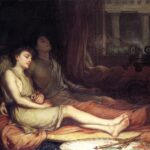 Somnus
In addition to his association with Apollo, Sol was linked to the concept of time. The sun’s daily journey across the sky marked the passage of time, and as such, Sol was often invoked in rituals and ceremonies that focused on timekeeping and agricultural cycles. The Romans developed a calendar that relied heavily on solar cycles, reflecting the importance of Sol in their daily lives. Festivals and celebrations were often scheduled around the solar calendar, further emphasizing the deity’s significance.
Representation and Iconography of Sol
Sol is frequently depicted in art and sculpture as a handsome, youthful figure. He is often shown with a radiant crown or halo, symbolizing the sun’s brightness. One of the most common representations is Sol driving a chariot pulled by four horses, known as the quadriga. This imagery is powerful, as it conveys the idea of the sun moving across the sky with strength and purpose. The chariot itself symbolizes the passage of time and the cyclical nature of day and night.
In Roman mosaics and frescoes, Sol is often accompanied by other celestial bodies, such as the moon goddess Luna. This pairing highlights the duality of day and night, light and darkness. The Romans understood the importance of both the sun and the moon in their agricultural practices, as each had a role in determining the seasons and the growth of crops. Artistic representations of Sol and Luna together symbolize the balance of nature and the interconnectedness of various elements in the universe.
 Sterculius
Worship and Cult of Sol
The worship of Sol was widespread in ancient Rome, with numerous temples and shrines dedicated to the sun god. One of the most notable was the Temple of Sol Invictus, built in the 3rd century AD. This temple was dedicated to the “Unconquered Sun” and became a central place of worship for those who revered Sol. The cult of Sol Invictus gained significant popularity during the reign of Emperor Aurelian, who promoted the sun god as a unifying figure for the Roman Empire.
Festivals dedicated to Sol often coincided with the winter solstice, a time when the days begin to lengthen and the sun’s return is celebrated. These festivals included feasting, games, and various religious rites. The rituals performed during these celebrations aimed to honor Sol and ensure his favor for the coming year. The importance of these festivities reflects the deep-seated belief in the power of the sun and its direct influence on the well-being of the community.
Sol in Literature and Poetry
In Roman literature, Sol is often referenced in poetry and prose, symbolizing various themes such as light, knowledge, and truth. Poets like Virgil and Ovid incorporated the imagery of Sol in their works, using the sun as a metaphor for enlightenment and divine inspiration. In Virgil’s “Aeneid,” for example, the sun is described as a guiding force for the hero Aeneas on his journey. This connection between Sol and guidance highlights the sun’s role as a source of hope and direction in times of uncertainty.
 Strenua
Ovid also explored the character of Sol in his “Metamorphoses,” where he tells the story of Phaethon, the son of Helios. This tale, while originally Greek, was adapted by Roman authors to fit their cultural context. Phaethon’s reckless attempt to drive his father’s chariot leads to chaos, ultimately emphasizing the sun’s power and the consequences of hubris. Such stories serve to illustrate the dual nature of Sol as both a benevolent and potentially destructive force.
Sol’s Influence on Roman Culture
The influence of Sol extended beyond religion and literature into various aspects of Roman culture, including art, architecture, and even politics. The sun god became a symbol of imperial power, with emperors often associating themselves with Sol to legitimize their rule. The idea of the emperor as a divine figure was reinforced through imagery and inscriptions that linked them to Sol. This connection served to elevate the status of the emperor and promote loyalty among the citizens of Rome.
Architecturally, structures dedicated to Sol often featured grand designs and elaborate decorations. The use of sunlight in these buildings was significant, as it represented the divine presence of Sol. Many temples were constructed to maximize the sun’s rays, particularly during solstices and equinoxes. This careful planning reflects the Romans’ understanding of astronomy and their desire to create spaces that honored their gods.
Comparisons with Other Solar Deities
When examining Sol in the context of other mythologies, it is interesting to compare him with solar deities from different cultures. For instance, the Egyptian sun god Ra is one of the most well-known solar deities. Ra was often depicted as a falcon-headed man with a sun disk above his head. Like Sol, Ra was associated with creation, kingship, and the cycle of life and death. The parallels between these deities illustrate a common theme across cultures: the sun as a powerful, life-giving force.
In addition to Ra, the Incan sun god Inti also shares similarities with Sol. Inti was revered as a father figure and was central to Incan agriculture and society. The Incas believed that Inti provided warmth and light necessary for crops to grow. The importance of the sun in agricultural societies is a recurring theme, showcasing the universal recognition of the sun’s role in sustaining life.
Modern Interpretations of Sol
In contemporary culture, the legacy of Sol continues to influence art, literature, and even spiritual practices. Many modern artists draw inspiration from ancient mythology, incorporating the imagery of Sol into their works. This revival of interest in mythological figures reflects a broader trend of seeking connections with ancient wisdom and understanding. The symbolism of the sun as a source of light and life resonates with people today, making Sol a relevant figure in modern storytelling.
Furthermore, the worship of solar deities has seen a resurgence in some spiritual practices. Neo-pagan movements often celebrate the sun and its cycles, drawing from ancient traditions. Rituals that honor Sol may include solstice celebrations, where participants gather to mark the changing of the seasons and acknowledge the sun’s role in their lives. This connection to ancient beliefs highlights the enduring significance of Sol and the sun in human culture.
Sol stands as a prominent figure in Roman mythology, embodying the power and importance of the sun in ancient society. Through his various representations, worship practices, and cultural influence, Sol reflects the deep connection between humanity and the natural world. As we explore the rich tapestry of Roman mythology, Sol serves as a reminder of the reverence ancient peoples held for the celestial forces that shape their lives.