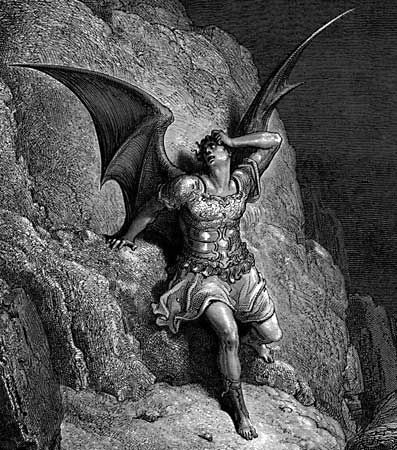
In the realm of religious and mythological studies, the figure of Satan occupies a significant and complex position. Often depicted as the embodiment of evil and opposition, Satan’s origins and interpretations vary widely across different cultures and belief systems. This article explores the multifaceted nature of Satan, focusing on his role as a fallen angel within various religious contexts, primarily in Christianity, Judaism, and Islam. By delving into the historical, theological, and literary aspects of this enigmatic figure, we can better understand how Satan has been perceived and represented throughout the ages.
The Origins of Satan
The concept of Satan can be traced back to ancient texts, where he is often portrayed as an adversary or accuser. In the Hebrew Bible, the term “satan” appears in the book of Job, where it refers to a celestial being who challenges the faith of humans. This role as an accuser is fundamental to understanding the character of Satan. Unlike the modern conception of an evil being, the original portrayal of Satan was more nuanced, depicting him as a servant of God tasked with testing the faith of humans. This duality reflects the complexities of moral and ethical challenges faced by believers.
 Seere
SeereAs the narratives evolved, particularly with the advent of Christianity, Satan began to take on a more sinister role. Early Christian writings, including the New Testament, further develop the character of Satan as a force of temptation and deception. The Gospels often depict him as a tempter, seeking to lead individuals away from God. This transformation from a celestial accuser to a malevolent figure is crucial in understanding how the perception of Satan has changed over time. The development of this character has had a lasting impact on religious thought and cultural depictions of evil.
Satan in Christianity
In Christian theology, Satan is often identified with the devil, a being that opposes God and leads humanity into sin. This identification is rooted in various biblical passages, such as Revelation 12:9, which describes Satan as a “great dragon” and “the ancient serpent.” These descriptions contribute to the image of Satan as a powerful and cunning adversary. Furthermore, the New Testament emphasizes Satan’s role in the temptation of Jesus, where he attempts to persuade Jesus to abandon his mission. This encounter highlights the ongoing struggle between good and evil, a central theme in Christian belief.
Christianity also introduces the concept of original sin, which is closely associated with Satan’s influence. According to this doctrine, humanity’s fall from grace is linked to the actions of Satan in the Garden of Eden, where he tempts Eve to eat the forbidden fruit. This narrative not only establishes Satan as the source of temptation but also reinforces the idea of human vulnerability to sin. The depiction of Satan in Christianity serves to illustrate the moral and spiritual battles that individuals face in their lives, emphasizing the need for faith and divine guidance.
 Semyaza
Key Biblical References
- Job 1:6-12: Satan as the accuser
- Matthew 4:1-11: The temptation of Jesus
- Revelation 12:9: Satan as the dragon
- Genesis 3:1-5: The temptation of Eve
Throughout Christian literature, Satan’s character has been further explored by theologians and writers. Works such as John Milton’s “Paradise Lost” provide a literary examination of Satan’s rebellion against God. Milton portrays Satan as a tragic figure, whose pride and ambition lead to his downfall. This depiction adds depth to the understanding of Satan, presenting him not merely as an evil entity but as a complex character grappling with issues of free will and rebellion. Such interpretations have influenced both religious thought and popular culture, shaping how Satan is viewed in contemporary society.
Satan in Judaism
In Judaism, the concept of Satan is less defined compared to Christianity. The Hebrew Bible presents Satan as a title rather than a singular being. In the book of Job, for instance, Satan is referred to as “the satan,” indicating his role as an accuser or adversary. This portrayal emphasizes the idea that Satan operates under God’s authority, serving as a means to test the faith and righteousness of individuals. The Jewish understanding of Satan is more aligned with the concept of an obstacle rather than an embodiment of evil, which sets it apart from later Christian interpretations.
Jewish texts, such as the Talmud, further elaborate on the role of Satan, describing him as an agent of temptation and a necessary part of God’s creation. This perspective suggests that Satan has a purpose within the divine plan, contributing to the moral development of humanity. The absence of a singular evil figure in Judaism allows for a more nuanced understanding of good and evil, focusing on human agency and the choices individuals make in their lives. This distinction highlights the varying interpretations of Satan across different religious traditions.
 Shax
ShaxKey Textual References in Judaism
- Job 1:6-12: The role of Satan as the accuser
- Zohar: Satan as a necessary force in the universe
- Talmud: Discussions on the nature of evil and temptation
The Jewish approach to Satan also emphasizes the importance of repentance and moral responsibility. Unlike the Christian notion of an eternal struggle against a malevolent being, Judaism encourages individuals to confront their own failings and seek forgiveness. This perspective fosters a sense of personal accountability, highlighting the belief that individuals have the power to choose their paths and overcome challenges. The portrayal of Satan in Judaism serves to remind believers of the complexities of human nature and the importance of ethical living.
Satan in Islam
In Islam, Satan is known as Iblis or Shaytan, and his story is similar yet distinct from the Judeo-Christian narrative. According to Islamic teachings, Iblis was a devout worshiper of God who was cast out of paradise for refusing to bow to Adam. This act of disobedience marks Iblis as a rebellious figure, leading to his role as a tempter and deceiver of humanity. The Qur’an presents Iblis as a being who seeks to lead people astray, challenging their faith and commitment to God.
The Islamic perspective on Satan emphasizes the idea of free will and personal responsibility. Believers are taught that Iblis can only tempt them; ultimately, it is their choice to succumb to these temptations. This understanding reinforces the notion that individuals are accountable for their actions and must strive to resist the influence of evil. The relationship between humanity and Iblis is characterized by a continuous struggle, echoing the themes found in both Christianity and Judaism.
Key Qur’anic References
- Surah Al-Baqarah 2:34: Iblis’s refusal to bow to Adam
- Surah Al-A’raf 7:11-18: The story of Iblis’s challenge
- Surah Al-Nas 114: Seeking refuge from evil
Islamic teachings also emphasize the importance of seeking refuge in God from the whispers of Iblis. Prayers and rituals are prescribed to help believers remain steadfast in their faith and resist temptation. The concept of spiritual warfare against Iblis serves as a reminder of the ongoing struggle between good and evil, encouraging individuals to cultivate a strong relationship with God. This portrayal of Satan within Islam contributes to the broader understanding of the dynamics of faith and morality in religious life.
Cultural Representations of Satan
The figure of Satan has transcended religious texts and entered the realm of culture and literature. Over the centuries, various artists, writers, and filmmakers have drawn inspiration from the character of Satan, often portraying him in diverse and sometimes contradictory ways. From classical literature to modern cinema, Satan has been depicted as everything from a tragic anti-hero to a malevolent force of chaos. These representations reflect societal attitudes toward evil and morality, often serving as a commentary on human nature.
In literature, works such as Dante Alighieri’s “Inferno” and Goethe’s “Faust” explore the theme of temptation and the consequences of one’s choices. Dante’s portrayal of Satan in the depths of Hell emphasizes the idea of divine justice, while Goethe’s Faust presents a more sympathetic view of the struggle between ambition and morality. These literary explorations illustrate the complexities of the Satanic figure, highlighting the tension between good and evil and the human experience of temptation.
Examples of Cultural Representations
- Dante’s “Inferno”: Satan as the embodiment of punishment
- Goethe’s “Faust”: A tragic exploration of ambition and temptation
- Modern films: Diverse portrayals of Satan in horror and fantasy genres
In contemporary culture, Satan often appears in horror films and popular media, reflecting society’s fears and fascinations with evil. Movies like “The Exorcist” and “Rosemary’s Baby” tap into the primal fears associated with possession and malevolence, often depicting Satan as a manipulative force seeking to corrupt innocence. These portrayals, while sensationalized, speak to the enduring relevance of the Satan figure in understanding the darker aspects of human existence.
Psychological Interpretations of Satan
Beyond religious and cultural representations, the figure of Satan has also been examined through a psychological lens. Some psychologists and scholars have explored the symbolic meaning of Satan as a representation of the darker aspects of the human psyche. This perspective suggests that Satan embodies the internal struggles individuals face, including desires, fears, and moral dilemmas. By confronting these darker elements, individuals can achieve personal growth and self-awareness.
In this context, Satan can be seen as a metaphor for the human condition, representing the conflicts between desire and morality. Carl Jung, a prominent psychologist, emphasized the importance of integrating the shadow self, which encompasses the repressed and darker aspects of personality. By acknowledging and confronting these elements, individuals can achieve a more balanced and authentic self. This psychological interpretation of Satan encourages individuals to reflect on their inner struggles and the choices they make in their lives.
Key Psychological Concepts
- The shadow self: Embracing the darker aspects of personality
- Conflict between desire and morality
- Personal growth through self-awareness
This psychological approach to understanding Satan aligns with the broader themes of human experience, emphasizing the importance of self-exploration and the complexities of moral decision-making. By recognizing the symbolic significance of Satan, individuals can gain insight into their own struggles and motivations, ultimately fostering a deeper understanding of themselves and their place in the world.
The Legacy of Satan
The figure of Satan continues to resonate across cultures and belief systems, serving as a powerful symbol of the eternal struggle between good and evil. His portrayal has evolved over time, reflecting changing societal attitudes and beliefs. As a result, Satan has become a multifaceted character, embodying various themes related to morality, temptation, and human nature. This legacy persists in contemporary discussions about morality and ethics, as individuals grapple with the complexities of their own choices and the influences that shape their lives.
In modern society, discussions about Satan often extend beyond religious contexts, touching on philosophical and ethical considerations. The figure of Satan raises questions about the nature of evil, free will, and the consequences of one’s actions. As individuals navigate the challenges of contemporary life, the lessons drawn from the narratives surrounding Satan can provide valuable insights into the human experience. The ongoing relevance of Satan in literature, film, and psychology underscores the enduring fascination with this complex character.
Contemporary Discussions
- Ethical dilemmas and moral choices
- The nature of evil in society
- The role of temptation in human behavior
Ultimately, the legacy of Satan serves as a reminder of the complexities of the human experience. Whether viewed through a religious, cultural, or psychological lens, the figure of Satan invites individuals to confront their own beliefs and values. By engaging with the narratives surrounding Satan, individuals can cultivate a deeper understanding of themselves and the moral choices they face in their lives. This exploration not only enriches personal insight but also contributes to the broader dialogue about the nature of good and evil in the world.