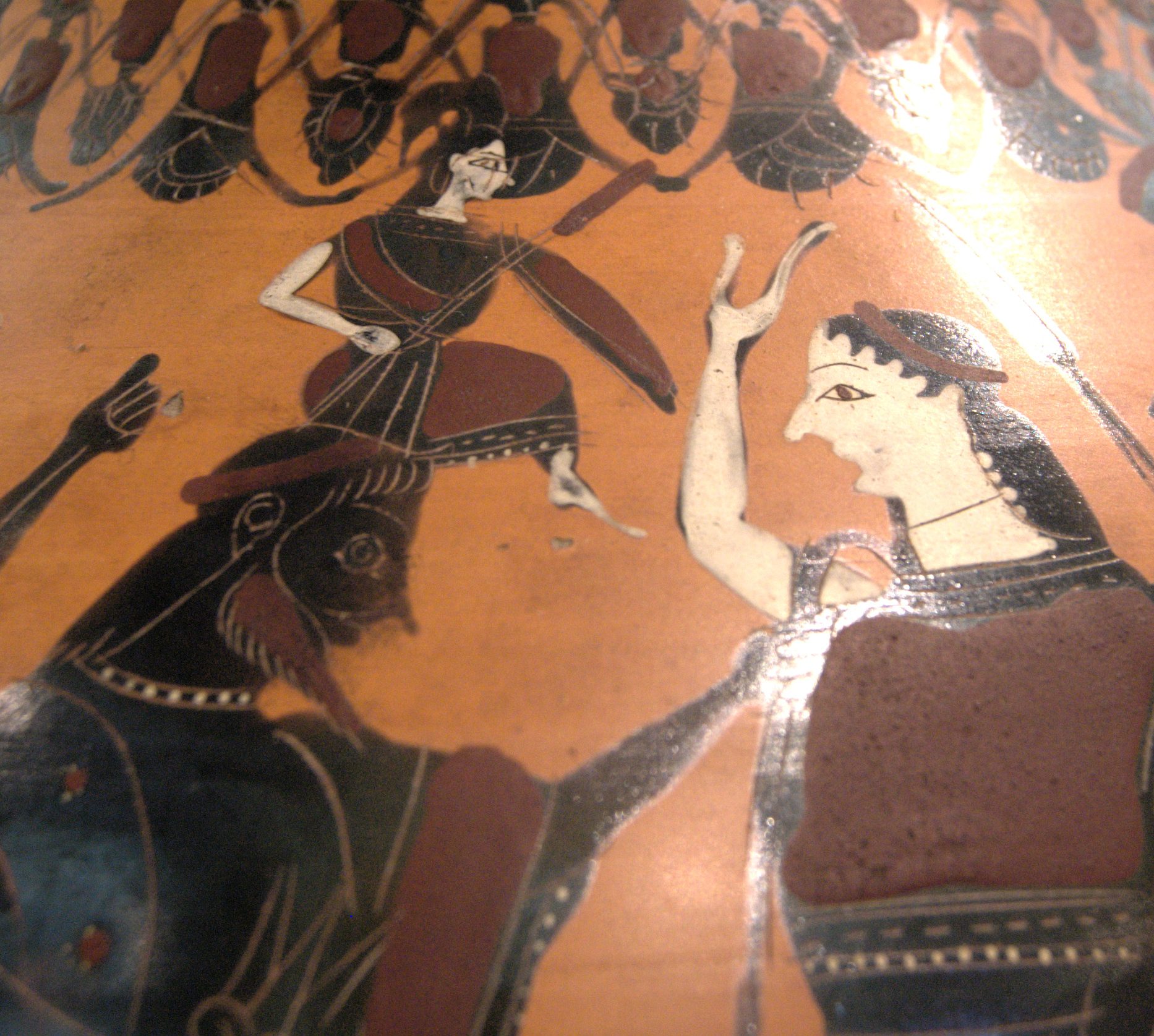
In Greek mythology, Ilithyia is a significant figure associated with childbirth and labor. She is often depicted as a goddess who aids women during the intense moments of giving birth. The origins of Ilithyia can be traced back to various ancient texts, where her role is crucial in the context of maternity and the struggles women face during labor. Her presence is believed to provide comfort and support, making her a revered figure among women in ancient Greece.
The Role of Ilithyia in Childbirth
Ilithyia’s primary function is to assist women during childbirth. According to mythology, she was invoked by women in labor to ease their pain and ensure a safe delivery. This connection to childbirth made her an essential figure in the lives of expectant mothers. Ancient Greek women would often call upon Ilithyia, hoping for her divine intervention to facilitate the birthing process.
 Eirene
In many stories, Ilithyia is described as having the ability to influence the outcome of childbirth. Her presence could either hasten or delay the process of labor, depending on the needs of the mother. This duality in her role signifies her importance in the cycle of life, as she plays a critical part in bringing new life into the world.
Ilithyia and Other Deities
Ilithyia is often mentioned alongside other deities who share similar responsibilities. For instance, she is frequently associated with Hera, the queen of the gods, who is also linked to marriage and childbirth. Their relationship highlights the communal aspect of motherhood in Greek mythology, where different deities work together to support women in their most vulnerable moments.
- Hera: Often called upon for blessings during marriage and childbirth.
- Athena: Sometimes associated with wisdom in motherhood.
- Artemis: The goddess of the hunt, also connected to childbirth and women’s health.
These connections illustrate the multifaceted nature of female divinity in Greek mythology, where each goddess contributes uniquely to the experience of motherhood. Ilithyia’s role, while specific, is part of a larger tapestry of divine support that women could rely on during childbirth.
 Electra
Ilithyia’s Symbolism
Ilithyia is often represented by specific symbols that reflect her association with childbirth. One of the most common symbols is the torch, which represents the light and guidance she provides during the difficult journey of labor. The torch serves as a metaphor for hope and enlightenment, signifying that even in the darkest moments of childbirth, Ilithyia is there to illuminate the path.
Additionally, Ilithyia is sometimes depicted with a wreath or floral garlands, symbolizing fertility and the beauty of new life. Flowers have long been associated with femininity and fertility, making them a fitting representation of a goddess who is central to the creation of life. This connection to nature emphasizes the nurturing aspect of Ilithyia’s character, as she embodies the essence of motherhood.
Worship and Rituals
 Electra-
The worship of Ilithyia was an integral part of ancient Greek society, particularly among women. Rituals dedicated to her often took place in temples or during specific festivals focused on fertility and childbirth. Women would gather to pray for her assistance, offering sacrifices and performing rituals to gain her favor. These gatherings served as a form of community support, allowing women to share their experiences and fears related to childbirth.
- Prayers: Women would recite prayers invoking Ilithyia’s aid during labor.
- Offerings: Common offerings included flowers, fruits, and small animals.
- Celebrations: Festivals honoring Ilithyia often featured music and dance.
These rituals not only honored Ilithyia but also created a sense of solidarity among women. They provided a space for sharing stories, advice, and comfort, reinforcing the idea that childbirth, while a personal experience, is also a communal journey.
Ilithyia in Literature and Art
Ilithyia’s presence is evident in various ancient texts and artistic representations. In literature, she is mentioned in works by authors such as Homer and Hesiod, who highlight her role in the lives of women. These texts often depict her as a compassionate figure, ready to assist those in need. Her character embodies the hopes and fears of mothers, making her a relatable and important figure in mythology.
In art, Ilithyia is portrayed in various forms, often depicted as a beautiful woman surrounded by symbols of fertility. Artists captured her essence by illustrating her with flowers, torches, and other motifs associated with childbirth. These artistic representations served not only as depictions of a goddess but also as reminders of the divine support available to women during childbirth.
Ilithyia’s Influence on Modern Culture
The legacy of Ilithyia extends beyond ancient Greece, influencing modern culture and perceptions of childbirth. Her character represents the universal struggles of women during labor, resonating with contemporary themes of motherhood and femininity. In many ways, Ilithyia serves as a symbol of empowerment for women, reminding them of the strength and resilience inherent in the process of bringing new life into the world.
- Literature: Modern authors often reference Ilithyia in discussions about childbirth.
- Art: Contemporary artists draw inspiration from her imagery to celebrate motherhood.
- Feminism: Ilithyia is embraced as a symbol of women’s strength and solidarity.
By invoking her name and imagery, modern society acknowledges the challenges women face during childbirth while celebrating their strength and resilience. Ilithyia’s story continues to inspire and empower women, serving as a reminder of the divine support available to them.
Conclusion of Ilithyia’s Mythology
Ilithyia remains a powerful figure in Greek mythology, embodying the complexities of motherhood and the challenges of childbirth. Her role as a goddess of labor highlights the importance of divine support during one of life’s most significant moments. Through worship, literature, and art, Ilithyia’s influence persists, reminding us of the strength and resilience of women throughout history.
Her legacy serves as a testament to the communal aspects of childbirth and the divine connection that women have sought for centuries. In understanding Ilithyia, we gain insight into the values and beliefs of ancient Greek society regarding motherhood and the divine feminine.