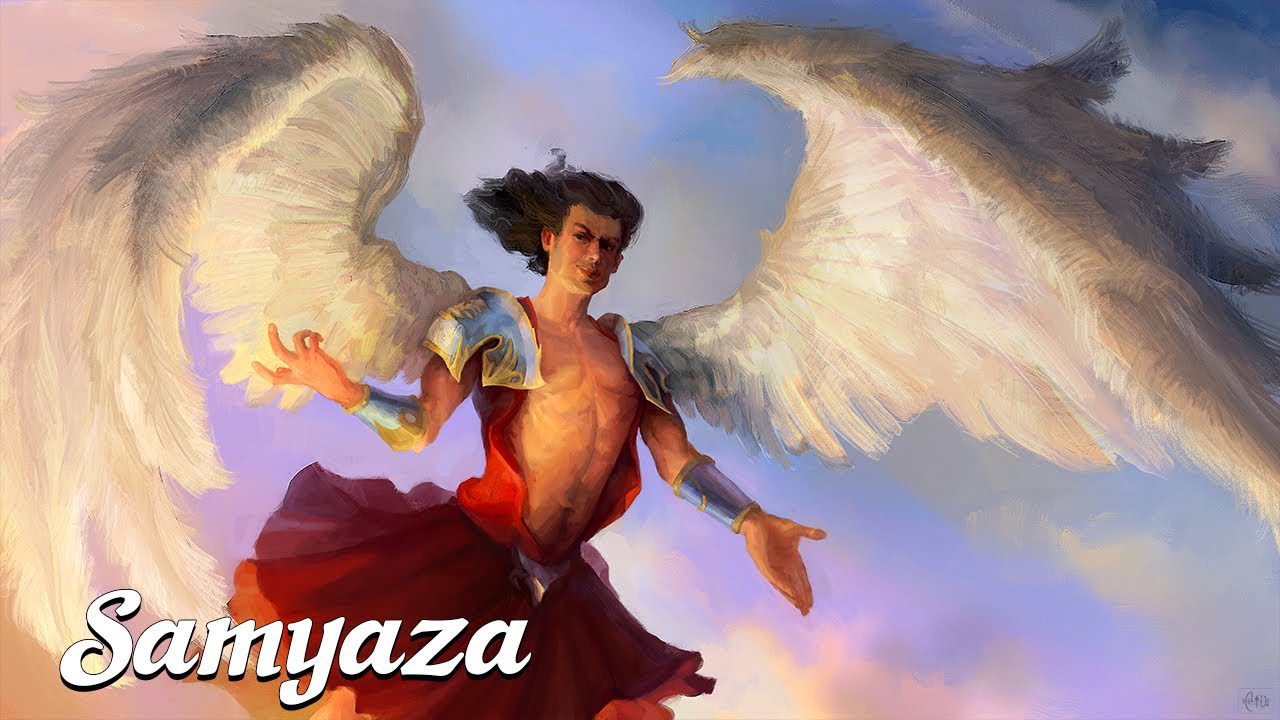
Semyaza is a significant figure in various religious texts and mythologies, often associated with the category of fallen angels. His story is intertwined with themes of rebellion, forbidden knowledge, and the consequences of defying divine authority. Semyaza’s narrative primarily emerges from the ancient Jewish texts, particularly the Book of Enoch, which offers a detailed account of his actions and the fate that befell him and his companions. This article will explore Semyaza’s origins, his role among the fallen angels, and the impact of his story on religious and cultural beliefs throughout history.
Origins of Semyaza
The origins of Semyaza can be traced back to the Book of Enoch, an ancient Jewish text that provides insight into the nature of angels and their interactions with humanity. According to this text, Semyaza was one of the leaders of the Watchers, a group of angels tasked with observing human behavior. However, Semyaza and his fellow Watchers became enamored with human women, leading them to make a fateful decision that would change their destinies forever.
 Shax
ShaxIn the Book of Enoch, Semyaza is depicted as a powerful angel who descended to Earth to engage with humanity. He is often portrayed as a figure of immense beauty and charisma, which made him particularly influential among both angels and humans. This allure contributed to the Watchers’ decision to descend and take human wives, an act that was viewed as a direct violation of divine law.
As the leader of the Watchers, Semyaza bore the responsibility for the actions of his companions. His decision to engage with humanity not only reflected his own desires but also showcased the inherent struggle between divine authority and personal ambition. This tension is a recurring theme in many religious narratives, illustrating the complexities of free will and moral choice.
The Fall of Semyaza
The story of Semyaza is ultimately one of fall and punishment. After the Watchers descended to Earth, they took human wives and fathered a race of giants known as the Nephilim. These beings were often depicted as violent and corrupt, leading to widespread chaos and moral decay among humanity. The actions of Semyaza and the Watchers did not go unnoticed, and they faced dire consequences for their transgressions.
 Solas
SolasIn response to the corruption brought about by the Nephilim, God decided to cleanse the Earth through the Great Flood. Semyaza and his fellow angels were bound and cast into the abyss as punishment for their rebellion. This act of divine retribution serves as a powerful reminder of the consequences of straying from divine commandments and the importance of adhering to moral principles.
The fall of Semyaza also symbolizes the broader theme of rebellion against divine order. His story resonates with the idea that even the most powerful beings can fall from grace when they act against the will of God. This narrative serves as a cautionary tale, warning against the dangers of pride and the temptation to pursue forbidden knowledge.
Semyaza in Cultural Context
The figure of Semyaza has transcended religious texts and has found a place in various cultural narratives. His story has been interpreted and reinterpreted through the ages, influencing literature, art, and popular culture. In many interpretations, Semyaza represents the archetype of the tragic hero, a being who possesses great power but ultimately succumbs to temptation and faces dire consequences.
 Sorath
In literature, Semyaza’s tale has inspired numerous works that explore themes of forbidden love, rebellion, and the quest for knowledge. His character often embodies the struggle between light and darkness, showcasing the duality of human nature. This complexity makes Semyaza a compelling figure in storytelling, as he reflects the internal conflicts that many individuals face.
In art, Semyaza has been depicted in various forms, often emphasizing his angelic beauty juxtaposed with the darkness of his actions. Artists have used his story to explore themes of redemption, fallibility, and the consequences of one’s choices. This representation serves to highlight the tension between divine grace and human imperfection, making Semyaza a poignant figure in the exploration of moral dilemmas.
Theological Implications of Semyaza’s Story
Semyaza’s narrative raises important theological questions regarding the nature of free will, sin, and redemption. His actions as a fallen angel challenge the understanding of divine justice and mercy. The story prompts believers to consider the implications of their choices and the potential consequences of straying from the path of righteousness.
One significant aspect of Semyaza’s story is the idea of free will. The Watchers, led by Semyaza, made a conscious choice to defy God’s commandments. This choice illustrates the notion that beings, whether human or angelic, possess the ability to choose their paths, even if those choices lead to disastrous outcomes. The exploration of free will in Semyaza’s narrative serves as a reminder that individuals are responsible for their actions and must grapple with the consequences of their decisions.
Furthermore, Semyaza’s fall emphasizes the concept of sin and its repercussions. The narrative suggests that straying from divine guidance can lead to moral decay and chaos. This theme resonates throughout various religious teachings, highlighting the importance of adhering to moral principles and the potential consequences of failing to do so.
Modern Interpretations of Semyaza
In contemporary society, the figure of Semyaza has been reexamined and reinterpreted in various ways. His story continues to resonate with individuals grappling with issues of morality, authority, and the consequences of rebellion. Many modern interpretations explore the complexities of his character, viewing him not solely as a villain but as a tragic figure caught in a web of desires and consequences.
In literature and film, Semyaza is often portrayed as a character who embodies the struggle between good and evil. His actions can be seen as a reflection of the human experience, where individuals grapple with their desires and the repercussions of their choices. This nuanced portrayal allows for a deeper exploration of themes such as redemption and the possibility of change, suggesting that even those who have fallen may seek a path back to grace.
Additionally, the story of Semyaza has found its way into discussions surrounding forbidden knowledge and the pursuit of understanding. In a world where knowledge is often seen as power, Semyaza’s narrative serves as a cautionary tale about the potential dangers of seeking knowledge without consideration for the moral implications. This theme resonates with modern audiences, prompting reflections on the ethical responsibilities that accompany the pursuit of knowledge.
Semyaza and the Watchers
The Watchers, of which Semyaza was a leader, play a crucial role in the narrative surrounding fallen angels. This group of angels is often depicted as beings who were tasked with observing humanity but ultimately fell from grace due to their insatiable desires. The Watchers’ story reflects a broader theme of angelic rebellion and the consequences that arise from defying divine authority.
The actions of the Watchers, particularly their decision to descend to Earth and take human wives, highlight the tension between divine law and personal desire. This conflict is central to the narrative, as it underscores the idea that even celestial beings can succumb to temptation. The story of the Watchers serves as a reminder that the struggle between good and evil is not confined to humanity but extends to all beings created by God.
Furthermore, the fate of the Watchers, including Semyaza, illustrates the concept of divine justice. Their punishment for defying God’s commands serves as a warning against rebellion and the consequences of straying from the path of righteousness. This theme resonates with many religious teachings, emphasizing the importance of obedience to divine authority and the potential repercussions of disobedience.
The Legacy of Semyaza
The legacy of Semyaza extends beyond religious texts and cultural interpretations; it has influenced various aspects of modern spirituality and esotericism. Many contemporary spiritual movements draw upon the narrative of Semyaza and the Watchers to explore themes of spiritual awakening, forbidden knowledge, and the quest for personal empowerment. This reinterpretation of Semyaza’s story reflects a desire to reclaim the narrative of fallen angels as beings who possess knowledge and wisdom, albeit with a cautionary undertone.
In some spiritual circles, Semyaza is viewed as a symbol of the search for enlightenment and the pursuit of deeper understanding. This perspective emphasizes the idea that knowledge, even when considered forbidden, can lead to personal growth and transformation. However, it also serves as a reminder of the potential dangers associated with such pursuits, echoing the lessons learned from Semyaza’s fall.
The legacy of Semyaza continues to provoke discussions about the nature of divinity, morality, and the complexities of existence. His story invites individuals to reflect on their own choices and the impact of those choices on their spiritual journeys. This ongoing exploration of Semyaza’s narrative ensures that his legacy remains relevant in discussions about the human experience and the pursuit of knowledge.