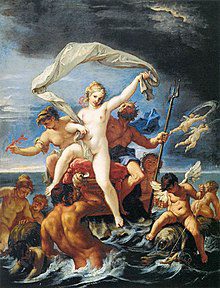
Salacia is a fascinating figure in Roman mythology, known as the goddess of the sea and wife of Neptune, the god of the oceans. She embodies the beauty and power of the sea, often associated with the calm and serene aspects of ocean waters. In Roman culture, Salacia was revered for her protective qualities over sailors and her ability to provide bountiful resources from the sea. Her character is often compared to other water deities in various mythologies, showcasing the universal reverence for the ocean and its mysteries.
The Origins of Salacia
The origins of Salacia can be traced back to ancient Roman beliefs about the natural world. The Romans, like many ancient cultures, held a deep respect for the forces of nature, particularly the sea. Salacia was often depicted as a beautiful woman, symbolizing the allure of the ocean. Her name itself is derived from the Latin word “sal,” which means salt, a fundamental element of the sea. This connection highlights her integral role in the maritime culture of ancient Rome.
 Salus
SalusSalacia’s mythology is intertwined with that of Neptune, who was one of the most powerful gods in the Roman pantheon. According to myth, Neptune was enamored by Salacia and sought her hand in marriage. Their union was celebrated in various rituals and festivals, emphasizing the importance of water in agriculture, trade, and transportation. The Romans believed that honoring Salacia would ensure safe voyages and plentiful catches for fishermen, making her a significant figure in their daily lives.
Salacia and Neptune
The relationship between Salacia and Neptune is one of the most intriguing aspects of her mythology. Neptune, as the god of the sea, represented the chaotic and tempestuous nature of the ocean, while Salacia personified its tranquil and nurturing side. This duality reflects the complex relationship humans have with the sea, which can be both a source of life and a force of destruction. Together, they symbolize the balance between these opposing forces, reminding us of the sea’s beauty and danger.
In artistic representations, Salacia is often shown alongside Neptune, riding in a chariot pulled by sea horses or other marine creatures. These images convey the grandeur of their divine union and the importance of both deities in Roman culture. Their marriage was not just a personal relationship but also a symbol of harmony between the earth and the sea, a theme that resonated deeply with the Romans, who relied on the ocean for trade and sustenance.
 Saritor
Worship and Festivals
The worship of Salacia was an integral part of Roman religious practices. Although she did not have as many temples or festivals dedicated solely to her as Neptune, Salacia was still honored in various ceremonies, particularly those related to the sea. Fishermen and sailors would often pray to her before embarking on their voyages, seeking her protection and favor. Rituals included offerings of fruits, flowers, and even small figurines, all intended to please the goddess.
- Prayers for safe voyages
- Offerings of fruits and flowers
- Festivals celebrating the sea
One of the most notable festivals that honored both Salacia and Neptune was the Neptunalia, celebrated during the summer months. This festival involved various activities, including feasting, games, and processions. During Neptunalia, the Romans would create makeshift shelters near water sources, symbolizing the protection of Neptune and Salacia over their harvests and fishing activities. Such celebrations were essential in fostering community ties and reinforcing the cultural significance of these deities.
Symbolism and Representation
Salacia’s symbolism extends beyond her role as a goddess of the sea. She represents the fertility of the ocean, the bounty it provides, and the need for respect and reverence toward nature. In Roman art, she is often depicted with elements that signify water and abundance, such as shells, fish, and waves. These representations serve to remind the viewers of the ocean’s vital role in sustaining life and the importance of maintaining a harmonious relationship with the environment.
 Saturnus
In literature, Salacia is sometimes portrayed as a nurturing figure, embodying the caring aspects of motherhood. This portrayal emphasizes her role as a protector of those who depend on the sea for their livelihood. Her nurturing nature can be seen in various myths where she assists sailors and fishermen, guiding them to safe harbors or providing abundant catches. This protective quality highlights the deep connection between the goddess and the people who revere her.
Comparisons with Other Mythologies
When examining Salacia within the context of global mythology, it is interesting to note the similarities and differences with other sea deities. For instance, in Greek mythology, there is a goddess named Amphitrite, who is also associated with the sea and is considered the wife of Poseidon, the Greek equivalent of Neptune. Both Salacia and Amphitrite embody the beauty and mystery of the ocean, yet their stories and cultural significance differ in various ways.
- Salacia: Roman goddess of the sea
- Amphitrite: Greek goddess of the sea
- Yemaya: African goddess of the sea
Another interesting comparison is with Yemaya, a goddess in African mythology, who is also associated with the sea and motherhood. Yemaya is often depicted as a nurturing figure, similar to Salacia, who protects her children and provides for them. This universal theme of a maternal figure linked to the sea reflects the deep-rooted human connection to water as a source of life, nourishment, and protection.
Salacia in Modern Culture
In modern times, Salacia’s influence can still be seen in various aspects of culture, from literature to art. While she may not be as widely recognized as other mythological figures, her essence continues to inspire artists and writers. Many contemporary works reference Salacia or draw inspiration from her character, particularly in stories that explore the relationship between humanity and the sea. Her representation often serves as a reminder of the beauty and power of nature, encouraging a deeper appreciation for the environment.
Additionally, Salacia has found her way into popular culture, appearing in various forms of media, including films, books, and video games. Her character is often depicted in ways that highlight her connection to the sea and her protective nature. These modern interpretations help keep the mythology alive and introduce her to new audiences, fostering a renewed interest in Roman mythology and its rich tapestry of deities.
Environmental Significance
The story of Salacia is not only about mythology; it also carries important messages about our relationship with the environment. In an age where climate change and ocean pollution are pressing issues, Salacia’s character can serve as a symbol of the need to protect our seas and oceans. Her nurturing qualities remind us of the importance of preserving marine ecosystems and the resources they provide. By drawing inspiration from Salacia, we can foster a deeper understanding of the need for environmental stewardship.
- Protecting marine ecosystems
- Addressing climate change
- Promoting sustainability
Moreover, the reverence that ancient cultures held for deities like Salacia can inspire contemporary movements aimed at environmental protection. By recognizing the interconnectedness of all life and the vital role that the ocean plays in our ecosystem, we can take meaningful action to safeguard our planet. Salacia’s legacy serves as a reminder that the beauty and bounty of the sea must be respected and preserved for future generations.
Salacia, as a goddess of the sea, embodies the rich traditions and beliefs of ancient Roman culture. Her relationship with Neptune, her symbolism, and her representation in art and literature highlight the deep connection that humans have with the ocean. As we continue to explore her mythology, we find lessons that resonate with our modern lives, particularly in terms of environmental awareness and stewardship. Salacia’s legacy serves as a bridge between the past and the present, reminding us of the timeless importance of respecting and caring for the natural world.