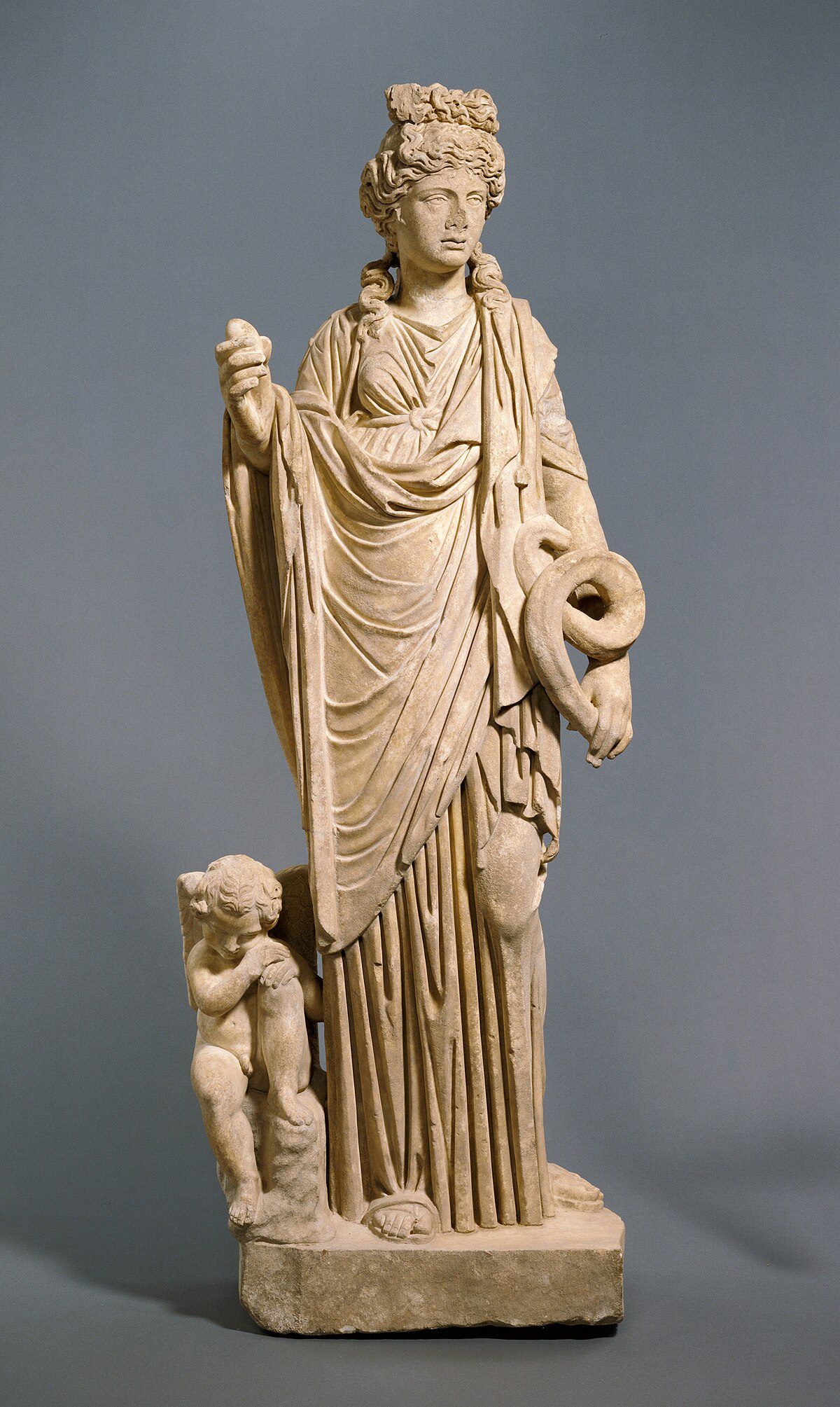
In Roman mythology, Salus is the goddess of health and well-being. She embodies the concept of health not only in a physical sense but also in a mental and emotional context. Salus is often depicted as a nurturing figure, emphasizing the importance of well-being in everyday life. The Romans believed that maintaining good health was crucial for personal success and the prosperity of the state. As a result, Salus played a significant role in their culture and religious practices.
The Origins of Salus
The origins of Salus can be traced back to earlier traditions in both Greek and Roman cultures. In Greek mythology, her counterpart is Hygieia, the daughter of Asclepius, the god of medicine. Just like Hygieia, Salus represents the idea of health and cleanliness. The Romans adopted many Greek deities, and Salus became an essential figure in their pantheon. Her name is derived from the Latin word “salus,” which translates to “health” or “well-being.”
 Saritor
Salus was often associated with the healing arts and the practice of medicine. The Romans believed that she protected them from illness and misfortune. Her worship included various rituals and offerings, aimed at ensuring good health for individuals and the community. Salus was revered in public and private life, highlighting the Romans’ deep concern for health and wellness.
Symbols and Depictions
Salus is commonly depicted in various forms of Roman art. She is often shown holding a staff or a snake, which symbolizes healing and protection. The staff represents authority and the ability to heal, while the snake is a symbol of rejuvenation and renewal. These symbols are significant as they emphasize her role as a goddess who brings health and vitality to those who seek her aid.
 Saturnus
In many depictions, Salus is portrayed as a beautiful woman, dressed in flowing robes. She often appears surrounded by children, symbolizing the importance of health in the younger generation. The presence of children in her imagery signifies hope and the future of society, as a healthy population is essential for a thriving community.
Salus in Roman Religion
Salus was an integral part of the Roman religious system. The Romans built temples in her honor, where people would come to pray for good health and well-being. One of the most famous temples dedicated to Salus was located on the Quirinal Hill in Rome. This temple served as a place of worship where the Romans could seek her blessings.
Rituals and ceremonies dedicated to Salus often included offerings of food, flowers, and incense. These offerings were made with the hope of gaining her favor and ensuring the health of the community. Additionally, the Romans held festivals in her honor, celebrating health and wellness. These events often included games, feasts, and public gatherings that reinforced the importance of health in Roman society.
 Sibyl-of-cumae-
Salus and Public Health
Salus was not only a personal deity but also a symbol of public health in ancient Rome. The Romans understood the connection between individual health and the overall well-being of society. As a result, Salus was often invoked in matters of public health, such as during times of plague or disease outbreaks. The government and health officials would seek her protection and guidance in their efforts to combat illness.
Public health initiatives in ancient Rome were often associated with Salus. The Romans constructed aqueducts to provide clean water, established public baths, and promoted hygiene practices, all in the name of maintaining health. These efforts were seen as a way to honor Salus and ensure her continued protection over the people. The emphasis on public health reflects the Romans’ understanding that a healthy population was vital for the strength and stability of the empire.
Salus in Literature and Art
Salus has been mentioned in various works of Roman literature, where she is often invoked in prayers and poems. Roman poets and writers admired her qualities and sought her favor for good health. Her presence in literature highlights the importance of health in Roman culture and the reverence the people had for their deities.
In art, Salus is frequently depicted alongside other gods and goddesses. Her imagery is often combined with themes of prosperity and abundance, reinforcing the idea that health is intertwined with overall well-being. Artists throughout history have portrayed her in various styles, from classical sculptures to Renaissance paintings, reflecting her enduring significance in the cultural consciousness.
Modern Influence of Salus
The influence of Salus can still be seen in modern society. The concepts of health and well-being that she represents are more relevant than ever. In contemporary culture, there is a growing awareness of the importance of maintaining good health, both physically and mentally. This modern understanding echoes the ancient Romans’ reverence for Salus and their commitment to health.
Many health organizations and initiatives today draw inspiration from the values embodied by Salus. Public health campaigns promote wellness, hygiene, and preventative care, reflecting the goddess’s legacy. Moreover, the ongoing emphasis on mental health aligns with Salus’s role as a protector of emotional well-being, showcasing the timeless relevance of her teachings.
Salus, as the Roman goddess of health, holds a significant place in mythology and culture. Her influence extends beyond ancient times, impacting modern perspectives on health and well-being. By understanding her role in Roman society, we can appreciate the importance of health in our own lives and the continued relevance of her legacy.