
The figure of Euryale stands out in the vast tapestry of Greek mythology. She is one of the Gorgons, which are three sisters known for their terrifying appearance and their ability to turn anyone who looks at them into stone. Euryale, along with her sisters Stheno and Medusa, represents a fascinating aspect of ancient Greek stories that blend horror, beauty, and the complexities of female power. Unlike her sisters, Euryale is often portrayed as a figure of great strength and resilience, embodying the themes of transformation and the duality of fear and respect that many characters in mythology represent.
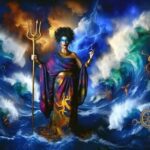
Origins of Euryale
The origins of Euryale can be traced back to ancient texts, where she is described as one of the offspring of Ceto and Phorcys. This lineage places her within a family of sea deities, linking her to the primal forces of nature. Euryale’s name itself has been interpreted to mean “far-springing,” suggesting a connection to both the ocean and the distant realms of the unknown. The Gorgons, as a whole, are often depicted as monstrous beings, but they also possess an air of tragic beauty that makes them complex characters within the mythology.
The Gorgons were said to have been born as beautiful maidens but were transformed into their fearsome forms as a result of a curse. This transformation is significant as it highlights the theme of beauty and monstrosity coexisting within the same being. Euryale, alongside her sisters, was often depicted with snakes for hair and a gaze that could petrify any mortal. This duality is a central theme in many myths, where characters embody both light and dark aspects of their nature.
The Characteristics of Euryale
Euryale’s characteristics set her apart from her sisters. While Medusa is often the most famous Gorgon due to her tragic tale and eventual defeat by Perseus, Euryale is described as immortal and possessing extraordinary strength. Her ability to endure and survive through the ages gives her a unique place in the mythological landscape. Unlike Medusa, who is eventually killed, Euryale’s immortality symbolizes a different kind of power, one that is unyielding and eternal.
 Eurydice
In many accounts, Euryale is depicted as having a loud and fearsome roar, which further emphasizes her terrifying nature. This roar is said to echo through the lands, instilling fear in the hearts of those who hear it. The combination of her physical attributes and her formidable presence makes Euryale a symbol of fear that commands respect. This fear is not just about physical danger but also about the power that comes from being misunderstood and misrepresented.
Euryale in Art and Literature
The representation of Euryale in art and literature varies significantly across different periods. In ancient Greek pottery, she is often depicted alongside her sisters, showcasing their monstrous forms. These images capture the essence of the Gorgons as both terrifying and awe-inspiring figures. The use of vivid colors and dramatic poses emphasizes the power and danger that Euryale embodies. Such artistic representations serve as a reminder of the ancient Greeks’ fascination with the themes of beauty, horror, and the supernatural.
In literature, Euryale appears in various myths, but her role is often overshadowed by that of Medusa. Nevertheless, she is mentioned in texts such as Ovid’s Metamorphoses, where the Gorgons are described in detail. These literary accounts not only focus on their fearsome abilities but also hint at their tragic backstories. The inclusion of Euryale in these narratives adds depth to the Gorgon mythos, allowing readers to explore the complexities of her character beyond mere monstrosity.
 Eurynome
Symbolism of Euryale
Euryale symbolizes several important themes within Greek mythology. One of the most prominent is the concept of female power. The Gorgons, including Euryale, represent the fierce and often misunderstood aspects of femininity. They challenge traditional notions of beauty and desirability, showing that women can embody strength and terror as much as they can embody grace and charm. This complexity makes Euryale a compelling figure in feminist interpretations of mythology.
- Transformation: Euryale’s story reflects the theme of transformation, both physically and emotionally. Her change from a beautiful maiden to a monstrous figure symbolizes the societal pressures that women face.
- Fear and Respect: Euryale instills fear in those who encounter her, but this fear is often mixed with respect for her power and resilience.
- Immortality: As an immortal being, Euryale represents the idea of endurance and the ability to withstand the trials of time.
The Legacy of Euryale
The legacy of Euryale endures in various forms of modern media, from literature to film. Her character has inspired countless adaptations and reinterpretations, showcasing the timelessness of her story. In many contemporary retellings, Euryale is often portrayed with a more nuanced perspective, exploring her motivations and emotions rather than solely focusing on her fearsome exterior. This shift reflects a broader cultural understanding of the complexities of female characters and the importance of giving them agency in their narratives.
Moreover, Euryale’s legacy can be seen in the way she is used as a symbol of empowerment. In some modern interpretations, she represents the struggle against societal expectations and the reclaiming of one’s identity. The Gorgons, particularly Euryale, have become icons of strength and resilience for many, serving as reminders that beauty and power can coexist in unexpected ways.
Euryale and Other Mythical Figures
Euryale’s interactions with other mythical figures further enrich her character and the overall narrative of the Gorgons. One of the most notable connections is with Perseus, the hero who ultimately slays Medusa. While Euryale is not directly involved in this conflict, her presence looms large as a symbol of the challenges that Perseus must face. The dynamic between hero and monster is a recurring theme in mythology, and Euryale’s role as a Gorgon adds depth to this archetype.
Additionally, Euryale’s relationship with her sisters, Stheno and Medusa, highlights the themes of sisterhood and loyalty. Despite their monstrous forms, the Gorgons share a deep bond that transcends their individual fates. This sense of unity among the sisters is often emphasized in myths, showcasing the strength of familial ties even in the face of adversity. Euryale’s loyalty to her sisters can be interpreted as a reflection of the importance of solidarity among women, a theme that resonates in contemporary discussions of female empowerment.
Comparative Mythology
When examining Euryale within the broader context of comparative mythology, parallels can be drawn between her character and figures from other cultures. For instance, in Norse mythology, the figure of Hel, the goddess of the underworld, shares similarities with Euryale in terms of her dual nature. Both characters embody aspects of fear and power, challenging traditional notions of femininity. Such comparisons highlight the universal themes present in myths across cultures, emphasizing the shared human experience of grappling with the complexities of identity.
- Hel: Represents the underworld and death, much like Euryale represents fear and transformation.
- Medusa: While often seen as a separate figure, her connection to Euryale highlights the themes of sisterhood and shared fate.
- Lilith: In some traditions, Lilith is portrayed as a figure of female power and rebellion, similar to how Euryale embodies strength and defiance.
Modern Interpretations of Euryale
In recent years, Euryale has found her way into various forms of media, including literature, film, and visual art. Many contemporary authors have chosen to reimagine her story, focusing on her internal struggles and motivations. These modern interpretations often seek to humanize Euryale, portraying her not just as a monster but as a complex character with desires, fears, and aspirations. This shift reflects a growing interest in exploring the narratives of female characters in mythology and literature.
In film, Euryale and her sisters have been depicted in various adaptations, sometimes as antagonists and other veces as tragic figures. This duality allows for a richer exploration of their characters, highlighting the themes of misunderstanding and the consequences of societal judgment. By presenting Euryale as a multifaceted character, filmmakers and writers contribute to a broader conversation about the representation of women in media and the importance of giving voice to those who have been marginalized.
Feminist Perspectives
From a feminist perspective, Euryale’s story serves as a powerful commentary on the societal expectations placed on women. The transformation of the Gorgons from beautiful maidens to monstrous figures can be seen as a metaphor for the ways in which women are often judged based on their appearance and behavior. Euryale’s fearsome exterior challenges the traditional ideals of beauty, forcing society to confront its own biases and assumptions about femininity.
- Agency: Modern interpretations often emphasize Euryale’s agency, allowing her to reclaim her identity beyond the monstrous stereotype.
- Resilience: Euryale’s endurance through the ages symbolizes the strength of women who navigate societal challenges.
- Empowerment: Euryale and her sisters have become symbols of empowerment, inspiring discussions about female strength and defiance.
As a significant figure in Greek mythology, Euryale embodies the complexities of female power, beauty, and monstrosity. Her story, alongside her sisters, challenges traditional narratives and invites exploration of deeper themes within mythology. Through various interpretations, Euryale continues to resonate with audiences, serving as a reminder of the strength and resilience inherent in the female experience. Her legacy endures, inspiring new generations to confront the dualities of identity and the complexities of the human condition.