
Khenti-amentiu is a significant figure in Egyptian mythology, known as the god of the afterlife and the protector of the deceased. His name translates to “the one who is in the west,” indicating his association with the realm of the dead and the setting sun. This aspect of his identity connects him to the idea of rebirth and renewal, as the sun sets in the west and rises again in the east. Khenti-amentiu is often depicted as a man with the head of a jackal, a symbol that represents both death and protection. The jackal was commonly associated with cemeteries in ancient Egypt, as these animals would scavenge in burial sites, making them a fitting representation of a god concerned with the afterlife.
Origins and Historical Significance
The origins of Khenti-amentiu can be traced back to ancient Egyptian beliefs about the afterlife. He was primarily worshipped in the region of Upper Egypt, particularly in the city of Abydos, which was a major religious center. Abydos was considered a sacred site where many ancient Egyptians wished to be buried. This connection between Khenti-amentiu and Abydos further solidified his importance in the funerary practices of the time. The reverence for Khenti-amentiu grew as Egyptians sought to ensure safe passage to the afterlife, believing that he would guide them through the challenges they might face.
In the context of Egyptian mythology, Khenti-amentiu played a vital role in the Osirian myth, which centers around the story of Osiris, the god of the afterlife. Osiris was murdered by his brother Set, and it was Khenti-amentiu who aided in the resurrection of Osiris. This act not only reinforced his position as a protective deity but also linked him to themes of rebirth and immortality. The rituals performed in his honor often involved prayers and offerings to ensure that the deceased would be welcomed into the afterlife.
Depictions and Symbols
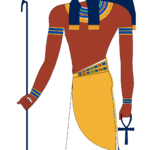
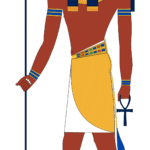
Khenti-amentiu is commonly depicted in ancient Egyptian art as a man with a jackal head, a representation that signifies his connection to the dead. This imagery reflects the duality of his nature as both a guide for the deceased and a guardian against malevolent forces. In many tombs and temples, he is shown standing or sitting, often holding a scepter or ankh, symbols of power and life. His jackal head serves to remind the living of the inevitable fate of all beings, while also providing comfort through the assurance of protection in the afterlife.
 Khnum
KhnumIn addition to his physical representation, Khenti-amentiu is often associated with various symbols that emphasize his role in the afterlife. One of the most significant symbols linked to him is the duat, the Egyptian underworld where souls journey after death. The duat was believed to be filled with obstacles, and Khenti-amentiu’s presence was essential in helping souls navigate this realm. Additionally, the Feather of Ma’at, which symbolizes truth and justice, is often connected to him, as it plays a crucial role in the judgment of souls in the afterlife.
Worship and Rituals
The worship of Khenti-amentiu involved various rituals aimed at ensuring a safe journey for the deceased. One of the most important aspects of his worship was the funeral rites, which included mummification and the placing of grave goods. Families would often invoke Khenti-amentiu during these ceremonies, asking for his guidance and protection for their loved ones. It was believed that through these rituals, the deceased would be able to enter the afterlife with his blessing.
In temples dedicated to Khenti-amentiu, priests would perform rituals that included offerings of food, incense, and other items believed to be pleasing to the god. These offerings were made to honor him and to ensure that he would look favorably upon the souls of the departed. Additionally, the recitation of spells from the Book of the Dead was common, as these texts contained powerful incantations designed to aid the deceased in their journey through the afterlife.
 Ken
KenKhenti-amentiu in Texts and Literature
Khenti-amentiu appears in various ancient texts and inscriptions, showcasing his importance in Egyptian religious life. One of the most notable sources is the Book of the Dead, a collection of spells and prayers that guided the deceased through the afterlife. In these texts, Khenti-amentiu is often mentioned as a protector who helps souls navigate the challenges they face in the underworld. His presence in these writings reflects the belief in the necessity of divine assistance for a successful transition to the afterlife.
Another important text that references Khenti-amentiu is the Pyramid Texts, which are among the oldest religious writings in the world. These texts, found in the pyramids of the Old Kingdom, include spells intended to assist the pharaohs in their journey to the afterlife. Khenti-amentiu is invoked in these spells, reinforcing his role as a guide and protector. The emphasis on his importance in royal funerary texts indicates that he was considered essential for the elite class, as their successful passage to the afterlife was of great significance to the stability of the kingdom.
Modern Interpretations and Legacy
Today, Khenti-amentiu continues to be a subject of interest for scholars and enthusiasts of Egyptian mythology. His role as a guide and protector in the afterlife resonates with contemporary themes of death and rebirth. Modern interpretations of Khenti-amentiu often explore his significance in understanding the ancient Egyptians’ views on mortality and the afterlife. By examining his character, researchers can gain insights into the beliefs and values of this fascinating civilization.
In popular culture, Khenti-amentiu’s image has also made appearances in various forms of media, from literature to film. These representations often draw upon his dual nature as both a guardian and a harbinger of death, emphasizing the complexity of his character. This continued interest in Khenti-amentiu reflects the enduring legacy of ancient Egyptian mythology and its relevance in contemporary discussions about life, death, and the afterlife.
Conclusion: The Importance of Khenti-amentiu in Egyptian Beliefs
Khenti-amentiu holds a vital place in the tapestry of Egyptian mythology, representing the intricate beliefs surrounding death and the afterlife. His role as a guide for the deceased and a protector against malevolent forces underscores the importance of divine assistance in navigating the challenges of the afterlife. Through the rituals, texts, and artistic depictions associated with him, we can see how the ancient Egyptians sought to ensure safe passage for their loved ones and themselves.
The reverence for Khenti-amentiu serves as a reminder of the universal human concern with mortality and the hope for a continued existence beyond death. As we explore the depths of Egyptian mythology, Khenti-amentiu stands out as a powerful symbol of the connection between life and death, guiding us through the mysteries of the afterlife.