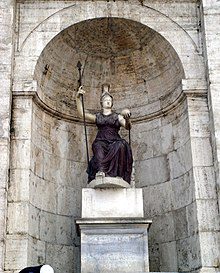
Rome, known as the Eternal City, is not only famous for its ancient architecture and history but also for its rich tapestry of mythology. Roman mythology is a collection of tales and legends that shaped the culture and identity of the Romans. It is deeply intertwined with the history of Rome itself, influencing art, religion, and daily life. The gods and goddesses of Rome were seen as powerful beings who controlled various aspects of the world, from the weather to the harvest. Understanding Roman mythology is essential to grasping the values and beliefs of ancient Roman society.
Origins of Roman Mythology
The origins of Roman mythology can be traced back to the early days of the city, around the 8th century BC. Initially, the Romans borrowed heavily from Greek mythology. They adopted many Greek gods, giving them new names and slightly different characteristics. For example, the Greek god Zeus became Jupiter in Roman mythology. This blending of cultures was common as the Romans expanded their empire and encountered various peoples and their beliefs.
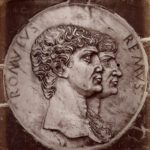 Romulus
Roman mythology also drew inspiration from the Etruscans, an ancient civilization that lived in Italy before the rise of Rome. The Etruscans had their own set of gods and rituals, which the Romans integrated into their belief system. This process of adaptation and assimilation allowed Roman mythology to evolve, becoming a unique blend of various influences. The stories of gods, heroes, and mythical creatures were passed down through generations, shaping the identity of the Roman people.
Major Gods and Goddesses
At the heart of Roman mythology are the major gods and goddesses, each representing different aspects of life and nature. Jupiter, the king of the gods, was associated with the sky and thunder. He was revered as the protector of the state and was often invoked in times of war. His counterpart, Juno, was the queen of the gods and the goddess of marriage and childbirth. She played a crucial role in the lives of Roman women, and her festivals were celebrated with great enthusiasm.
Another important deity was Neptune, the god of the sea. Romans believed that Neptune had the power to calm storms and ensure safe voyages for sailors. His domain extended beyond just water; he was also associated with horses and was often depicted riding a chariot pulled by sea horses. The Romans held festivals in his honor, especially before embarking on long sea journeys.
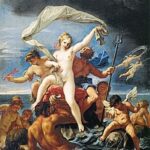 Salacia
Minor Deities
- Vesta: Goddess of the hearth and home, Vesta was central to Roman domestic life.
- Mercury: The messenger of the gods, Mercury was also the god of trade and commerce.
- Minerva: Goddess of wisdom and war, Minerva was often associated with strategic warfare and arts.
- Venus: The goddess of love and beauty, Venus played a significant role in Roman culture, representing desire and attraction.
These minor deities, along with the major ones, formed a complex pantheon that the Romans worshipped. Temples were built in their honor, and rituals were performed to gain their favor. Each god and goddess had specific attributes and symbols, making them easily recognizable in art and literature.
Mythical Creatures
Roman mythology is also filled with mythical creatures that represent various aspects of the human experience. One of the most famous creatures is the Centaur, a being with the upper body of a human and the lower body of a horse. Centaurs were often depicted as wild and unruly, symbolizing the struggle between civilization and barbarism. They played roles in many myths, often serving as both heroes and villains.
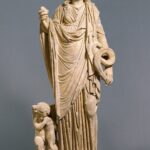 Salus
SalusAnother well-known creature is the Minotaur, a half-man, half-bull beast that lived in the labyrinth of Crete. While the Minotaur is originally from Greek mythology, the Romans adopted this tale, illustrating their penchant for blending different mythologies. The story of the Minotaur serves as a cautionary tale about the consequences of unchecked desires and the importance of self-control.
Other Notable Creatures
- Sphinx: A creature with the body of a lion and the head of a human, known for posing riddles.
- Harpy: Winged spirits known for stealing and carrying away individuals, often depicted as fierce and relentless.
- Faun: Half-human and half-goat, fauns were associated with nature and fertility.
These creatures not only entertained but also served as symbols for various moral lessons and cultural values. They were often featured in art, literature, and public performances, reinforcing their importance in Roman society.
Creation Myths
Creation myths are an essential part of any mythology, and Roman mythology is no exception. One of the most well-known creation stories involves the twin brothers Romulus and Remus. According to the myth, they were the sons of the god Mars and the vestal virgin Rhea Silvia. Abandoned as infants, they were raised by a she-wolf, which became a symbol of Rome. Eventually, Romulus killed Remus in a dispute over where to build the new city, leading to the founding of Rome in 753 BC.
This myth encapsulates the themes of conflict, ambition, and the divine right to rule. Romulus went on to become the first king of Rome, establishing many of the city’s early institutions. The story of Romulus and Remus is celebrated in various forms of art and literature, symbolizing the strength and resilience of the Roman people.
Other Creation Stories
- The Golden Age: A time of peace and prosperity when gods and humans lived harmoniously.
- The Silver Age: Marked by a decline in virtue and the rise of conflict among humans.
- The Bronze Age: A period of war and strife, showcasing the darker side of human nature.
These creation myths not only explain the origins of the world but also reflect the values and aspirations of the Roman people. They highlight the importance of community, the divine, and the lessons learned from history.
Mythology in Roman Culture
Roman mythology permeated every aspect of Roman culture, influencing art, literature, and even politics. Artists often depicted scenes from mythology in their works, celebrating the gods and their stories. For example, many sculptures and paintings feature gods and goddesses in various poses, illustrating their divine attributes. These works served not only as decoration but also as a means of communicating the values of Roman society.
Literature, too, was heavily influenced by mythology. Poets like Virgil and Ovid incorporated mythological themes into their writings, creating epic tales that resonated with Roman audiences. Virgil’s “Aeneid” tells the story of Aeneas, a Trojan hero who becomes the ancestor of the Romans. Ovid’s “Metamorphoses” explores themes of transformation and change, using mythological stories to illustrate deeper truths about human nature.
Political Influence
- Divine Right: Many Roman leaders claimed descent from gods to legitimize their rule.
- Public Festivals: Celebrations honoring gods were often used to unite the populace and reinforce loyalty to the state.
- Architecture: Temples and public buildings were constructed to honor the gods, showcasing the connection between religion and governance.
The intertwining of mythology and politics helped to shape the identity of Rome, reinforcing the idea that the city was favored by the gods. This connection was crucial for maintaining social order and unity among the diverse populations of the Roman Empire.
Festivals and Rituals
Festivals and rituals were an integral part of Roman religious life, providing opportunities for the community to come together in worship and celebration. One of the most significant festivals was the Lupercalia, held in mid-February to honor the she-wolf that nursed Romulus and Remus. During this festival, young men would run through the streets, striking women with strips of goat hide to promote fertility. This celebration highlighted the Romans’ connection to their mythology and their desire for prosperity.
Another important festival was the Saturnalia, dedicated to the god Saturn. This week-long celebration, held in December, involved feasting, gift-giving, and a temporary reversal of social roles. Slaves were allowed to partake in the festivities, reflecting the theme of equality during this time. Saturnalia was a time of joy and revelry, emphasizing the importance of community and the shared experience of mythology.
Other Notable Festivals
- Vinalia: A wine festival dedicated to Jupiter and Venus, celebrating the grape harvest.
- Floralia: A festival honoring Flora, the goddess of flowers and fertility, marked by theatrical performances and games.
- Consualia: A festival celebrating the harvest and honoring Consus, the god of stored grain.
These festivals not only provided entertainment but also reinforced the values and beliefs of Roman society. They served as a reminder of the gods’ influence on everyday life and the importance of community in honoring their divine powers.
Legacy of Roman Mythology
The legacy of Roman mythology extends far beyond the borders of ancient Rome. Its stories, characters, and themes continue to influence modern culture, literature, and art. Many of the gods and goddesses of Roman mythology have become archetypes in storytelling, representing universal themes of love, power, and conflict. For example, the tale of Venus and Mars is often referenced in discussions about love and war, illustrating the timeless nature of these myths.
Furthermore, Roman mythology has played a significant role in shaping Western literature and thought. Writers and artists throughout history have drawn inspiration from these ancient tales, adapting them to reflect contemporary issues and values. The works of Shakespeare, Dante, and even modern filmmakers often include references to Roman mythology, demonstrating its enduring relevance.
Modern Interpretations
- Literature: Many authors continue to explore themes from Roman mythology in their works, creating modern retellings and adaptations.
- Film: Movies like “Clash of the Titans” and “Immortals” draw on mythological themes, showcasing the continued fascination with these ancient stories.
- Art: Contemporary artists often incorporate mythological elements into their works, highlighting the connection between past and present.
In addition to literature and art, Roman mythology has influenced various aspects of popular culture, including video games, television shows, and even fashion. The gods and heroes of Rome continue to capture the imagination of people around the world, demonstrating the timeless appeal of these ancient stories.
Roman mythology is a rich and complex system of beliefs that has shaped the culture and identity of the Roman people for centuries. From its origins in ancient Italy to its lasting impact on modern society, the tales of gods, heroes, and mythical creatures continue to resonate with audiences today. By exploring the various aspects of Roman mythology, we gain insight into the values, beliefs, and aspirations of one of history’s greatest civilizations.