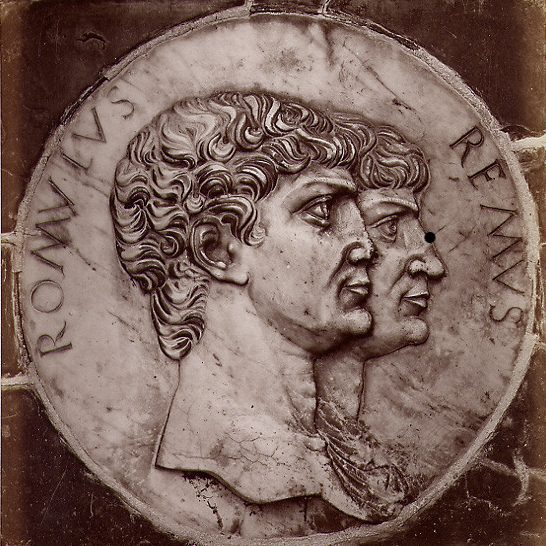
In the vast tapestry of Roman mythology, few figures stand out as prominently as Romulus. He is not only a central character in the myths surrounding the founding of Rome but also symbolizes the spirit and values of the Roman people. The story of Romulus is filled with adventure, conflict, and a deep connection to the divine. His legacy is woven into the very fabric of Roman culture, influencing everything from politics to religion. This article will explore the life, myths, and significance of Romulus in Roman mythology.
The Birth of Romulus
Romulus was born to Rhea Silvia, a vestal virgin, and Mars, the god of war. His birth is surrounded by divine prophecy and miraculous events. According to legend, Rhea Silvia was forced to become a vestal virgin by her uncle, who wanted to prevent her from having children. However, she was visited by Mars, resulting in the birth of Romulus and his twin brother, Remus. The twins were destined for greatness, but their birth was seen as a threat by the king, Amulius, who ordered them to be abandoned.
To escape the king’s wrath, Rhea Silvia placed the twins in a basket and set them adrift on the Tiber River. The river’s current carried them to safety, where they were discovered by a she-wolf, who nurtured and cared for them. This nurturing by a wild animal symbolizes the strength and resilience that would characterize Romulus in his later life. The twins were eventually found by a shepherd named Faustulus, who raised them as his own. This part of the story emphasizes the theme of fate and how the gods intervened in the lives of the twins.
The Founding of Rome
As the twins grew older, they became aware of their noble lineage and the injustices done to their mother. They decided to reclaim their rightful place and overthrow Amulius. After successfully defeating him, Romulus and Remus sought to establish a new city. However, a conflict arose between the brothers over where to build the city. Romulus favored the Palatine Hill, while Remus preferred the Aventine Hill. This disagreement led to a series of events that would change the course of their lives forever.
 Salus
SalusIn a fit of anger, Romulus killed Remus during a quarrel, declaring that anyone who dared to cross the walls of the new city would meet the same fate. This tragic moment not only solidified Romulus’s authority but also marked the beginning of his reign as the first king of Rome. The founding of the city on April 21, 753 BC, is celebrated in Roman culture and represents the birth of a great civilization. Romulus’s actions reflect the harsh realities of leadership and the sacrifices that come with it, emphasizing the complex nature of power.
Romulus as a Leader
Once Rome was founded, Romulus focused on building a strong community. He understood that a city needed more than just walls; it required citizens. To populate Rome, Romulus devised a plan to invite neighboring tribes to a festival. During this event, he and his followers abducted the Sabine women, an act that would have lasting consequences. This event, known as the Rape of the Sabine Women, was a pivotal moment in Roman history and mythology. It highlights themes of conflict and integration as the new city sought to grow and thrive.
The abduction led to a war between the Romans and the Sabines, who sought to rescue their women. However, the conflict took an unexpected turn when the Sabine women intervened, pleading for peace between their husbands and their families. This act of bravery and diplomacy helped to unite the two groups, leading to a lasting alliance. Romulus’s ability to adapt and negotiate during this crisis showcases his skills as a statesman and leader.
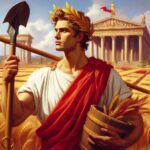 Saritor
The Death of Romulus
The life of Romulus was filled with glory, but like all great leaders, he faced challenges that would eventually lead to his demise. According to legend, Romulus disappeared mysteriously during a storm while reviewing his troops on the Campus Martius. His sudden departure sparked various theories about his fate. Some believed he was taken up to the heavens and became a god, while others thought he was murdered by jealous senators. This ambiguity surrounding his death has contributed to the mystique of his character in Roman mythology.
After his disappearance, Romulus was honored as a god, and the Romans began to worship him as Quirinus. His ascension to divinity reflects the Roman belief in the connection between gods and rulers. The transition from a mortal king to a divine figure illustrates how the Romans sought to legitimize their leaders and establish a sense of continuity in their history. This transformation also reinforced the idea that Rome was destined for greatness, guided by the favor of the gods.
Romulus in Roman Culture
The legacy of Romulus extends far beyond his mythological story. He is a symbol of Roman identity and values, representing bravery, leadership, and the will to overcome adversity. Throughout Roman history, Romulus was invoked as a model for emperors and leaders, inspiring them to embody the qualities he represented. His image appeared in various forms of art, literature, and public monuments, reinforcing his importance in Roman culture.
In addition to his portrayal in art, Romulus was a central figure in Roman education. Children were taught his story as a means of instilling the virtues of courage, loyalty, and justice. The tale of Romulus and Remus served as a foundational myth, shaping the identity of the Roman people. Festivals and rituals were dedicated to him, celebrating his role in the city’s founding and honoring his legacy as a great leader.
Romulus and the Roman Religion
Romulus’s significance in Roman religion cannot be overstated. As a god, he was associated with various religious practices and rituals. The Romans believed that he watched over the city and its inhabitants, guiding them in times of need. Temples were built in his honor, and priests dedicated to his worship played a crucial role in Roman society. The connection between Romulus and the divine reinforced the idea that the success of Rome was intertwined with the favor of the gods.
One of the key aspects of Romulus’s religious significance was his association with the Roman pantheon. He was often linked to other deities, such as Jupiter and Mars, reflecting the complex nature of Roman spirituality. The Romans believed that their leaders were divinely chosen, and Romulus’s transformation from a mortal king to a god exemplified this belief. His legacy continued to influence religious practices, shaping the spiritual landscape of Rome for centuries to come.
The Influence of Romulus Beyond Rome
The story of Romulus has transcended the borders of Rome, influencing various cultures and societies throughout history. His tale has been adapted and retold in countless forms, from literature to film. The themes of brotherhood, conflict, and the struggle for power resonate universally, making Romulus a timeless figure. Many writers and artists have drawn inspiration from his story, highlighting the enduring nature of his legacy.
In modern times, Romulus has been referenced in discussions about leadership and governance. His story serves as a reminder of the complexities of power and the responsibilities that come with it. The lessons learned from his life, including the importance of unity and the consequences of conflict, continue to be relevant today. As societies grapple with issues of leadership and identity, the figure of Romulus remains a powerful symbol of what it means to build and protect a community.
Conclusion: The Enduring Legacy of Romulus
The legacy of Romulus is a testament to the enduring power of myth in shaping cultural identity. His story, filled with triumph and tragedy, serves as a mirror reflecting the values and aspirations of the Roman people. From his miraculous birth to his divine ascension, Romulus embodies the spirit of Rome and its quest for greatness. As long as the tales of ancient Rome are told, the memory of Romulus will continue to inspire and captivate generations to come.