Remus is a significant figure in Roman mythology, known primarily for his role in the legendary founding of Rome. Alongside his twin brother, Romulus, Remus is a central character in stories that explore themes of brotherhood, conflict, and the origins of one of the greatest civilizations in history. The tales of Remus and Romulus have been passed down through generations, capturing the imagination of many and providing insight into the values and beliefs of ancient Roman society. Their story is not just about the founding of a city but also reflects deeper human emotions and conflicts that resonate even today.
The Birth of Remus
The legend of Remus begins with the tale of his birth. According to Roman mythology, Remus and his brother Romulus were born to Rhea Silvia, a vestal virgin, and Mars, the god of war. Their birth was shrouded in divine prophecy, as it was foretold that they would become the founders of a great city. Rhea Silvia’s father, King Numitor of Alba Longa, had been overthrown by his brother Amulius. To prevent any threat to his rule, Amulius ordered Rhea Silvia to remain a virgin, but the god Mars had other plans. This divine intervention set the stage for the twins’ extraordinary destiny.
 Robigo
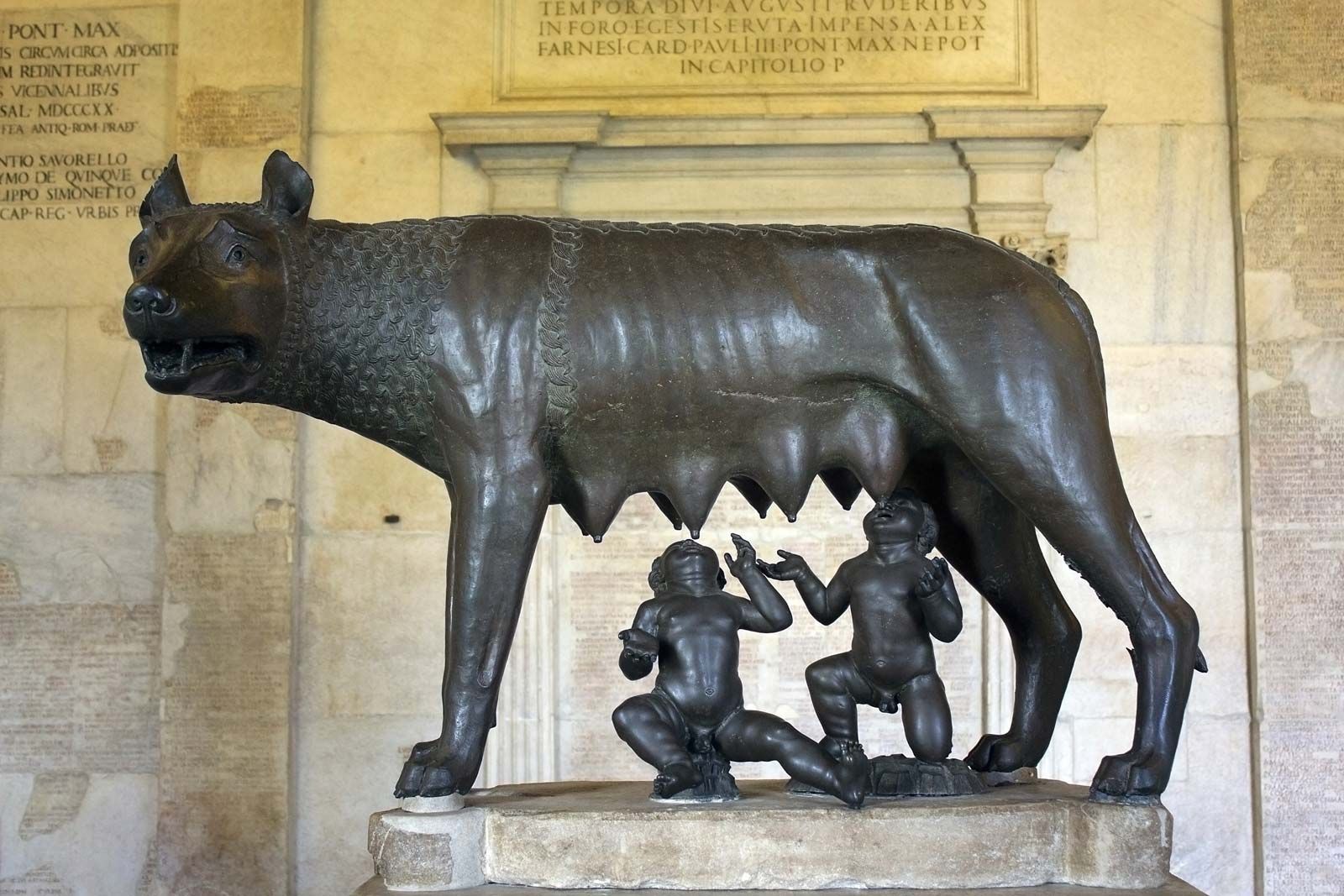
After their birth, Remus and Romulus were abandoned and left to die in the Tiber River. However, fate intervened when a she-wolf discovered the infants and nurtured them in her den. This act of nurturing by a wild animal symbolizes the twins’ connection to the natural world and foreshadows their strength and resilience. The twins were later found by a shepherd named Faustulus, who, along with his wife, raised them as his own children. This upbringing in a humble environment played a crucial role in shaping their character and values.
The Significance of Remus in Roman Culture
Remus holds a special place in Roman culture as a symbol of brotherhood and the complexities of familial relationships. The bond between Remus and Romulus represents the duality of human nature: love and rivalry. This duality is evident in their story, where their close relationship ultimately leads to conflict. The tale of Remus serves as a reminder of the importance of unity and cooperation, even amidst challenges. The Romans admired these qualities, seeing them as essential for the growth and stability of their society.
Moreover, the story of Remus and Romulus illustrates the Roman values of courage, perseverance, and determination. The twins faced numerous challenges, from their abandonment to their eventual quest to found a city. Their journey symbolizes the struggle for survival and success, which resonated with the Roman people. The narrative of Remus also emphasizes the importance of fate and destiny in Roman beliefs, as the twins were destined to create a great civilization despite the obstacles they encountered.
 Robigus
The Conflict Between Remus and Romulus
The relationship between Remus and Romulus is marked by a profound conflict that ultimately defines their legacy. As they grew older, the twins decided to establish a city where they could rule together. However, a disagreement arose over the location of the city. Remus favored the Palatine Hill, while Romulus preferred the Aventine Hill. This disagreement escalated into a fierce rivalry, showcasing the themes of ambition and jealousy that often accompany sibling relationships.
The conflict reached a tragic climax when Remus, in a fit of anger, mocked Romulus’s city walls by leaping over them. In response, Romulus killed Remus in a moment of rage, believing that his brother’s actions undermined his authority and the sanctity of their new city. This act of violence is symbolic of the tragic consequences of ambition and the struggle for power. The story serves as a cautionary tale about the dangers of unchecked ambition and the potential for conflict within even the closest relationships.
Remus in Art and Literature
The story of Remus and Romulus has been a source of inspiration for countless artists and writers throughout history. Their tale has been depicted in various forms of art, including paintings, sculptures, and literature. One of the most famous representations is the iconic image of the she-wolf nursing the twins, which has become a symbol of Rome itself. This image captures the essence of their story, highlighting the themes of survival and the bond between nature and humanity.
 Roma
RomaIn literature, the story of Remus has been retold in various forms, from ancient texts to modern interpretations. The works of historians such as Titus Livius (Livy) and Plutarch have provided detailed accounts of the twins’ lives and the events leading to the founding of Rome. These texts not only recount the legendary events but also offer insights into the values and beliefs of Roman society. Through these narratives, the legacy of Remus continues to resonate, reminding us of the enduring power of myth and storytelling.
The Legacy of Remus
Remus’s legacy is intertwined with the founding of Rome, a city that would become one of the most powerful empires in history. His story serves as a reminder of the complex nature of human relationships, the struggles for power, and the consequences of ambition. The tale of Remus and Romulus has become a foundational myth for the Roman people, embodying their aspirations, struggles, and triumphs.
Furthermore, the themes present in the story of Remus are relevant even today. The conflict between the twins reflects the ongoing struggles for power and authority that exist in various forms across societies. The lessons learned from their story about the importance of unity and cooperation resonate in modern contexts, reminding us of the value of collaboration over conflict. The legacy of Remus transcends time, offering insights into human nature that remain relevant in contemporary society.
Modern Interpretations of Remus
In recent years, the story of Remus has been reinterpreted in various cultural contexts. Modern adaptations in film, literature, and theater have brought new life to the ancient tale, often exploring themes of identity, conflict, and the search for belonging. These interpretations highlight the enduring relevance of Remus’s story, demonstrating how ancient myths can inform and inspire contemporary narratives.
For example, films that depict the founding of Rome often emphasize the emotional struggles of the twins, focusing on their relationship and the consequences of their actions. These modern retellings provide audiences with a deeper understanding of the complexities of human nature and the timeless themes that underpin the myth. By examining the story of Remus through a contemporary lens, we can appreciate its richness and significance in today’s world.
The Role of Remus in Roman Religion
In addition to his role in mythology, Remus also held a place in the religious practices of ancient Rome. The Romans honored the twins through various rituals and festivals, celebrating their contributions to the founding of the city. These religious observances were an essential part of Roman life, reinforcing the connection between the divine and the mortal world.
One of the most notable festivals was the Parilia, which celebrated the founding of Rome. During this festival, rituals were performed to honor the gods and seek their blessings for the city. The significance of Remus and Romulus in these ceremonies underscores their importance not only as mythical figures but also as symbols of the Roman identity. The religious aspect of their story highlights the intertwining of myth and faith in ancient Roman culture, illustrating how the legends of Remus continue to shape the spiritual landscape of the time.
The Symbolism of the She-Wolf
The figure of the she-wolf is a powerful symbol in the story of Remus and Romulus. This nurturing animal represents the themes of survival and protection, serving as a maternal figure in the twins’ early lives. The she-wolf’s actions underscore the idea that strength can be found in unexpected places, highlighting the importance of nature in the twins’ journey.
Moreover, the she-wolf has become an enduring symbol of Rome itself, representing the city’s origins and the values it was built upon. The image of the she-wolf nursing Remus and Romulus has been widely adopted in art and literature, reinforcing the connection between the natural world and the human experience. This symbolism serves as a reminder of the resilience and strength inherent in the story of the twins, echoing the broader themes of survival and community that are central to the Roman identity.
The Duality of Remus and Romulus
The relationship between Remus and Romulus embodies a profound duality that is central to their story. On one hand, the twins represent unity and brotherhood, working together to achieve their shared goal of founding a city. On the other hand, their relationship is marked by rivalry and conflict, culminating in the tragic death of Remus at the hands of his brother. This duality reflects the complexities of human relationships and the struggles that often accompany ambition and desire.
This theme of duality resonates deeply in Roman mythology and culture. The story of Remus and Romulus serves as a microcosm of the broader tensions within society, where cooperation and conflict coexist. The lessons learned from their relationship remind us of the importance of balance in our interactions with others, highlighting the need for understanding and empathy in the face of rivalry and competition. The duality of Remus and Romulus continues to be a source of inspiration and reflection, offering valuable insights into the human experience.
The Influence of Remus on Roman Identity
Remus’s legacy has significantly influenced the development of Roman identity throughout history. As one of the founders of Rome, his story is integral to the narrative of the city’s origins. The myth of Remus and Romulus has been used to promote a sense of unity and pride among the Roman people, serving as a reminder of their shared heritage and cultural values.
Throughout the centuries, the tale of Remus has been invoked in various contexts, from political speeches to artistic expressions. Leaders and artists have drawn upon the myth to inspire patriotism and a sense of belonging among the Roman populace. The enduring nature of Remus’s story speaks to its power as a cultural touchstone, shaping the identity of Rome and its people in profound ways. The legacy of Remus continues to be a source of inspiration, reflecting the timeless themes of brotherhood, conflict, and the pursuit of greatness that resonate across generations.