Erytheia is a fascinating figure from Greek mythology, known primarily for her association with the legendary Hesperides and the tasks assigned to heroes like Heracles. The name Erytheia itself means “the red one,” which some interpretations suggest relates to the red sunset or possibly the red land she inhabited. In various myths, she is depicted as a beautiful yet dangerous place, and her story intertwines with themes of heroism, adventure, and the pursuit of the unattainable. This article delves into the various aspects of Erytheia, exploring her significance, her connection to other mythological figures, and the broader implications of her stories.
The Geography of Erytheia
The island of Erytheia is often described as a distant and mysterious place located in the western seas. According to some accounts, it is situated near the Hesperides, who are the nymphs of the evening and golden light. The island is depicted as lush and fertile, filled with vibrant flora and fauna. It is also portrayed as a land that is both beautiful and perilous, suggesting a duality that is common in many myths. This landscape serves as a backdrop for various heroic deeds, where the natural beauty often contrasts sharply with the dangers that lurk within.
 Eunomia
One of the most notable features of Erytheia is its association with the cattle of Geryon, a three-bodied giant who owned a herd of magnificent red cattle. These cattle were said to be unique and were highly sought after. Erytheia’s geography, with its rich pastures and distant location, made it an ideal home for such valuable livestock. The journey to Erytheia is fraught with challenges, reflecting the trials that heroes must endure to achieve their goals.
Key Features of Erytheia
- Location: Distant island in the western seas
- Flora and Fauna: Lush and fertile landscapes
- Association: Home to Geryon’s cattle
- Challenges: Dangerous environment for heroes
The island is often depicted as being surrounded by treacherous waters, filled with mythical creatures and hazards. This treachery serves as a metaphor for the challenges faced by heroes, suggesting that the path to glory is never easy. Erytheia, with its alluring beauty, represents the temptations and trials that one must navigate in the quest for greatness.
Erytheia and Heracles
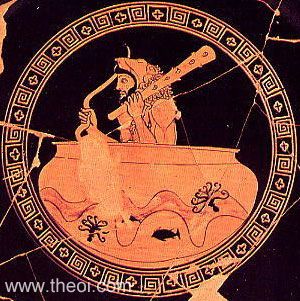
One of the most famous stories involving Erytheia is that of Heracles and his Twelve Labors. In the tenth labor, Heracles is tasked with retrieving the cattle of Geryon, which are located on the island of Erytheia. This labor is significant not only for its challenges but also for what it represents in the context of Heracles’ journey. The quest for Geryon’s cattle is symbolic of the hero’s struggle against overwhelming odds and his determination to succeed.
 Euphrosyne-
As Heracles sets out on his journey to Erytheia, he faces numerous obstacles, including fierce monsters and treacherous landscapes. The journey itself tests his strength, intelligence, and resolve. Upon reaching Erytheia, Heracles must confront Geryon, who is depicted as a formidable opponent. The battle between Heracles and Geryon highlights the theme of heroism in Greek mythology, showcasing the hero’s ability to overcome seemingly insurmountable challenges.
Heracles’ Encounter with Geryon
- Geryon: The three-bodied giant
- Battle: A test of strength and skill
- Victory: Symbolizes triumph over evil
During the confrontation, Heracles utilizes his cunning and strength to defeat Geryon and claim the prized cattle. This victory is not merely a physical triumph; it represents the hero’s ability to conquer his fears and the challenges of the world. The cattle, once captured, symbolize the rewards of perseverance and bravery. Heracles’ successful completion of this labor solidifies his status as a legendary hero in Greek mythology.
 Europa
The Symbolism of Erytheia
Erytheia is rich in symbolism, representing various themes central to Greek mythology. One of the primary symbols is the struggle for glory. The island, with its beauty and danger, embodies the idea that true glory is often achieved through hardship and perseverance. The journey to Erytheia serves as a metaphor for the trials that heroes must endure to reach their goals. This struggle is a common theme in many myths, reflecting the belief that greatness is not easily attained.
Another significant aspect of Erytheia’s symbolism is its association with temptation. The island’s alluring beauty may draw heroes in, but it also hides the dangers that lie beneath the surface. This duality reflects the challenges of making choices in life, where the most attractive paths may not always lead to the best outcomes. Erytheia serves as a reminder that heroes must remain vigilant and wise, choosing their paths carefully.
Symbolic Themes of Erytheia
- Struggle for Glory: Hardship leads to achievement
- Temptation: Allure of beauty can hide dangers
- Choices: Importance of making wise decisions
Furthermore, Erytheia can also be seen as a representation of the unknown. The island is often depicted as remote and shrouded in mystery, reflecting the idea that heroes must confront the unknown in their quests. This theme resonates with the human experience, as individuals often face uncertainties and challenges in their own lives. Erytheia, therefore, serves as a metaphor for the journey into the unknown, emphasizing the courage required to explore new territories.
Erytheia in Art and Literature
The figure of Erytheia has inspired various works of art and literature throughout history. In ancient times, artists depicted her in sculptures and pottery, often illustrating scenes from Heracles’ labors. These artistic representations highlight the significance of Erytheia in the larger narrative of Greek mythology. They serve not only as a visual representation of the myths but also as a means of preserving the stories for future generations.
Literature has also played a crucial role in keeping the tales of Erytheia alive. Poets and playwrights have referenced her in their works, using her story as a backdrop for exploring themes of heroism, struggle, and the pursuit of glory. The narratives surrounding Erytheia have been retold and reinterpreted over time, reflecting the evolving understanding of mythology and its relevance to human experiences.
- Ancient Art: Sculptures and pottery
- Literary References: Poets and playwrights
- Thematic Exploration: Heroism and struggle
The enduring legacy of Erytheia can also be seen in modern adaptations of Greek mythology. Contemporary authors and artists continue to draw inspiration from her story, reimagining her character and the events surrounding her. This ongoing fascination with Erytheia reflects the timeless nature of these myths and their ability to resonate with audiences across different cultures and eras.
The Legacy of Erytheia
The legacy of Erytheia extends beyond her individual story, encompassing the broader themes and lessons found within Greek mythology. Her tale serves as a reminder of the importance of courage, perseverance, and the quest for knowledge. As heroes like Heracles face challenges and confront the unknown, they embody the qualities that inspire individuals to pursue their own goals and dreams.
Moreover, Erytheia’s connection to the natural world highlights the relationship between humanity and nature. The island’s beauty and danger serve as a metaphor for the balance that must be maintained in life. Just as heroes navigate the challenges posed by Erytheia, individuals must also learn to navigate the complexities of their environments. This understanding fosters a sense of respect for the natural world and its inherent challenges.
Lessons from Erytheia
- Courage: Importance of facing challenges
- Perseverance: Value of determination
- Respect for Nature: Balance in life
The enduring appeal of Erytheia lies in her ability to inspire reflection on personal journeys. Her story encourages individuals to confront their fears, embrace challenges, and seek out their own paths to greatness. By examining the lessons embedded in her tale, readers can find motivation and inspiration to pursue their own quests in life.
Conclusion: Erytheia’s Place in Mythology
Erytheia occupies a unique and significant place in Greek mythology. Her association with the legendary labors of Heracles, her rich symbolism, and her impact on art and literature all contribute to her enduring legacy. As a figure representing the challenges and triumphs of heroes, Erytheia continues to inspire and resonate with audiences, highlighting the timeless nature of these ancient myths. Through the exploration of her story, we gain insights into the human experience and the qualities that define true heroism.