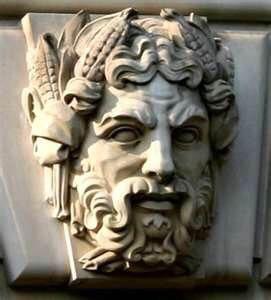
In Roman mythology, Robigo is a lesser-known deity who is associated with the protection of crops, particularly wheat. The ancient Romans held a deep respect for agricultural deities, recognizing their importance in ensuring a bountiful harvest. Robigo was specifically invoked to protect crops from diseases, particularly those caused by mildew and rust. The Romans understood that the success of their agriculture depended heavily on the favor of the gods, and they sought to appease them through various rituals and offerings. This article explores the significance of Robigo, the rituals dedicated to this deity, and the broader context of agricultural practices in ancient Rome.
The Role of Robigo in Roman Agriculture
Robigo was not just a random figure in Roman mythology; she represented a crucial aspect of agricultural life. The Romans were primarily an agrarian society, and their economy depended heavily on farming. Therefore, the protection of crops was vital. Robigo was believed to be a guardian against crop diseases, which could devastate harvests and lead to famine. The Romans would often turn to her during the early spring, just before the critical growing season, to ensure their fields remained healthy and productive.
 Robigus
In Roman society, the agricultural calendar was filled with festivals and rituals aimed at various deities. Robigo’s significance came to light during the Robigalia, a festival celebrated on April 25th. This festival was dedicated to her and involved various ceremonies intended to protect the wheat crops from disease. The Romans understood that without the right offerings and rituals, their crops could suffer, leading to dire consequences for their food supply.
The Robigalia Festival
The Robigalia was a significant event in the Roman calendar, reflecting the importance of agriculture in their daily lives. During this festival, a priest, known as the flamen Robigalis, would lead the rituals. One of the key components of the festival was the sacrifice of a dog, which was believed to appease Robigo and ensure that she would protect the crops from rust and mildew. This practice highlights the Romans’ belief in the power of sacrifice to gain favor from the gods.
Participants would also carry out various prayers and offerings, often including barley and other grains, as a sign of respect and devotion to Robigo. The festival served not only as a religious observance but also as a communal gathering where farmers could share their concerns about the upcoming growing season. It was a time for the community to come together, reinforcing social bonds while collectively seeking divine protection for their crops.
 Roma
RomaRobigo’s Symbolism and Representation
In Roman art and literature, Robigo is not as prominently featured as other deities like Jupiter or Venus, but she holds a unique place in the pantheon of agricultural gods. Often depicted as a young woman, Robigo symbolizes the vital force of nature that governs the health of crops. Her association with disease and protection underscores the delicate balance between prosperity and ruin in agricultural practices. The Romans recognized that nature could be both nurturing and destructive, and Robigo embodied this duality.
The symbolism of Robigo extends beyond just crop protection. She represents the fragility of life and the interconnectedness of human existence with the natural world. The reliance on Robigo illustrates the Romans’ understanding that they were part of a larger ecosystem, where their actions could significantly impact the environment. This relationship highlights the importance of respecting nature and seeking harmony with the forces that govern it.
The Influence of Robigo on Roman Culture
The worship of Robigo and the observance of the Robigalia festival influenced various aspects of Roman culture. The agricultural rituals surrounding her worship were deeply embedded in the daily lives of the Romans. Farmers would often consult the augurs, priests who interpreted the will of the gods through the study of birds and other omens, to determine the best times for planting and harvesting. This practice shows how the reverence for Robigo extended into practical agricultural decisions.
 Romulus
Moreover, the emphasis on rituals and sacrifices to deities like Robigo illustrates the broader cultural significance of religion in Roman society. The Romans believed that their success depended on maintaining a good relationship with the gods. Festivals dedicated to agricultural deities were not just about seeking protection for crops; they were a means of reinforcing community ties and shared beliefs. The Robigalia, therefore, served as a vital cultural event that emphasized the importance of agriculture in Roman identity.
Comparative Analysis: Robigo and Other Agricultural Deities
When examining Robigo, it is essential to consider her alongside other agricultural deities in Roman mythology. For instance, Ceres is perhaps the most well-known goddess of agriculture and fertility. While Ceres was associated with the overall bounty of the harvest, Robigo’s focus was much narrower, centering on the protection of crops from specific diseases. This specialization reflects the diverse nature of Roman religious practices, where multiple deities could oversee different aspects of agriculture.
In Greek mythology, Robigo has a parallel in the goddess Demeter, who is also associated with grain and the fertility of the earth. Both deities share a common theme of nurturing and protection, yet their cultural contexts and specific attributes differ. The Romans adapted and integrated various elements from Greek mythology into their own belief system, leading to a rich tapestry of deities that addressed the multifaceted needs of society.
The Legacy of Robigo in Modern Times
While Robigo may not be a household name today, her legacy persists in the agricultural practices and rituals that many cultures still observe. The importance of crop protection remains a relevant issue in modern agriculture, especially with the rise of diseases that threaten food security worldwide. Farmers today continue to seek ways to protect their crops, drawing on centuries of agricultural wisdom.
Additionally, the rituals associated with Robigo and the Robigalia festival can be seen as a precursor to contemporary agricultural festivals. Many communities still celebrate the changing seasons and the importance of harvests through various cultural events. These festivals serve as a reminder of the connection between people and the land, echoing the sentiments that Robigo represented in ancient Rome.
Robigo’s Impact on Literature and Art
Robigo’s influence extends into the realms of literature and art, where themes of agriculture and divine protection are explored. Although she may not be a central figure in classical literature, references to agricultural deities often highlight the importance of nature in human life. Poets and playwrights of ancient Rome frequently depicted the struggles of farmers and the relationship between humans and the divine, emphasizing the need for protection and favor.
In art, representations of agricultural deities, including Robigo, often showcase the beauty and bounty of nature. Artists depicted scenes of harvests, fields, and the nurturing aspects of the earth, celebrating the cycle of life that agriculture embodies. These works serve as a testament to the reverence that ancient Romans had for their gods and the land, illustrating how deeply intertwined their lives were with agriculture.
Conclusion: The Importance of Agricultural Deities
Robigo, though not as widely recognized as other deities, played a crucial role in the agricultural practices of ancient Rome. Her worship underscores the importance of divine protection in ensuring a successful harvest. The rituals and festivals dedicated to her reflect the deep connection that the Romans had with their land and the natural world. As we explore the legacy of Robigo, we are reminded of the enduring significance of agricultural deities in shaping human culture and identity.