
Proserpina, a central figure in Roman mythology, is often associated with the changing seasons and the cycle of life and death. Her story is deeply intertwined with themes of love, loss, and rebirth. Proserpina is the daughter of Ceres, the goddess of agriculture, and her tale is rich with symbolism and meaning that resonates throughout ancient Roman culture. The myth of Proserpina not only highlights her importance as a deity but also serves as a reflection of the natural world and its rhythms.
The Origins of Proserpina
Proserpina, known as Persephone in Greek mythology, is the daughter of Ceres and Jupiter. Ceres represents the abundance of the earth, while Jupiter is the king of the gods. Proserpina’s lineage is significant as it connects her to both the natural world and the divine. Her birth was celebrated as a symbol of fertility and growth. As a young goddess, Proserpina embodies the beauty of spring and the blossoming of flowers, representing new beginnings and the vitality of life.
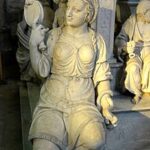 Prudentia
The story of Proserpina begins in the fields, where she often roamed with her friends, the nymphs. It is said that she was so beautiful that she attracted the attention of many gods. However, her innocence and purity made her a beloved figure among mortals as well. Ceres, her mother, was extremely protective of her, ensuring that Proserpina remained safe from the dangers of the world. This protective nature of Ceres highlights the bond between mother and daughter, a theme that recurs throughout their myth.
The Abduction by Pluto
The turning point in Proserpina’s story occurs when she is abducted by Pluto, the god of the underworld. This event is often depicted as a tragic moment, filled with despair and sorrow. Pluto, enamored by Proserpina’s beauty, takes her to his dark realm to be his queen. This act of abduction is significant as it represents the loss of innocence and the beginning of a new chapter in Proserpina’s life. Ceres, upon discovering her daughter’s disappearance, is devastated and begins a desperate search.
During her search, Ceres neglects the earth, causing the crops to wither and the land to fall into despair. This aspect of the myth emphasizes the connection between Proserpina and the agricultural cycles that Ceres governs. The earth’s suffering mirrors Ceres’s emotional turmoil, showcasing how deeply intertwined the lives of gods and nature are in Roman mythology. Ceres’s quest to find her daughter becomes a symbol of maternal love and the lengths a mother will go to for her child.
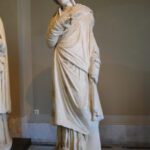 Pudicitia
The Search for Proserpina
Ceres travels the world, calling upon various deities and mortals for help in locating Proserpina. Her journey is filled with trials and tribulations, illustrating the pain of separation and the struggle against the forces of darkness. Ceres’s determination and resilience shine through as she refuses to give up hope. Her sorrow becomes a catalyst for change, affecting not only her but the entire earth.
During her search, Ceres encounters many beings, some of whom offer assistance while others are indifferent to her plight. This journey serves to highlight the themes of compassion and community in Roman mythology. It illustrates how the plight of one can resonate with many, and how unity can emerge from shared suffering. Ceres’s quest becomes a powerful narrative about the importance of love, connection, and the struggle against despair.
The Reunion and the Cycle of Seasons
Eventually, Ceres’s search leads her to the underworld, where she confronts Pluto. In a moment of desperation, she pleads with him to return Proserpina to her. Pluto, moved by Ceres’s sorrow, agrees to let Proserpina go, but with a catch: Proserpina has eaten six pomegranate seeds while in the underworld. This act binds her to Pluto, and thus she must spend six months of the year with him in the underworld and six months with her mother on earth.
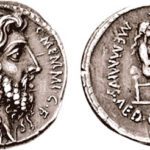 Quirinus
This arrangement is significant as it explains the changing of the seasons in Roman mythology. When Proserpina is with Pluto, Ceres mourns her absence, and winter descends upon the earth. Conversely, when Proserpina returns to her mother, the earth flourishes, bringing spring and summer. This cyclical nature of their relationship symbolizes the eternal cycle of life, death, and rebirth, illustrating how loss can lead to renewal and growth.
Proserpina’s Role in Roman Culture
Proserpina was not just a mythological figure; she played a vital role in Roman culture and religion. Her story was celebrated in various festivals, most notably the Proserpina and Ceres festival, which honored the goddess of agriculture and her daughter. These festivals were important for the agricultural calendar, marking the planting and harvesting seasons. The rituals associated with these celebrations often included offerings of grains, fruits, and flowers, emphasizing the connection between Proserpina, Ceres, and the fertility of the earth.
Additionally, Proserpina was often depicted in art and literature, serving as an inspiration for many poets and artists throughout history. Her story resonates with themes of love, loss, and transformation, making her a compelling figure in the Roman pantheon. The imagery associated with Proserpina often includes symbols of spring, such as flowers and grains, reflecting her dual nature as both a goddess of life and a queen of the underworld.
Proserpina in Literature and Art
Throughout history, Proserpina has been depicted in various forms of literature and art, reflecting her enduring legacy in Roman mythology. Poets such as Ovid and Virgil have explored her story in their works, highlighting the emotional depth of her relationship with both Ceres and Pluto. These literary depictions often emphasize the themes of love and loss, illustrating the profound impact of Proserpina’s journey on the natural world and human experience.
In visual art, Proserpina has been portrayed in countless paintings and sculptures, often depicted alongside Ceres or in scenes depicting her abduction by Pluto. Artists have used her image to explore the contrasts between light and darkness, life and death, and joy and sorrow. The symbolism in these artworks often reflects the duality of Proserpina’s existence, capturing the essence of her character as both a goddess of spring and a queen of the underworld.
The Legacy of Proserpina
Proserpina’s legacy extends beyond the confines of mythology. Her story continues to resonate with people today, serving as a reminder of the complexities of life and the inevitability of change. The themes of her myth—the interplay between love and loss, the cyclical nature of existence, and the bond between mother and daughter—are universal and timeless. These elements allow her story to remain relevant, providing insight into the human experience.
In modern culture, Proserpina’s influence can be seen in literature, art, and even popular media. Her character often serves as a symbol of resilience and transformation, inspiring countless interpretations and adaptations. The enduring nature of her myth reflects the power of storytelling and the ways in which ancient narratives continue to shape our understanding of the world.
The myth of Proserpina offers a rich tapestry of themes and symbols that resonate throughout Roman mythology. Her journey from innocence to experience, coupled with the profound bond between mother and daughter, speaks to the heart of human experience. Proserpina’s story is a powerful reminder of the cycles of life, the importance of love, and the beauty that can emerge from loss. As we reflect on her legacy, we can appreciate the ways in which ancient myths continue to influence our understanding of the world and our place within it.