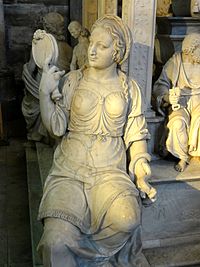
In Roman mythology, Prudentia is a significant figure representing the concept of prudence, wisdom, and careful judgment. She embodies the idea of making thoughtful decisions and understanding the consequences of one’s actions. Prudentia is often depicted as a woman holding a mirror and a serpent, symbols that reflect her dual nature of self-reflection and wisdom. Her character emphasizes the importance of foresight and the ability to navigate life’s challenges with a measured approach. This article will delve into the various aspects of Prudentia, exploring her origins, significance, and the lessons she imparts through Roman mythology.
Origins of Prudentia
The origins of Prudentia can be traced back to ancient Roman beliefs where the virtues were personified as deities. Prudence was considered one of the four cardinal virtues, alongside justice, fortitude, and temperance. The Romans adopted these virtues from earlier Greek philosophy, where they were similarly revered. The concept of prudence was crucial in both cultures as it guided individuals in making wise choices. Prudentia, as a personification, gained popularity in Roman society, particularly during the time of the Empire when the need for wise governance and personal responsibility was emphasized.
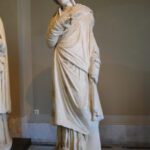 Pudicitia
In Roman art and literature, Prudentia was often depicted in various forms. She is frequently shown with a scroll, representing knowledge, and sometimes with a compass or rudder, symbolizing the navigation of life’s turbulent waters. These attributes underscore her role as a guide, helping individuals to discern the best path forward in both personal and public matters. The visual representations of Prudentia served not only as artistic expressions but also as reminders of the value of wisdom in everyday life.
Symbolism of Prudentia
The symbolism associated with Prudentia is rich and multifaceted. One of the most notable symbols is the mirror, which signifies self-awareness and reflection. This aspect of her symbolism encourages individuals to look inward, assess their motives, and consider the consequences of their actions before making decisions. The mirror serves as a reminder that true wisdom comes from understanding oneself and one’s place in the world.
Another important symbol linked to Prudentia is the serpent. In many cultures, serpents are seen as symbols of knowledge and transformation. For Prudentia, the serpent represents the duality of wisdom; it can be both beneficial and dangerous. This duality teaches us that while knowledge can lead to great understanding and growth, it can also pose risks if not handled with care. Thus, the presence of the serpent in her imagery serves as a cautionary reminder of the need for prudence in the pursuit of knowledge.
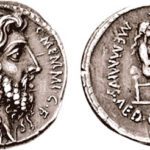 Quirinus
Prudentia in Roman Society
Prudentia played a vital role in Roman society, particularly in the context of governance and leadership. Roman leaders were often expected to embody the virtues of prudence, as their decisions had far-reaching consequences for the empire and its citizens. The concept of wise leadership was deeply ingrained in Roman culture, and leaders who demonstrated prudence were respected and admired. This societal expectation is reflected in the writings of Roman philosophers and statesmen, who frequently extolled the virtues of wise judgment and careful planning.
In addition to its political implications, the value of prudence also extended to personal conduct. Romans believed that individuals should strive to cultivate self-discipline and thoughtfulness in their daily lives. This emphasis on personal responsibility was integral to the Roman identity, as citizens were encouraged to consider the impact of their actions on both themselves and the community. Prudentia, therefore, became a guiding principle for individuals seeking to navigate the complexities of life with integrity and wisdom.
Prudentia in Literature and Art
Throughout history, Prudentia has been depicted in various forms of literature and art, showcasing her importance in Roman culture. Many Roman poets and writers referenced her as a symbol of wise decision-making. For instance, the works of Cicero often highlight the value of prudence in public life and personal affairs. His writings advocate for the cultivation of wisdom as a means of achieving success and harmony in society. This literary tradition reflects the deep-rooted belief in the power of prudence as a guiding force in human behavior.
 Remus
RemusIn visual art, Prudentia has been portrayed in numerous sculptures and paintings, often accompanied by her symbolic attributes. Artists from the Renaissance period, in particular, revived interest in classical themes, including the virtues. Prudentia was frequently depicted in allegorical works that celebrated her wisdom and foresight. These artistic representations served not only as aesthetic expressions but also as moral lessons, reminding viewers of the importance of prudent choices in their own lives.
Prudentia and Modern Interpretations
In contemporary society, the lessons of Prudentia remain relevant. The principles of prudence and wise decision-making are applicable in various aspects of modern life, from personal relationships to professional endeavors. In an age where information is abundant and choices are often overwhelming, the ability to exercise prudence is more critical than ever. Individuals are encouraged to reflect on their values, consider the potential outcomes of their actions, and make informed decisions that align with their long-term goals.
Moreover, the symbolism of Prudentia can be seen in modern discussions around leadership and governance. Effective leaders today are often those who demonstrate a clear understanding of the complexities involved in decision-making. The importance of foresight, empathy, and careful consideration of consequences resonates in various fields, including politics, business, and community leadership. The legacy of Prudentia continues to inspire individuals to strive for wisdom in their choices, emphasizing that prudence is not just a virtue but a necessary skill in navigating the challenges of the modern world.
Lessons from Prudentia
The figure of Prudentia offers several valuable lessons that can be applied in everyday life. One of the primary teachings is the importance of self-reflection. By taking the time to reflect on one’s thoughts, feelings, and actions, individuals can gain a deeper understanding of themselves and make more informed choices. This practice of self-awareness allows people to recognize their strengths and weaknesses, ultimately leading to personal growth and development.
Another lesson from Prudentia is the value of considering consequences. In a fast-paced world where decisions are often made impulsively, the ability to pause and think critically about the potential outcomes of one’s actions is crucial. Prudentia encourages individuals to weigh their options carefully, considering both short-term gains and long-term implications. This thoughtful approach can help prevent regrettable mistakes and promote a more fulfilling and balanced life.
Prudentia in Philosophy
The philosophical implications of Prudentia extend beyond Roman mythology into broader discussions about ethics and morality. Many philosophers have explored the concept of prudence as a central virtue in ethical decision-making. In this context, prudence is seen as the ability to discern the right course of action in various situations, balancing personal desires with the greater good. This philosophical perspective aligns closely with the teachings of ancient philosophers such as Aristotle, who emphasized the importance of practical wisdom.
Furthermore, the dialogue surrounding prudence in philosophy often intersects with discussions on virtue ethics. This ethical framework posits that the development of virtuous character traits, including prudence, is essential for leading a good life. By cultivating virtues, individuals are better equipped to navigate moral dilemmas and make choices that reflect their values. The philosophical discourse surrounding Prudentia highlights the enduring relevance of her lessons in the pursuit of a meaningful and ethical existence.
Prudentia in Education
The principles embodied by Prudentia can also be integrated into educational practices. Teaching students the importance of prudence can foster critical thinking skills and encourage responsible decision-making. Educators can create environments where students learn to reflect on their choices, consider the consequences, and engage in thoughtful discussions about ethical dilemmas. This approach not only enhances academic learning but also prepares students to become conscientious members of society.
Moreover, incorporating the lessons of Prudentia into educational curricula can promote a culture of empathy and understanding. By emphasizing the importance of considering the perspectives of others, students can develop a greater sense of social responsibility. This focus on prudence in education encourages future generations to approach challenges with wisdom and compassion, ultimately contributing to a more harmonious society.
Prudentia serves as a powerful symbol of wisdom and careful judgment in Roman mythology. Her teachings on self-reflection, the consideration of consequences, and the importance of prudence continue to resonate in contemporary society. Through her rich symbolism and historical significance, Prudentia reminds us of the value of making thoughtful choices in all aspects of life, from personal relationships to leadership and governance. As we navigate the complexities of the modern world, the lessons of Prudentia remain a guiding light, encouraging us to embrace wisdom and act with intention.