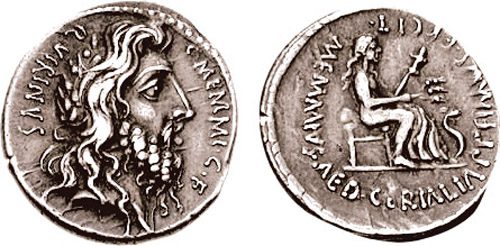
Quirinus is a significant figure in Roman mythology, often associated with the early Roman state and its religious practices. He is primarily known as a god of war and a protector of the Roman people. In the complex tapestry of Roman deities, Quirinus holds a unique place, symbolizing the strength and unity of the Roman state. His attributes and functions evolved over time, reflecting the changing nature of Roman society and its values. Understanding Quirinus provides insight into how the Romans viewed divinity, warfare, and community.
The Origins of Quirinus
The origins of Quirinus are somewhat obscure, as he was initially a deity of the Sabines, a group that lived in the central Italian region. When the Romans expanded their territory and influence, they incorporated many aspects of Sabine culture, including their gods. Quirinus was one of these deities that were absorbed into Roman religion. This integration reflects the Romans’ practice of syncretism, where they blended their own beliefs with those of conquered peoples. The Sabine roots of Quirinus suggest that he was once a god of agriculture and fertility before being reinterpreted as a war deity.
 Remus
RemusOver time, Quirinus became associated with the Roman pantheon and was often linked to other major gods such as Mars, the god of war. This connection illustrates the Romans’ emphasis on military power and the divine protection of their city. Quirinus was worshipped in various forms and names, which indicates his evolving role within the mythology. The transition from a Sabine agricultural deity to a Roman god of war highlights the dynamic nature of religious beliefs in ancient Rome.
Quirinus and Roman State Religion
Quirinus played a crucial role in the religious practices of the early Roman state. As a protector of the community, he was often invoked during times of crisis or conflict. His presence in state rituals signified the importance of divine favor in maintaining the strength and unity of the Roman people. The Romans believed that their success in battle and governance was closely tied to the blessings of their gods, and Quirinus was a central figure in these beliefs.
The worship of Quirinus was formalized through various rituals and ceremonies. One of the most significant was the Quirinalia, a festival celebrated in his honor on February 17. During this festival, offerings were made to Quirinus, and the people sought his protection and guidance. The rituals often included sacrifices, prayers, and communal gatherings, reinforcing the idea that the strength of the Roman state depended on the favor of its deities.
 Robigo
Quirinus in the Roman Calendar
- Quirinalia: Celebrated on February 17.
- Rituals included sacrifices and prayers.
- Emphasized the connection between divine favor and state strength.
The Quirinalia was not only a religious observance but also a time for the community to come together and reaffirm their identity as Romans. The festival served as a reminder of the shared values and beliefs that bound the people together. Quirinus, as a symbol of unity, played a vital role in fostering a sense of belonging among the citizens of Rome.
Quirinus and Warfare
As a god of war, Quirinus was often invoked by Roman generals and soldiers before battles. His association with martial prowess made him a key figure in the military culture of ancient Rome. The Romans believed that by honoring Quirinus, they could secure victory over their enemies and protect their homeland. This connection to warfare further solidified his importance in the Roman pantheon, especially during the Republic and the early Empire.
Quirinus was often depicted in art and literature as a warrior, armed and ready for battle. His imagery served to inspire the Roman soldiers, instilling in them a sense of divine support and courage. The belief that Quirinus was watching over them provided comfort to the troops as they faced the uncertainties of war. This divine protection was crucial in a society that placed immense value on military success and honor.
 Robigus
Quirinus in Roman Literature
- Often depicted as a warrior.
- Symbolized divine support for soldiers.
- Inspiration for military courage.
In Roman literature, Quirinus appears in various texts, where his character and attributes are explored. Authors such as Livy and Ovid mention Quirinus in their works, highlighting his significance in the Roman consciousness. These references not only reinforce his role as a war deity but also illustrate the broader themes of duty, honor, and loyalty that permeated Roman culture. Quirinus embodies the ideals that the Romans aspired to, making him a powerful symbol in their mythology.
Quirinus and the Concept of Citizenship
Quirinus is also associated with the concept of Roman citizenship. In the early days of Rome, citizenship was a privilege that granted individuals certain rights and responsibilities. Quirinus, as a protector of the Roman people, was seen as a guardian of these rights. His worship reinforced the idea that the strength of the state was linked to the loyalty and unity of its citizens.
The Romans believed that being a citizen came with a duty to serve and protect the city. Quirinus represented this ideal, embodying the values of service and sacrifice. His role as a protector of the community emphasized the importance of civic responsibility. The connection between Quirinus and citizenship reflects the Romans’ understanding of their identity and their place within the broader world.
The Responsibilities of Citizenship
- Rights and privileges granted to citizens.
- Emphasis on loyalty and unity.
- Quirinus as a guardian of civic duty.
Quirinus’ association with citizenship was particularly important during times of war. The Romans believed that their military successes were a reflection of their commitment to the state and its values. By invoking Quirinus, they sought to ensure that their efforts in battle were rewarded with victory. This connection between divine favor and civic duty illustrates the integral role that Quirinus played in shaping Roman identity and values.
Quirinus in Later Roman History
As Roman society evolved, so did the perception of Quirinus. During the transition from the Republic to the Empire, the significance of various deities changed. Quirinus, while still revered, began to share the spotlight with other gods such as Jupiter and Mars. This shift reflects the broader changes in Roman religion, where the emphasis began to move towards a more centralized worship of a few major deities.
Despite this shift, Quirinus maintained a place in the religious practices of the Roman Empire. His role as a protector of the state continued to resonate with the people, especially during times of turmoil. Emperors would often invoke Quirinus in their speeches and rituals, reinforcing his importance as a symbol of strength and unity. This continuity of worship demonstrates the enduring legacy of Quirinus in Roman culture.
Quirinus in Imperial Cult
- Shared prominence with Jupiter and Mars.
- Continued relevance during the Empire.
- Invoked by emperors for strength and unity.
The imperial cult, which emerged during the reign of Augustus, also incorporated elements of Quirinus worship. Emperors were often deified after their deaths, and Quirinus’ attributes were sometimes associated with the divine status of these rulers. This blending of traditions illustrates the adaptability of Roman religion and the continued relevance of Quirinus in the context of imperial power.
Quirinus in Art and Iconography
Quirinus has been depicted in various forms of art and iconography throughout Roman history. Statues, reliefs, and coins often featured his likeness, showcasing his importance in both religious and political contexts. These artistic representations served not only as a means of worship but also as a reminder of the values and ideals associated with Quirinus.
In many artistic depictions, Quirinus is shown wearing a toga, symbolizing his connection to the Roman state. He is often depicted holding a spear or a staff, emphasizing his role as a war deity. The iconography associated with Quirinus reflects the broader themes of strength, protection, and civic duty that were central to Roman identity. These artistic representations helped to solidify his place in the collective memory of the Roman people.
Quirinus in Roman Coins
- Statues and reliefs depicting Quirinus.
- Coins featuring his likeness.
- Symbolism of strength and protection.
Coins featuring Quirinus were often minted during significant events, such as military victories or the ascension of new emperors. These coins served as a means of propaganda, reinforcing the idea that the state was under the protection of the gods, particularly Quirinus. The use of his image on currency highlights the intertwining of religion and politics in ancient Rome, illustrating how the divine was invoked to legitimize power and authority.
Quirinus in Modern Scholarship
In modern scholarship, Quirinus continues to be a subject of interest among historians and archaeologists. Researchers explore the complexities of his character and the evolution of his worship throughout Roman history. The study of Quirinus offers valuable insights into the broader themes of religion, politics, and culture in ancient Rome.
Scholars analyze ancient texts, inscriptions, and archaeological findings to piece together the significance of Quirinus in Roman society. This research sheds light on the ways in which the Romans understood their gods and the role these deities played in shaping their identity. The ongoing exploration of Quirinus underscores the importance of mythology in understanding the past and its impact on contemporary perspectives of history.
Modern Interpretations of Quirinus
- Focus on the evolution of his worship.
- Analysis of texts and archaeological findings.
- Insights into Roman identity and culture.
Modern interpretations of Quirinus often emphasize the syncretic nature of Roman religion. Scholars highlight how the blending of different cultural beliefs contributed to the richness of Roman mythology. Quirinus serves as a prime example of this syncretism, representing the fusion of Sabine and Roman traditions. The study of Quirinus encourages a deeper understanding of the complexities of ancient belief systems and their enduring legacies.
The Legacy of Quirinus
The legacy of Quirinus extends beyond ancient Rome, influencing various aspects of culture and religion in later periods. His attributes as a protector and warrior resonate with themes found in many subsequent mythologies. The idea of a deity embodying strength, unity, and civic responsibility can be seen in various cultures throughout history.
Quirinus’ role in Roman mythology has been a source of inspiration for artists, writers, and scholars across the ages. His character serves as a reminder of the values that were central to Roman identity, including duty, loyalty, and the importance of community. The continued interest in Quirinus reflects the enduring fascination with ancient mythology and its relevance to contemporary society.
Influence on Later Cultures
- Themes of strength and unity in later mythologies.
- Inspiration for artists and writers.
- Reflection of Roman values in contemporary society.
Quirinus remains a vital figure in the study of Roman mythology and religion. His multifaceted character illustrates the complexities of ancient belief systems and their impact on society. Through the lens of Quirinus, we gain a deeper understanding of the values that shaped Roman culture and the ways in which these values continue to resonate today.