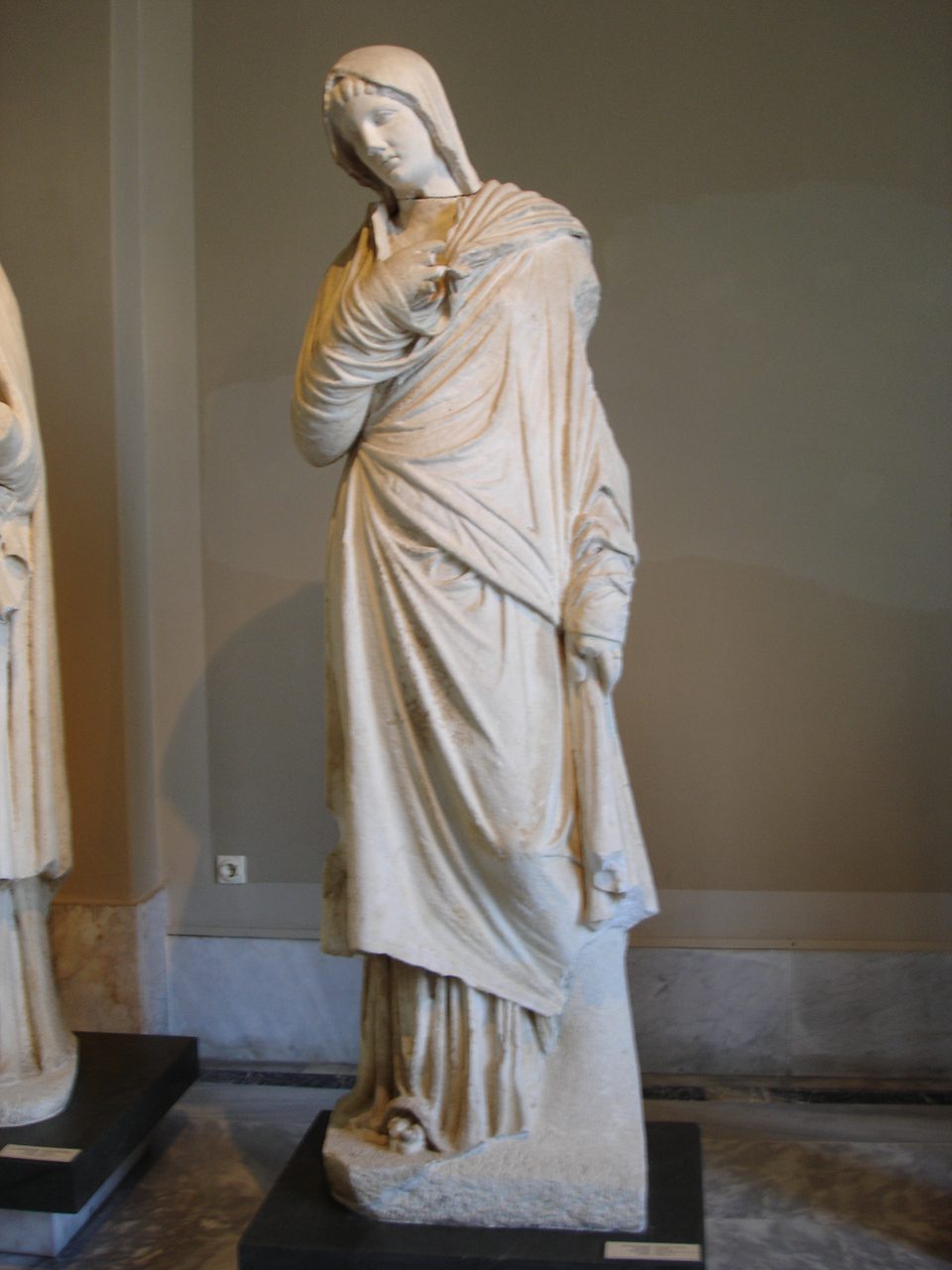
Pudicitia is a fascinating concept in Roman mythology, often personified as a goddess. She represents modesty and chastity, embodying the moral virtues that were highly esteemed in ancient Roman society. The Romans placed a strong emphasis on family values, and Pudicitia served as a reminder of the importance of sexual morality and the virtue of self-control. Her presence in Roman culture signifies the collective belief that modesty was not just a personal attribute but a societal expectation. This article explores the various aspects of Pudicitia, her origins, significance, and the role she played in Roman life.
Origins of Pudicitia
The origins of Pudicitia can be traced back to the early days of Roman civilization. The term itself derives from the Latin word “pudor,” which means shame or modesty. In ancient Rome, these qualities were celebrated, and Pudicitia became a symbol of the ideal Roman woman. She was often invoked in various contexts, particularly in religious ceremonies and festivals aimed at promoting moral conduct. The connection between Pudicitia and the goddess Venus is also noteworthy, as Venus represented love and beauty, while Pudicitia counterbalanced these aspects by emphasizing the importance of chastity and fidelity.
 Quirinus
In Roman art and literature, Pudicitia was often depicted as a modest woman, sometimes draped in simple garments that signified her unpretentious nature. She was not just a figure of individual virtue but a representation of the collective ideals of Roman society. Her influence extended to various aspects of life, including marriage and family dynamics. The Romans believed that a woman’s modesty was essential for maintaining the integrity of the family unit, and Pudicitia served as a guardian of these values.
The Significance of Pudicitia in Roman Society
Pudicitia held significant importance in Roman society, particularly in the context of family and social structure. The Romans viewed modesty as a virtue that transcended personal behavior; it was seen as essential for the stability of the family. Women were expected to embody the qualities of Pudicitia, demonstrating loyalty and fidelity to their husbands. In this way, Pudicitia was not just a personal ideal but a societal expectation that reinforced the moral fabric of Roman life.
Moreover, Pudicitia was often associated with the notion of honor. A woman’s reputation was closely tied to her modesty, and any deviation from this ideal could lead to severe social repercussions. The concept of Pudicitia was also reflected in the legal framework of Rome, where laws existed to protect the sanctity of marriage and to uphold the virtue of women. This societal structure illustrates how deeply ingrained the values represented by Pudicitia were in the Roman worldview.
 Remus
RemusPudicitia in Literature and Art
The representation of Pudicitia in literature and art provides valuable insights into her role in Roman culture. Ancient poets and playwrights often invoked her name when discussing themes of love, fidelity, and moral conduct. In works by authors such as Ovid and Virgil, Pudicitia is frequently referenced to highlight the contrast between lust and virtue. This literary portrayal helped to reinforce the societal norms surrounding modesty and chastity, further embedding these ideals into the Roman consciousness.
In art, Pudicitia was depicted in various forms, from sculptures to frescoes. Artists often portrayed her with attributes that symbolized modesty, such as a veil or a modest dress. These visual representations served as reminders of the importance of these virtues in daily life. The artistic depictions of Pudicitia were not merely aesthetic; they were also didactic, aiming to educate and inspire the public to uphold the values she represented.
Religious Aspects of Pudicitia
Pudicitia was not only a cultural icon but also a significant figure in Roman religion. She was often worshipped in various rituals and ceremonies aimed at promoting moral integrity and chastity. The Romans believed that by honoring Pudicitia, they could invoke her blessings for the protection of their families and the preservation of social order. Festivals dedicated to her often included prayers, offerings, and communal gatherings that reinforced the importance of modesty in society.
 Robigo
In addition to public worship, Pudicitia was also revered in private households. Families would invoke her name during important life events, such as marriages and childbirth, to seek her guidance and protection. This personal connection to Pudicitia highlights the intimate relationship between Roman citizens and their values, demonstrating how deeply ingrained these ideals were in their daily lives.
Pudicitia and Gender Roles
The figure of Pudicitia also reflects the gender roles that were prevalent in ancient Rome. Women were expected to embody her virtues, while men were often tasked with upholding the honor of their families. This dynamic created a societal structure where modesty and chastity were seen as primarily feminine qualities. However, men were equally responsible for maintaining these ideals, as their actions could impact the reputation of their wives and families.
Furthermore, the concept of Pudicitia contributed to the broader discourse on gender and morality in Roman society. While women were often judged based on their adherence to these ideals, men faced their own set of expectations. The notion of honor and reputation was a two-way street, with both genders playing critical roles in upholding the moral standards of their community. This complexity adds depth to our understanding of Pudicitia and her significance in the Roman world.
Modern Interpretations of Pudicitia
In contemporary discussions about gender and morality, Pudicitia serves as a point of reference for examining how societal values evolve over time. Modern interpretations of her character often focus on the implications of modesty and chastity in today’s context. While some view these virtues as outdated, others argue that they still hold relevance in discussions about personal integrity and respect within relationships.
Additionally, the concept of Pudicitia invites critical reflection on how society perceives women’s roles and responsibilities. The dichotomy between sexual liberation and modesty continues to be a topic of debate, echoing the values that Pudicitia represented in ancient Rome. This ongoing dialogue highlights the lasting impact of Roman mythology on contemporary understandings of gender, morality, and societal expectations.
Pudicitia in Comparative Mythology
When examining Pudicitia within the broader context of mythology, it becomes clear that many cultures have their own representations of modesty and chastity. For instance, in Greek mythology, the goddess Artemis embodies similar virtues, representing purity and protection of young women. These parallels underscore a universal theme in mythology: the celebration of modesty as a virtue that transcends cultural boundaries.
Comparative mythology also reveals how different societies interpret the concept of modesty. While the Romans emphasized the importance of family honor and societal expectations, other cultures may approach the topic from different angles, such as individual freedom or spiritual purity. This diversity in interpretation enriches our understanding of how values like modesty are constructed and perceived across different civilizations.
The Legacy of Pudicitia
The legacy of Pudicitia continues to resonate in various aspects of modern life. Her representation as a symbol of modesty and chastity has sparked discussions about the relevance of these virtues in contemporary society. As people navigate complex conversations about gender, relationships, and morality, the ideals embodied by Pudicitia provide a historical lens through which to examine current values.
Furthermore, Pudicitia’s influence can be seen in literature, art, and popular culture, where themes of modesty and virtue often emerge. The character of Pudicitia serves as a reminder of the enduring nature of these discussions and the ways in which ancient values continue to shape modern perspectives on morality and ethics.
Pudicitia in Popular Culture
In recent years, Pudicitia has found her way into popular culture, appearing in various forms of media that explore themes of modesty and virtue. Television shows, films, and literature often reference her ideals when addressing issues related to relationships, personal integrity, and societal expectations. This modern representation highlights the ongoing relevance of her character in a rapidly changing world.
Moreover, the discussions surrounding Pudicitia in popular culture often provoke deeper reflections on gender roles and societal norms. By revisiting the ideals she represents, contemporary audiences are encouraged to question and redefine their understanding of modesty, chastity, and personal values. This engagement with the past demonstrates the lasting impact of Roman mythology on current cultural narratives.
Pudicitia stands as a significant figure in Roman mythology, embodying the virtues of modesty and chastity that were integral to the social fabric of ancient Rome. Her origins, significance, and representations in literature, art, and religion highlight the importance of these ideals in shaping Roman society. As discussions around gender and morality continue to evolve, Pudicitia’s legacy remains relevant, prompting modern audiences to reflect on the values that govern personal and societal conduct.