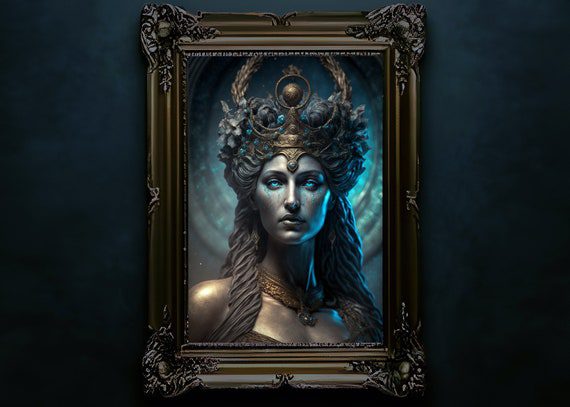
In the realm of Roman mythology, many deities and figures have captured the imagination of people throughout history. One such figure is Postvorta, a goddess associated with the themes of birth and new beginnings. While not as widely known as other Roman gods and goddesses, Postvorta plays an important role in the understanding of Roman religious practices and beliefs. This article delves into her attributes, significance, and the rituals surrounding her worship.
The Origins of Postvorta
The origins of Postvorta can be traced back to the ancient Roman tradition of venerating deities that embody specific aspects of life. The name “Postvorta” itself can be broken down into two parts: “post,” meaning “after,” and “vorta,” which is derived from the word “vertere,” meaning “to turn.” Thus, her name signifies the act of turning or changing, which aligns with her role in overseeing transitions, particularly in the context of birth and rebirth.
 Proserpina
Postvorta is often considered the counterpart to another goddess, Antevorta, who represents the beginning of life. Together, they embody the cycle of life and death, highlighting the Romans’ understanding of existence as a series of transitions. This duality reflects the Romans’ respect for the natural order of life, where every end is followed by a new beginning.
Attributes and Symbolism
Postvorta is commonly depicted as a nurturing figure, often associated with motherhood and the protection of children. She is sometimes illustrated with symbols that represent fertility and growth, such as flowers or grain. These symbols reinforce her connection to life and the nurturing aspects of motherhood. Additionally, she is sometimes shown with a torch, symbolizing the light of knowledge and the hope that comes with new beginnings.
 Prudentia
Her attributes extend beyond mere symbolism; they also reflect the values of Roman society. The Romans placed great emphasis on family, and the role of women as caretakers was vital. Postvorta’s association with birth and family makes her an important figure in Roman culture, as she embodies the ideals of nurturing and continuity within the family unit.
Worship and Rituals
The worship of Postvorta was often intertwined with that of Antevorta. Romans would perform rituals to honor both goddesses, particularly during times of pregnancy and childbirth. These rituals were designed to invoke their protection and blessings, ensuring the health and safety of both the mother and the child. Offerings were made at altars dedicated to the goddesses, often consisting of food, flowers, and other items deemed precious.
One of the most significant rituals involved the use of incantations and prayers, where mothers would seek the favor of Postvorta. These invocations were meant to appeal to her nurturing spirit, asking for a smooth delivery and a healthy baby. The community often participated in these rituals, highlighting the collective responsibility of caring for new life and the importance of family support during childbirth.
 Pudicitia
Postvorta in Literature and Art
Postvorta, though not as frequently mentioned as other deities, has made appearances in various literary works from ancient Rome. Writers such as Ovid and Virgil referenced the themes of birth and transformation that she embodies. Their works often reflect the Roman worldview, where deities like Postvorta were essential to understanding the complexities of life.
In Roman art, Postvorta is sometimes depicted alongside Antevorta, emphasizing their complementary nature. Artistic representations often showcase their nurturing qualities, with both goddesses portrayed as gentle and caring figures. Such depictions serve to remind the viewer of the importance of motherhood and the sanctity of life, aligning with the broader themes of Roman culture.
Postvorta and the Roman Family
The family unit was central to Roman society, and Postvorta’s role as a protector of mothers and children highlights this significance. She is often invoked during family gatherings and celebrations, particularly those related to the birth of children. Families would honor her in their homes, creating small altars where they could offer prayers and thanks for her blessings.
Moreover, Postvorta’s influence extends to the naming of children. Romans believed that invoking her name during the naming ceremony would bestow a protective aura on the child. This belief reflects the deep-seated connection between mythology and everyday life in Rome, where the divine was interwoven with the mundane.
Postvorta in Modern Context
In contemporary discussions of mythology, Postvorta may not receive as much attention as other deities, but her themes remain relevant. The concepts of birth, rebirth, and new beginnings resonate with many aspects of modern life. In various cultures, there is still a strong emphasis on the significance of motherhood and the transitions associated with it.
Additionally, the exploration of female deities like Postvorta can provide insight into how ancient cultures viewed gender roles and the divine feminine. Scholars and enthusiasts of mythology continue to study these figures to understand their impact on historical and cultural narratives. Postvorta serves as a reminder of the vital role women play in both mythology and society.
Postvorta, as a goddess of birth and new beginnings, holds a unique place in the tapestry of Roman mythology. Her attributes, worship practices, and representations in literature and art highlight the values of Roman society and the significance of family. Although she may not be as widely recognized today, her themes remain pertinent in discussions about motherhood, transformation, and the cyclical nature of life.