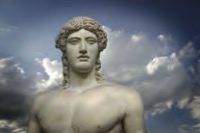
Portunus is a significant figure in Roman mythology, often associated with the protection of harbors and ports. His role was essential in ancient Roman society, especially because Rome was a major maritime power. Portunus was regarded as a guardian deity who ensured the safety of ships and the successful navigation of waters. The Romans believed that invoking Portunus would help sailors during their journeys, making him an important figure for both merchants and fishermen. His presence was often sought before embarking on voyages, as he was thought to provide favorable winds and calm seas.
The Attributes of Portunus
Portunus is typically depicted as a robust figure, embodying strength and resilience. He is often shown with a key, symbolizing his role as the guardian of doors and harbors. This key represents not only the physical entry to the ports but also the opening of opportunities for trade and commerce. His imagery often reflects the practical aspects of life in ancient Rome, highlighting the importance of maritime activities in the economy. Additionally, Portunus is sometimes associated with a fishing net or other maritime tools, further emphasizing his connection to the sea and fishing.
 Postvorta
In Roman art, Portunus can be recognized by certain symbols that are closely related to his domain. The fishing net and anchor are common elements found in representations of this deity. These symbols not only signify his protective nature over the waters but also illustrate the daily lives of the Romans who relied heavily on the sea for their livelihood. Portunus is also closely linked to other deities, such as Neptune, the god of the sea, but he holds a more specialized role focused on the safety and success of maritime activities.
Cults and Worship of Portunus
The worship of Portunus was an integral part of Roman religious practices. He had a dedicated festival known as the Portunalia, celebrated on August 17th each year. During this festival, Romans would offer sacrifices and perform rituals to honor Portunus, seeking his blessings for safe travels and prosperous trade. The celebration included various activities, such as feasting and games, reflecting the joy and gratitude of the people towards their protective deity. The Portunalia was not just a time for worship; it was also a significant social event that brought communities together.
In addition to the Portunalia, there were various shrines and temples dedicated to Portunus throughout Rome. One of the most famous is the Temple of Portunus, located near the Tiber River. This temple is a fine example of Roman architecture and reflects the importance of Portunus in the lives of the Romans. People would visit the temple to pray for safe journeys and to thank Portunus for his protection. The architecture of the temple itself, with its columns and altars, served as a physical manifestation of the reverence the Romans held for this deity.
 Proserpina
Portunus in Literature and Art
Portunus is mentioned in various works of Roman literature, where poets and writers highlight his significance in the daily lives of the Romans. One notable mention can be found in the works of Ovid, who wrote about the importance of Portunus in relation to the sea and commerce. His verses often celebrate the relationship between humans and the divine, illustrating how the Romans viewed their gods as active participants in their lives. Portunus, as a protector of harbors, embodies the intersection of human effort and divine assistance.
Artistic representations of Portunus can be seen in numerous mosaics and frescoes from the Roman era. These artworks often depict scenes of maritime life, showcasing the importance of fishing and trade in Roman culture. The depictions of Portunus in art serve not only as a tribute to his divine role but also as a reflection of the lifestyle and values of the Roman people. Through these artistic expressions, we gain insight into how the Romans honored their gods and the significance they placed on maritime safety.
Portunus and Modern Interpretations
 Prudentia
In contemporary times, the figure of Portunus has been reinterpreted in various ways. Many modern scholars and enthusiasts of mythology examine his role within the broader context of Roman religion and culture. Portunus is often discussed in relation to other deities, exploring the complex interactions and relationships among the pantheon of Roman gods. This analysis helps to shed light on the values and beliefs of ancient Roman society, particularly regarding the importance of maritime activities.
Furthermore, the legacy of Portunus continues to influence modern culture, particularly in areas related to maritime practices. His image can be found in various nautical symbols and is sometimes invoked in maritime traditions, reflecting the ongoing respect for the sea and its dangers. In literature and art, Portunus serves as a reminder of the rich tapestry of Roman mythology and its lasting impact on contemporary society. The study of Portunus not only enriches our understanding of Roman beliefs but also connects us to the ancient world in a meaningful way.
The Symbolism of Portunus
The symbolism associated with Portunus is rich and multifaceted. As a guardian of harbors, he represents protection and security for sailors and traders. His key symbolizes access to new opportunities and the opening of doors to prosperity. This idea of unlocking potential is an important aspect of Portunus’s character, as he is seen as a facilitator of safe travels and successful ventures. The imagery of the sea, often turbulent and unpredictable, contrasts with the calm and safety that Portunus provides.
Moreover, Portunus embodies the relationship between humans and the natural world. His role emphasizes the importance of respecting the sea and understanding its power. The ancient Romans recognized that while they could seek the favor of deities like Portunus, they must also be mindful of the forces of nature. This balance between human ambition and respect for the environment is a key theme in the worship of Portunus, reminding us of the interconnectedness of life and the natural world.
Portunus and the Roman Economy
The significance of Portunus extends beyond mythology and religion; it is deeply intertwined with the Roman economy. The safety of trade routes and harbors was crucial for the prosperity of Rome. As a maritime power, Rome relied heavily on trade, both for goods and resources. Portunus, as the protector of harbors, played a vital role in ensuring that these economic activities could flourish. The success of merchants and fishermen was directly linked to the blessings of Portunus, making him an essential figure in the economic landscape of ancient Rome.
Portunus’s influence on the economy can also be seen in the rituals and offerings made by merchants before embarking on their journeys. These practices were not merely acts of superstition; they were deeply rooted in the understanding that divine favor was necessary for success in trade. The rituals often included offerings of food, wine, and even valuable items, demonstrating the respect and reverence that Romans had for Portunus. This relationship between the deity and the economy illustrates the profound impact of religion on daily life in ancient Rome.
Portunus in Comparative Mythology
When studying Portunus, it is fascinating to compare him with similar deities from other cultures. Many ancient civilizations had gods and goddesses who were protectors of the sea and harbors. For example, the Greek god Poseidon shares similarities with Portunus, as both deities are associated with water and navigation. However, while Poseidon is primarily known as the god of the sea, Portunus’s role is more focused on the specific needs of harbors and safe passage. This distinction highlights the unique aspects of Roman mythology and its adaptation of earlier Greek influences.
In addition to Poseidon, other cultures have their own maritime deities. For instance, the Norse god Njord is also a protector of sailors and fishermen. These comparative studies reveal how different societies conceptualize the dangers of the sea and the need for divine protection. By examining Portunus alongside these other figures, we gain a deeper understanding of the universal human experience of seeking safety and guidance in the face of nature’s unpredictability.
The Legacy of Portunus
The legacy of Portunus continues to resonate in various aspects of modern culture. His influence can be seen in the ongoing reverence for the sea and the acknowledgment of its power. In literature, Portunus serves as a symbol of protection and guidance, often invoked in stories that explore themes of adventure and risk. The connection between humans and the sea remains a prevalent topic, reflecting the enduring relevance of Portunus’s attributes in contemporary narratives.
Furthermore, the archaeological remnants of the Temple of Portunus and other sites dedicated to him serve as a reminder of the ancient Roman world. These sites attract scholars, tourists, and enthusiasts alike, eager to learn about the history and significance of this deity. The preservation of such sites ensures that the stories of Portunus and his role in Roman mythology will continue to be shared with future generations. Through education and exploration, the legacy of Portunus lives on, reminding us of the rich tapestry of human history and belief.