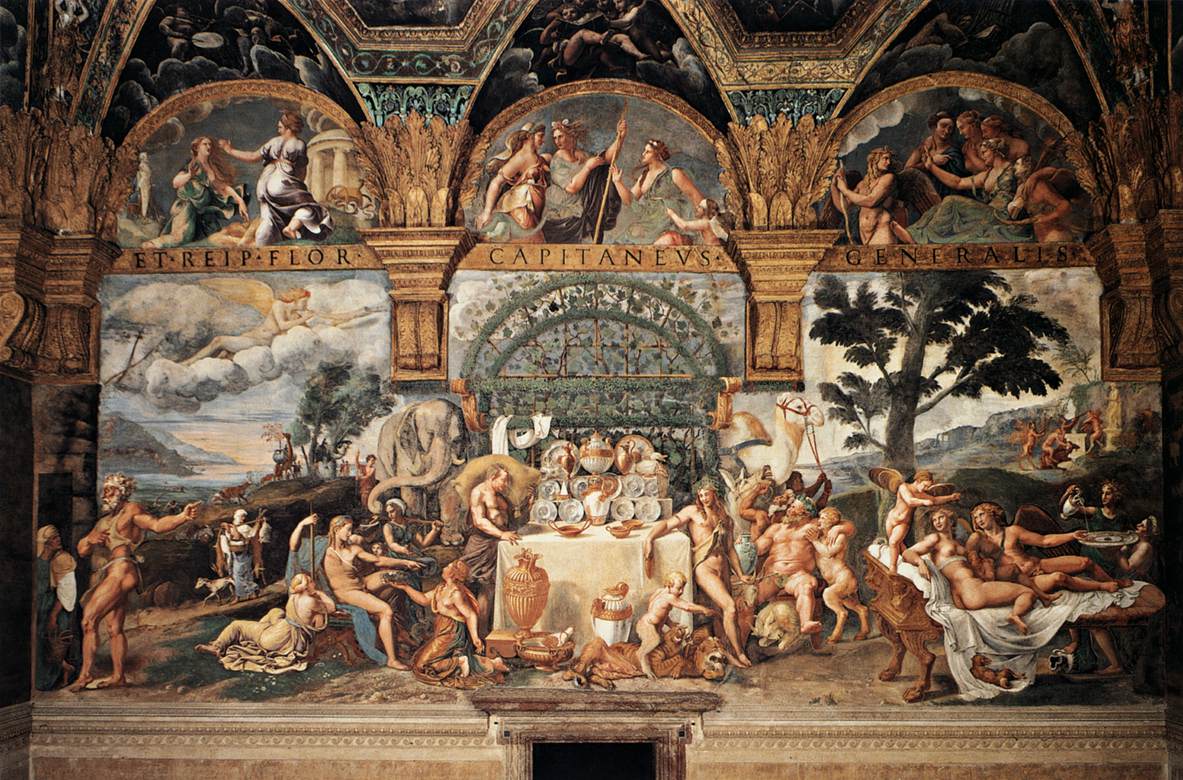
In Roman mythology, Voluptas is the personification of pleasure and sensual enjoyment. She embodies the idea of physical and emotional satisfaction, representing the joys of life that people often seek. Voluptas is a lesser-known deity compared to other figures in Roman mythology, but her significance is profound. She reminds us of the importance of taking pleasure in our lives and enjoying the world around us. In this article, we will explore her origins, symbolism, and the role she plays in Roman culture.
Origins of Voluptas
The origins of Voluptas can be traced back to ancient Roman beliefs about the gods and their influence on human experiences. Voluptas is often associated with other deities that represent similar concepts, such as Venus, the goddess of love and beauty. While Venus represents romantic and sexual love, Voluptas focuses more on the broader concept of pleasure in all its forms. This distinction highlights the various dimensions of enjoyment that the Romans valued in their lives.
 Pomona
In Roman art and literature, Voluptas is depicted as a beautiful young woman, often surrounded by symbols of pleasure and luxury. She is sometimes shown with her father, Bacchus, the god of wine, who further emphasizes the connection between pleasure and indulgence. The Romans believed that pleasure could be found in various aspects of life, including food, drink, music, and even intellectual pursuits. Thus, Voluptas serves as a reminder that enjoyment is an essential part of the human experience.
Symbolism of Voluptas
Voluptas symbolizes not only physical pleasure but also the emotional satisfaction that comes from experiencing joy in life. She represents the balance between indulgence and moderation, encouraging individuals to seek pleasure while also being mindful of their limits. This duality is crucial in understanding Roman attitudes towards enjoyment and excess.
In artistic representations, Voluptas is often associated with various symbols. For instance, she might be depicted with flowers, which signify beauty and the fleeting nature of life. Additionally, fruits, especially grapes, are commonly included in her iconography, representing the sweetness of life and the joy found in abundance. These symbols remind us that pleasure can be found in both simple and luxurious experiences.
 Portunus
Key Symbols Associated with Voluptas
- Flowers: Represent beauty and the ephemeral nature of pleasure.
- Fruits: Symbolize abundance and the sweetness of life.
- Music: Reflects the joy of artistic expression and emotional fulfillment.
Voluptas in Roman Culture
In Roman culture, the pursuit of pleasure was often seen as a natural part of life. The Romans believed that enjoying life was essential for personal happiness and social harmony. Festivals and celebrations were common, allowing people to indulge in various forms of pleasure. Voluptas played a significant role in these cultural practices, serving as a guiding force for those seeking enjoyment.
The Romans also recognized the importance of balance in their lives. While they celebrated pleasure, they also valued moderation and self-control. This belief is reflected in their literature and philosophy, where thinkers often discussed the merits of enjoying life without succumbing to excess. Voluptas embodies this idea, encouraging individuals to find joy while remaining aware of their responsibilities and limits.
Voluptas in Art and Literature
Throughout history, Voluptas has been depicted in various forms of art and literature. In paintings and sculptures, she is often portrayed as an idealized figure, embodying beauty and grace. Artists have used her image to explore themes of pleasure, desire, and the human experience. These representations serve as a reminder of the importance of enjoying life and embracing the joys that come with it.
 Postvorta
In literature, Voluptas is often mentioned in the context of love and desire. Poets and writers have used her as a symbol of the pleasures found in romantic relationships, highlighting the emotional and physical aspects of love. This connection between Voluptas and love reinforces the idea that pleasure is an integral part of human relationships, enriching our lives and experiences.
Examples of Artistic Representations
- Paintings: Artists like Botticelli have depicted Voluptas in works celebrating beauty and love.
- Sculptures: Statues often capture her graceful form, emphasizing her connection to pleasure.
- Literature: Poets like Ovid have written about the joys of love, invoking Voluptas as a symbol of desire.
The Legacy of Voluptas
The legacy of Voluptas continues to influence modern perceptions of pleasure and enjoyment. In contemporary society, the pursuit of happiness and fulfillment remains a central theme in many cultures. Voluptas serves as a reminder that pleasure is not only desirable but also essential for a well-rounded life. Her presence in art and literature highlights the timeless nature of the quest for joy.
Moreover, Voluptas encourages individuals to embrace their desires and seek out experiences that bring them happiness. In a world that often emphasizes work and productivity, her message is particularly relevant. It is essential to find moments of joy and indulge in the pleasures that life has to offer, whether through simple activities or more extravagant experiences.
Voluptas and the Concept of Pleasure
Understanding Voluptas requires a deeper exploration of the concept of pleasure itself. Pleasure can be defined in various ways, including physical, emotional, and intellectual satisfaction. Voluptas embodies all these aspects, representing the multifaceted nature of enjoyment. This understanding is crucial for appreciating her role in Roman mythology and culture.
Physical pleasure often comes from the senses, such as taste, touch, and sight. Voluptas encourages individuals to savor the experiences that stimulate these senses, whether it be through delicious food, beautiful art, or the warmth of a loved one’s embrace. Emotional pleasure, on the other hand, relates to feelings of happiness, love, and contentment. Voluptas serves as a reminder that emotional fulfillment is just as important as physical enjoyment.
Dimensions of Pleasure
- Physical Pleasure: Enjoyment derived from sensory experiences.
- Emotional Pleasure: Satisfaction from relationships and personal connections.
- Intellectual Pleasure: Joy found in learning and personal growth.
Voluptas and Modern Society
In today’s world, the pursuit of pleasure often takes on new forms and meanings. With the rise of social media and technology, people have access to a vast array of experiences that can bring joy. However, this also raises questions about the nature of pleasure and how it is pursued. Voluptas can serve as a guiding figure, reminding us to seek genuine enjoyment rather than superficial gratification.
Moreover, the concept of self-care has become increasingly popular in modern society. Voluptas aligns with this idea, encouraging individuals to prioritize their well-being and take time for themselves. Whether through relaxation, hobbies, or spending time with loved ones, finding pleasure in everyday life is essential for mental and emotional health.
Voluptas and Philosophy
The philosophical discussions surrounding pleasure have evolved over time, with various thinkers exploring its role in human existence. Ancient philosophers like Epicurus emphasized the importance of pleasure as a fundamental aspect of a good life. They argued that seeking pleasure should be done thoughtfully, considering the long-term effects on one’s happiness. This perspective aligns closely with the teachings of Voluptas, who embodies the idea of enjoying life while maintaining balance.
In modern philosophy, the exploration of pleasure continues, with debates about its ethical implications and the role it plays in human fulfillment. Voluptas serves as a reminder that pleasure is not inherently good or bad; rather, it is how we approach and engage with pleasure that determines its value in our lives. This nuanced understanding encourages individuals to reflect on their desires and find meaningful ways to experience joy.
Philosophical Perspectives on Pleasure
- Epicureanism: Emphasizes thoughtful pursuit of pleasure.
- Utilitarianism: Considers pleasure as a measure of moral value.
- Existentialism: Explores the individual’s search for meaning and joy.
Celebrating Voluptas Today
In contemporary culture, there are numerous ways to celebrate and honor the spirit of Voluptas. Festivals, art exhibitions, and social gatherings often focus on the themes of pleasure and enjoyment. These events provide opportunities for people to connect with one another and embrace the joys of life. Whether through music, dance, or culinary experiences, celebrating Voluptas encourages individuals to appreciate the beauty and richness of existence.
Additionally, personal practices such as mindfulness and gratitude can help individuals cultivate a deeper appreciation for pleasure. By being present in the moment and recognizing the joys around us, we can embody the spirit of Voluptas in our daily lives. This practice not only enhances our own experiences but also fosters a sense of community as we share moments of joy with others.
Voluptas stands as a significant figure in Roman mythology, representing the essence of pleasure and enjoyment. Her legacy reminds us of the importance of seeking joy in our lives, whether through physical, emotional, or intellectual pursuits. By understanding and celebrating Voluptas, we can embrace a more fulfilling and balanced approach to pleasure in our modern world.