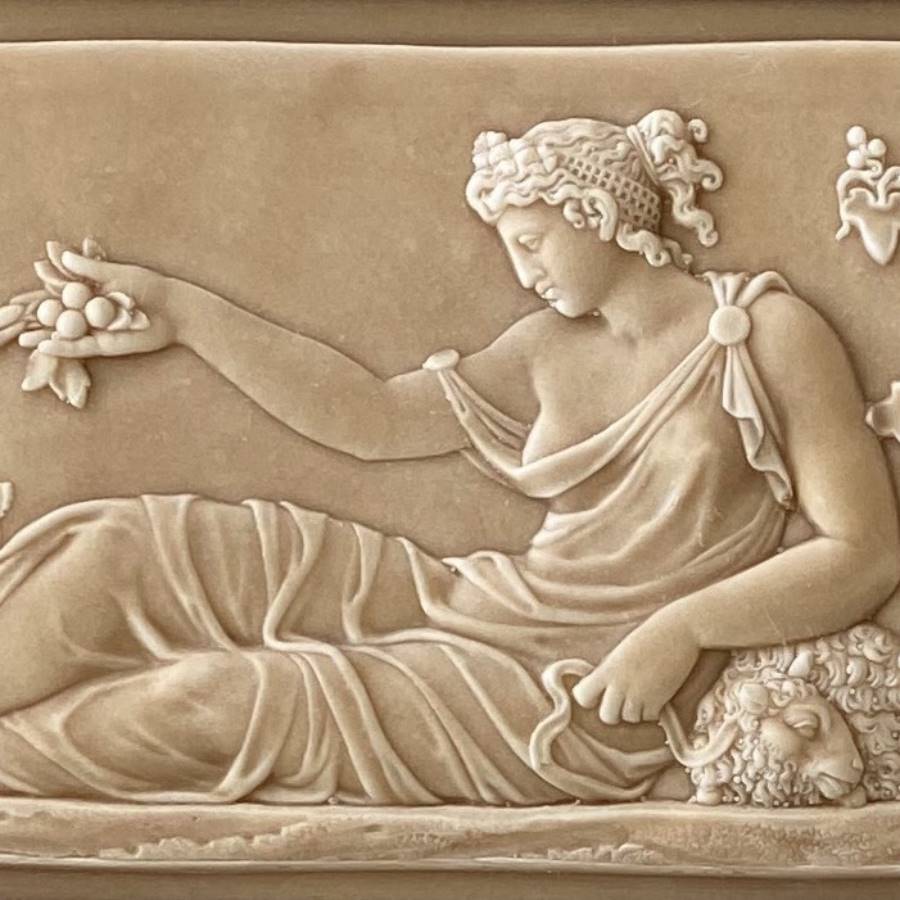
In Greek mythology, epimeliads are fascinating and often overlooked figures. They are considered the nymphs of the pastures and are associated with the care of sheep and goats. The name “epimeliad” comes from the Greek word “epimelios,” which translates to “shepherd.” These nymphs were believed to be responsible for the well-being of livestock and the fertility of the land. Their role in mythology highlights the importance of agriculture and animal husbandry in ancient Greek society.
The Role of Epimeliads in Greek Mythology
The epimeliads played a crucial role in the lives of shepherds and farmers. They were often depicted as beautiful young women, embodying the spirit of nature and the bounty of the earth. These nymphs were not just guardians of the flocks; they were also protectors of the land itself. Their presence was believed to ensure the growth of grass and the health of the animals that grazed on it.
 Epimetheus
In various myths, the epimeliads are shown helping shepherds in times of need. For example, they would guide lost sheep back to their herds or protect them from predators. This protective aspect of their nature made them beloved figures among those who relied on livestock for their livelihood. The epimeliads also symbolized the connection between humans and nature, emphasizing the importance of living in harmony with the environment.
Characteristics and Depictions of Epimeliads
Epimeliads are often described as graceful and enchanting beings. They are usually portrayed as young women with flowing hair and wearing simple, natural garments made from materials like leaves and flowers. Their beauty was not only physical; it also represented the fertility and abundance of the earth. In art, they are frequently shown in pastoral scenes, surrounded by lush landscapes and flocks of sheep or goats.
These nymphs were often depicted in the company of other nature spirits, such as nymphs of rivers and trees. This highlights their role in the broader tapestry of Greek mythology, where various deities and spirits interact to create a harmonious world. The epimeliads, with their gentle and nurturing nature, were seen as essential contributors to the balance of nature.
 Epione
Symbolism of the Epimeliads
The epimeliads symbolize several key aspects of ancient Greek culture. First and foremost, they represent the importance of agriculture and animal husbandry. In a society that depended heavily on farming and livestock, these nymphs were vital figures who ensured the success of these endeavors. Their connection to the land and its fertility underscores the reverence that the Greeks had for nature.
- Fertility: Epimeliads are often associated with the fertility of the earth, emphasizing the need for a good harvest.
- Protection: They are seen as protectors of livestock, ensuring the safety and health of animals.
- Harmony: The epimeliads symbolize the balance between humans and nature, reminding people to live in harmony with their surroundings.
Additionally, the epimeliads embody the spirit of nurturing and care. Their protective nature reflects the qualities of a good shepherd or farmer, emphasizing the need for dedication and love in tending to the land and animals. This nurturing aspect is a central theme in many myths where the epimeliads are featured, showcasing their role as caretakers of both nature and humanity.
 Erato
EratoMyths Involving Epimeliads
Several myths in Greek mythology feature the epimeliads, showcasing their importance in the lives of mortals. One popular tale involves a shepherd who becomes lost while searching for his flock. In his time of despair, the epimeliads appear to guide him back to safety, demonstrating their role as protectors. This myth highlights not only their nurturing qualities but also the deep connection between humans and the natural world.
Another story tells of a young girl who accidentally strays into a pasture filled with sheep. The epimeliads, noticing her presence, take her under their wing and teach her the ways of the land. They show her how to care for the animals and cultivate the earth, emphasizing the importance of knowledge and respect for nature. This myth serves as a reminder of the lessons that can be learned from the environment and the importance of living in harmony with it.
Epimeliads in Literature and Art
The epimeliads have been referenced in various works of literature and art throughout history. They often appear in pastoral poetry, where poets celebrate the beauty of nature and the simple life of shepherds. Their presence in these works serves to remind readers of the interconnectedness of all living things and the importance of nurturing the earth.
- Pastoral Poetry: Poets like Theocritus and Virgil often included nymphs in their works, celebrating their beauty and connection to nature.
- Visual Art: Artists depicted epimeliads in serene landscapes, often showing them caring for animals or dancing in fields.
- Symbol of Nature: The epimeliads are used as symbols of the natural world’s beauty and the importance of preserving it.
In visual art, epimeliads are often portrayed in serene landscapes, surrounded by blooming flowers and grazing animals. These images evoke a sense of peace and harmony, illustrating the ideal relationship between humans and nature. The use of epimeliads in art serves as a reminder of the beauty that can be found in the natural world and the need to protect it.
The Legacy of Epimeliads
The legacy of the epimeliads continues to resonate in modern culture. Their representation of nature and the nurturing aspects of humanity can be seen in various forms of art, literature, and even environmental movements. As society becomes more aware of the importance of caring for the earth, the values embodied by the epimeliads gain renewed significance.
Many contemporary artists and writers draw inspiration from the themes associated with the epimeliads. They use these figures to explore the relationship between humanity and nature, often highlighting the need for balance and respect. This ongoing fascination with the epimeliads reflects a broader cultural shift towards valuing the environment and recognizing our responsibility to protect it.
Modern Interpretations of Epimeliads
In modern interpretations, the epimeliads are sometimes reimagined as environmental guardians. They symbolize the need for sustainable practices and the importance of preserving natural resources. This reinterpretation aligns with current global challenges, such as climate change and habitat destruction, making the epimeliads relevant figures in today’s discussions about environmental stewardship.
- Environmental Guardians: Modern interpretations often depict epimeliads as protectors of nature, advocating for sustainable practices.
- Symbol of Sustainability: They are used as symbols in campaigns promoting environmental awareness and conservation.
- Connection to Nature: Contemporary literature often emphasizes the need to reconnect with the natural world, echoing the values of the epimeliads.
This modern perspective encourages individuals to reflect on their relationship with nature and consider how they can contribute to a more sustainable future. The epimeliads, as symbols of care and protection, inspire people to take action in their own lives, whether through gardening, supporting local farms, or advocating for environmental policies.
Conclusion of Epimeliads in Greek Mythology
the epimeliads are captivating figures within Greek mythology, representing the vital connection between humans and the natural world. Their roles as protectors of livestock and nurturers of the land highlight the importance of agriculture and environmental stewardship in ancient Greek society. Through various myths, art, and literature, the legacy of the epimeliads continues to inspire modern interpretations and discussions about the relationship between humanity and nature.