
In the realm of Baltic mythology, the concept of Patollo holds a significant place. Patollo is often considered a deity or spirit associated with the natural world, embodying various aspects of life, nature, and the environment. The Baltic region, which includes countries such as Lithuania, Latvia, and Estonia, is rich in folklore and traditions that reflect the deep connection between the people and their surroundings. The stories of Patollo are intertwined with the cycles of nature, the changing seasons, and the beliefs of the ancient Baltic tribes.
The Origin of Patollo
The origins of Patollo can be traced back to the ancient beliefs of the Baltic tribes. These tribes revered nature and saw it as a living entity filled with spirits and deities. Patollo is often depicted as a guardian of the forests, rivers, and fields. The name itself has roots in the ancient languages of the region, signifying a connection to the earth and its resources. As the tribes engaged in agriculture and hunting, they looked to Patollo for guidance and protection.
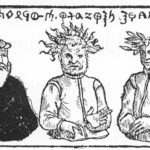 Patrimpas
Many stories tell of how Patollo interacted with the people. He was not just a distant deity but rather a presence that could be felt in the rustling of leaves or the flow of a river. In these tales, Patollo would often appear in times of need, providing assistance to those who respected the land and its creatures. This relationship between humans and Patollo reflects a broader theme in Baltic mythology: the importance of living in harmony with nature.
Patollo in Nature
Patollo’s influence is evident in various aspects of the natural world. He is often associated with forests, which are considered sacred spaces. The forests were believed to be alive with spirits, and Patollo was seen as the protector of these realms. The trees, animals, and plants were all part of his domain, and the people would often perform rituals to honor him. These rituals were essential for ensuring a good harvest and maintaining the balance of the ecosystem.
In many stories, Patollo is described as a wise figure who understands the secrets of the earth. He teaches the people about the cycles of nature, including the changing of the seasons. For instance, in spring, Patollo would guide the animals as they emerged from their winter slumber, and in autumn, he would remind the people to gather their harvests. This cyclical understanding of life is a cornerstone of Baltic beliefs and showcases the deep respect the people had for the natural world.
 Autrimpas
Rituals and Celebrations
The worship of Patollo was often intertwined with various rituals and celebrations. These events were held throughout the year, aligning with the agricultural calendar and the changing seasons. For example, during the spring equinox, communities would gather to celebrate the return of life to the earth. They would offer sacrifices, such as food or crafted items, to Patollo, asking for his blessing on the upcoming planting season.
- Spring Equinox: Celebrated with feasts and offerings to Patollo.
- Summer Solstice: A time for joy and gratitude, honoring the abundance of nature.
- Autumn Harvest Festival: Acknowledging Patollo’s role in providing a bountiful harvest.
Each of these celebrations involved music, dancing, and storytelling, which helped to strengthen community bonds. The tales of Patollo and his adventures would be recounted, reinforcing the values of respect for nature and the importance of living in harmony with it. Through these rituals, the people expressed their gratitude and sought to maintain a reciprocal relationship with the earth.
 Auschauts
Patollo and the Animal Kingdom
In Baltic mythology, animals play a crucial role, and Patollo is often depicted as their guardian. He is believed to have the ability to communicate with all creatures, from the smallest insects to the largest mammals. This connection highlights the belief that all beings are interconnected and deserving of respect. Patollo’s teachings often included lessons on how to coexist peacefully with the animal kingdom, emphasizing the importance of not taking more than what is needed.
Many stories feature animals as central characters, showcasing their wisdom and the lessons they can impart. For example, a tale might tell of how Patollo helped a lost deer find its way home or how he taught hunters to respect the balance of nature by only taking what was necessary. These stories serve as reminders of the ethical responsibilities humans have toward animals and the environment.
Patollo in Modern Times
Today, the legacy of Patollo continues to resonate within the Baltic cultures. While modern society has changed significantly, the connection to nature remains vital for many people. Festivals celebrating the changing seasons still take place, and there is a growing interest in pagan traditions and nature spirituality. Many individuals seek to reconnect with the ancient wisdom embodied by figures like Patollo, emphasizing sustainability and environmental stewardship.
Furthermore, artists and writers draw inspiration from Patollo and Baltic mythology, creating works that reflect the beauty and complexity of the natural world. This revival of interest in folklore helps to keep the stories alive and relevant, allowing new generations to explore their cultural heritage. The tales of Patollo serve as a reminder of the importance of respecting the earth and the interconnectedness of all living beings.
Patollo is a vital figure in Baltic mythology, symbolizing the deep connection between humans and nature. His stories and teachings reflect the values of respect, harmony, and sustainability that are essential for a balanced life. As people continue to celebrate and honor Patollo, they also reaffirm their commitment to protecting the natural world and preserving the traditions that have shaped their cultures for centuries.