
In the realm of Baltic mythology, there exists a figure known as Autrimpas. This deity is particularly fascinating due to his connection to nature and the changing seasons. Autrimpas is often associated with the earth’s fertility, representing the cycle of life that encompasses growth, decay, and rebirth. The mythology surrounding Autrimpas not only highlights his significance but also illustrates the deep relationship that ancient Baltic cultures had with their environment. Through various tales and traditions, we can gain insight into how this deity was perceived and revered.
The Origins of Autrimpas
Autrimpas is believed to have originated from ancient Baltic tribes that inhabited the region. These tribes relied heavily on agriculture and the changing seasons for their livelihood. As a result, they created deities that represented various aspects of nature. Autrimpas emerged as a key figure in their pantheon, embodying the vital forces of the earth. His name is often linked to the concept of fertility and the growth of crops, making him an essential figure for farmers and those who depended on the land.
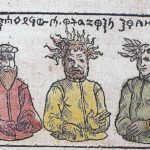 Auschauts
The stories of Autrimpas have been passed down through generations, often told by elders during long winter nights. These narratives not only served as entertainment but also as a means of educating younger members of the community about the importance of respecting nature. The teachings associated with Autrimpas emphasize the balance of life and the need to honor the cycles of nature. This cultural reverence for Autrimpas showcases the interconnectedness of the people with their environment.
Autrimpas in Folklore
In various folkloric tales, Autrimpas is depicted as a benevolent spirit who nurtures the earth. He is often described as a tall, robust figure with a crown of flowers, symbolizing the blooming of spring. These stories often illustrate his role in the changing seasons, particularly how he ushers in the warmth of spring after the harshness of winter. One popular tale describes how Autrimpas battles the frost spirits to ensure that the first flowers of spring can bloom, a story that resonates with the agricultural cycles of the Baltic region.
Another common theme in the folklore surrounding Autrimpas is his relationship with other deities. He is often seen collaborating with goddesses of the harvest, such as Žemyna, the goddess of the earth. Together, they ensure that the land is fertile and that crops can grow. This partnership reflects the community’s understanding of the interconnectedness of various natural forces and their reliance on multiple deities to maintain balance in the environment.
 Perkuns
Characteristics of Autrimpas
- Fertility: Autrimpas is primarily known as a god of fertility, ensuring the growth of crops and the health of livestock.
- Seasonal Changes: He is closely associated with the transition from winter to spring, symbolizing renewal and rebirth.
- Guardian of Nature: Autrimpas serves as a protector of the natural world, encouraging respect and harmony between humans and the environment.
These characteristics are not just random attributes; they reflect the deep-seated beliefs of the Baltic people regarding the natural world. By attributing these qualities to Autrimpas, they acknowledged the necessity of a balanced ecosystem. The stories and rituals surrounding him highlight the community’s understanding of the need for sustainable practices in agriculture and the importance of living in harmony with nature.
Rituals and Celebrations
Rituals dedicated to Autrimpas were an integral part of the agricultural calendar in ancient Baltic societies. One of the most significant celebrations was the arrival of spring, marked by various festivals. During these festivities, communities would gather to perform rituals that honored Autrimpas and sought his blessings for a bountiful harvest. These celebrations often included singing, dancing, and the offering of food to the earth, symbolizing gratitude for the fertility of the land.
One particular ritual involved the creation of a fertility doll, crafted from natural materials such as straw and flowers. This doll was then placed in the fields as a symbol of hope for a successful growing season. The community would gather around the fields to chant and sing, calling upon Autrimpas to bless their crops. This practice illustrates the deep connection between the people and their deities, as well as the significance of communal participation in these rituals.
 Patollo
Common Ritual Practices
- Offerings: Farmers would leave offerings of food and drink in the fields as a gesture of gratitude.
- Spring Festivals: Celebrations included music, dance, and storytelling to honor Autrimpas.
- Fertility Dolls: Creating and placing dolls in fields to invoke blessings for crops.
These practices were not only about seeking favor from Autrimpas but also served to strengthen community bonds. The shared experiences of celebrating and performing rituals created a sense of unity among the people, reinforcing their cultural identity. Through these gatherings, the significance of Autrimpas was continually affirmed, ensuring that his presence remained a vital part of their lives.
Modern Interpretations of Autrimpas
In contemporary times, the figure of Autrimpas has seen a revival as interest in pagan traditions and mythology has grown. Many people today are exploring their roots and seeking to reconnect with the ancient beliefs of their ancestors. This resurgence has led to a renewed appreciation for Autrimpas as a symbol of nature’s cycles and the importance of environmental stewardship. Modern interpretations often emphasize the ecological messages inherent in the stories of Autrimpas, advocating for sustainable practices that honor the earth.
Various cultural events and festivals now celebrate Autrimpas, often incorporating traditional rituals alongside modern practices. These events serve not only to honor the deity but also to raise awareness about environmental issues. Participants engage in activities such as planting trees and cleaning up natural areas, reflecting the protective role of Autrimpas over the environment. This blending of ancient traditions with contemporary concerns highlights the enduring relevance of Autrimpas in today’s world.
Modern Celebrations
- Eco-Festivals: Events focused on environmental awareness often incorporate themes related to Autrimpas.
- Workshops: Educational programs about traditional farming methods and sustainability.
- Community Gatherings: Modern-day celebrations that bring people together to honor nature and Autrimpas.
These modern interpretations not only preserve the stories of Autrimpas but also adapt them to fit contemporary values and challenges. By doing so, the legacy of Autrimpas continues to thrive, providing guidance on how to live in harmony with the earth. This ongoing relationship with the deity reflects a broader trend of looking to ancient wisdom to address modern issues, particularly in the context of environmental sustainability.
The Legacy of Autrimpas
The legacy of Autrimpas extends beyond just the stories and rituals of the past. His influence can be seen in various aspects of Baltic culture today. Many artists, musicians, and writers draw inspiration from the tales of Autrimpas, weaving them into their work to express themes of nature, renewal, and the passage of time. This artistic representation serves to keep the spirit of Autrimpas alive in the collective consciousness, reminding people of the importance of respecting and nurturing the natural world.
Moreover, the teachings associated with Autrimpas continue to resonate in discussions about environmentalism and sustainability. As communities grapple with the effects of climate change and ecological degradation, the values embodied by Autrimpas serve as a reminder of the need for balance and harmony with nature. His legacy encourages a return to practices that prioritize the earth’s health and well-being, advocating for a lifestyle that honors the cycles of life.
Influence on Culture
- Art and Literature: Modern works often reference Autrimpas and his connection to nature.
- Environmental Movements: His teachings inspire efforts aimed at preserving the environment.
- Cultural Identity: Autrimpas serves as a symbol of Baltic heritage and traditions.
Through these various influences, Autrimpas remains a vital part of Baltic culture, symbolizing the enduring connection between humanity and the natural world. His legacy encourages a thoughtful approach to living, one that acknowledges the importance of nurturing the earth and recognizing our place within it. In this way, Autrimpas transcends time, offering wisdom and guidance that is as relevant today as it was in ancient times.