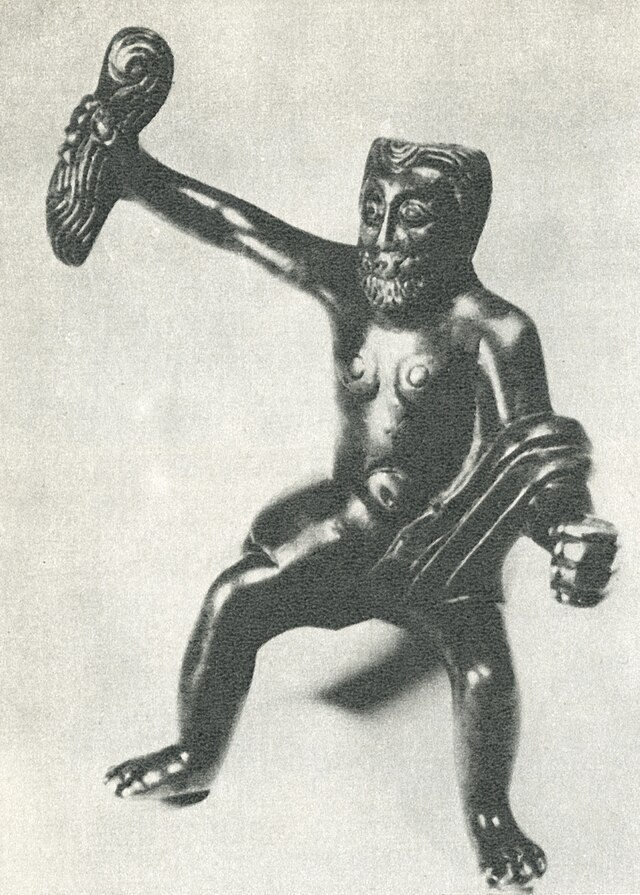
In the rich tapestry of Lithuanian mythology, one of the most prominent figures is Perkunas. He is often regarded as the god of thunder and lightning, embodying the power of nature and the force of storms. Perkunas is not only a symbol of strength but also represents justice and order in the chaotic world of ancient beliefs. His character is deeply intertwined with the natural elements, making him a vital deity for the agrarian society of Lithuania. People would often invoke his name during thunderstorms, hoping for protection and favorable weather for their crops.
The Origins of Perkunas
The origins of Perkunas can be traced back to the ancient Baltic tribes, who revered nature and its forces. The name ‘Perkunas’ is believed to be derived from the Proto-Indo-European root *perkwu, which relates to the word for oak, a tree often associated with strength and endurance. This connection to the oak tree is significant, as it symbolizes the divine power of the god. In many cultures, the oak tree is seen as sacred, and in Lithuania, it was often believed that the presence of Perkunas could be felt in the strength of the oak.
 Dimstipatis
Perkunas is frequently compared to other thunder gods in different mythologies, such as Thor in Norse mythology and Zeus in Greek mythology. These comparisons highlight the common theme of thunder gods representing authority, strength, and the enforcement of justice. In Lithuanian folklore, Perkunas is depicted as a mighty warrior who rides a chariot pulled by two fierce horses, symbolizing his dominion over the sky and his ability to command storms.
Attributes and Symbols of Perkunas
Perkunas is often associated with several key attributes and symbols that highlight his power and significance in Lithuanian culture. One of the most recognizable symbols is the thunderbolt, which represents his ability to wield lightning as a weapon. This symbol serves not only as a representation of his might but also as a reminder of the natural forces that he governs. Thunderbolts were often seen as messages from the gods, indicating their approval or disapproval of human actions.
Another important symbol associated with Perkunas is the oak tree. As mentioned earlier, the oak is a sacred tree in Lithuanian culture, and it is often said that Perkunas resides within these trees. People would sometimes conduct rituals around oak trees, believing that they could communicate with the god and seek his blessings. The oak’s strong and resilient nature mirrors Perkunas’s character, emphasizing his role as a protector and enforcer of justice.
 Dievas
Perkunas in Folklore
Perkunas features prominently in various Lithuanian folktales and legends. These stories often depict him as a heroic figure who battles against evil forces, such as the serpent Veles, who represents chaos and the underworld. In these tales, Perkunas’s triumph over Veles symbolizes the victory of order over chaos, reinforcing his role as a guardian of the natural world and a protector of humanity.
- One popular tale tells of Perkunas descending from the heavens to confront Veles, who had kidnapped the goddess of fertility. The battle between them is fierce, with thunder and lightning illuminating the sky.
- In another story, Perkunas is depicted as a wise and just ruler who punishes those who commit wrongdoings, ensuring that balance is maintained in the world.
- There are also tales of Perkunas helping farmers by providing rain and sunshine, which were essential for a good harvest.
These folktales serve not only to entertain but also to impart moral lessons to the community. They illustrate the values of courage, justice, and respect for nature that were vital to the Lithuanian way of life. By invoking the name of Perkunas, the people sought to align themselves with the forces of good and ensure their prosperity.
 Kauriraris
Worship and Rituals
The worship of Perkunas was an integral part of ancient Lithuanian spirituality. People would hold ceremonies and rituals to honor him, particularly during significant agricultural events, such as sowing and harvesting. These rituals were essential for ensuring a bountiful harvest and protecting the community from natural disasters. Offerings were made to Perkunas, which often included food, drink, and sometimes even animals.
One of the most important rituals involved lighting a sacred fire, symbolizing the connection between the earthly realm and the divine. This fire would be tended by the community, and prayers would be offered to Perkunas for his blessings. The rituals often included songs and dances that celebrated the power of nature and the importance of harmony between humans and the natural world.
Perkunas and Agriculture
Agriculture played a central role in Lithuanian society, and Perkunas was viewed as a crucial deity for ensuring successful crops. Farmers would pray to him for favorable weather conditions, particularly for rain and sunshine, which were vital for the growth of their fields. The belief was that Perkunas could influence the weather, and his favor would result in abundant harvests.
- During planting season, farmers would perform rituals to invoke Perkunas’s blessings, ensuring that their seeds would grow strong and healthy.
- When storms threatened their crops, people would offer sacrifices to appease Perkunas, hoping he would spare their fields from destruction.
- Harvest festivals often included celebrations in honor of Perkunas, showcasing gratitude for the blessings received throughout the growing season.
This deep connection between Perkunas and agriculture reflects the understanding that human survival was intricately linked to the whims of nature. The rituals and prayers dedicated to him served to foster a sense of respect and responsibility toward the environment.
Modern Interpretations of Perkunas
As Lithuania has evolved over the centuries, so too has the interpretation of Perkunas and his significance in contemporary society. While many of the ancient practices and beliefs have faded, there has been a resurgence of interest in pagan traditions and Lithuanian mythology. Today, some people embrace the old ways, seeking to reconnect with their cultural heritage.
Modern interpretations of Perkunas often focus on his role as a symbol of strength and resilience. He is celebrated in various cultural events, festivals, and artistic expressions, reminding people of their roots and the importance of nature. Artists and writers draw inspiration from the stories of Perkunas, creating new works that reflect the values he embodies.
Celebrating Perkunas Today
In contemporary Lithuania, various festivals celebrate the legacy of Perkunas and the ancient gods. These events often include traditional music, dance, and rituals that pay homage to the deities of Lithuanian mythology. Participants dress in traditional attire and engage in activities that honor the agricultural calendar, reflecting the deep connection between culture and nature.
- Festivals often feature reenactments of ancient rituals, allowing people to experience the traditions of their ancestors firsthand.
- Workshops and discussions about the significance of Perkunas and other mythological figures are common, fostering a deeper understanding of Lithuanian culture.
- Artisans create crafts inspired by ancient symbols associated with Perkunas, preserving the cultural heritage for future generations.
These modern celebrations serve to strengthen the community’s identity and foster a sense of belonging among individuals who wish to honor their past. By keeping the stories and traditions alive, the spirit of Perkunas continues to resonate in the hearts of many.
Perkunas in Literature and Art
Perkunas has left an indelible mark on Lithuanian literature and art. His character has inspired numerous works that explore themes of nature, power, and justice. Writers often depict him as a heroic figure who stands against the forces of evil, embodying the ideals of strength and honor. These stories not only entertain but also serve to educate future generations about the values that Perkunas represents.
In visual art, Perkunas is often portrayed as a majestic figure wielding a thunderbolt, surrounded by elements of nature. Artists use vibrant colors and dynamic compositions to capture the essence of storms and the power of the natural world. These representations serve to remind viewers of the importance of respecting nature and the forces that govern it.
Influence on Contemporary Art
Many contemporary artists draw inspiration from Perkunas and other figures from Lithuanian mythology, using their work to explore cultural identity and heritage. This revival of interest in ancient beliefs has led to a new wave of artistic expression that celebrates the richness of Lithuanian folklore. Artists often blend traditional motifs with modern techniques, creating unique pieces that resonate with both local and global audiences.
- Some artists incorporate elements of nature into their work, reflecting the deep connection that Perkunas has with the natural world.
- Literary works often explore the themes of struggle and triumph, echoing the ancient tales of Perkunas’s battles against chaos.
- Exhibitions showcasing the works of artists inspired by Perkunas help to promote cultural awareness and appreciation.
This artistic exploration not only keeps the spirit of Perkunas alive but also encourages dialogue about the relevance of mythology in contemporary society. Through literature and art, the legacy of Perkunas continues to inspire and connect people to their cultural roots.
The Role of Perkunas in Lithuanian Identity
Perkunas plays a significant role in shaping Lithuanian identity and cultural heritage. As a symbol of strength, justice, and the power of nature, he embodies the values that are integral to the Lithuanian spirit. The stories and rituals associated with Perkunas serve as a reminder of the importance of community, respect for the environment, and the enduring connection to one’s ancestors.
In recent years, there has been a growing movement to reclaim and celebrate Lithuanian mythology as a vital part of the nation’s identity. This resurgence reflects a desire to reconnect with cultural roots and foster a sense of pride in the rich history of Lithuania. Perkunas, as a central figure in this mythology, is often at the forefront of these efforts, symbolizing the resilience and strength of the Lithuanian people.
Promoting Cultural Heritage
Various organizations and cultural groups work to promote the teachings and traditions associated with Perkunas and other deities. They host events, workshops, and educational programs aimed at raising awareness about Lithuanian mythology and its relevance in contemporary society. These initiatives help to foster a sense of belonging and community among individuals who wish to explore their heritage.
- Community gatherings often include storytelling sessions where the tales of Perkunas and other mythological figures are shared.
- Educational programs in schools introduce students to the rich tapestry of Lithuanian folklore, encouraging appreciation for their cultural heritage.
- Collaborations between artists and cultural organizations result in projects that celebrate the legacy of Perkunas, ensuring that his story continues to be told.
Through these efforts, the legacy of Perkunas remains alive and vibrant, serving as a source of inspiration and pride for the Lithuanian people. His enduring presence in culture and society reflects the timeless connection between humanity and the natural world.