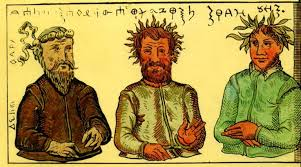
Kauriraris is a significant figure in Lithuanian mythology, representing the spirit of the forest and nature. The belief in Kauriraris is deeply rooted in the traditions of the Lithuanian people, who have long revered the natural world. This figure is often associated with various aspects of the forest, such as animals, plants, and the overall ecosystem. Kauriraris embodies the connection between the people and the land, symbolizing the importance of nature in Lithuanian culture.
The Role of Kauriraris in Lithuanian Folklore
Kauriraris plays a crucial role in Lithuanian folklore, often depicted as a guardian of the woods. Many stories and legends revolve around this figure, showcasing its protective nature over the forest and its inhabitants. The tales often describe Kauriraris as a benevolent spirit who ensures that the forest remains healthy and vibrant. In these stories, Kauriraris is often called upon by villagers when they need guidance or protection while venturing into the woods.
 Kaukas
In Lithuanian folklore, Kauriraris is sometimes portrayed as a human-like figure who possesses the ability to communicate with animals and plants. This connection allows Kauriraris to maintain balance in the ecosystem. The stories often highlight the importance of respecting nature, as disrespecting Kauriraris could lead to misfortune or the wrath of the forest. Thus, Kauriraris serves as a reminder to the people of Lithuania about the necessity of living in harmony with nature.
Legends Surrounding Kauriraris
Many legends about Kauriraris have been passed down through generations. One popular tale tells of a traveler who became lost in the forest. Desperate for help, the traveler called out to Kauriraris. In response, the spirit appeared and guided the traveler back to safety. This story emphasizes the protective nature of Kauriraris and the idea that those who respect the forest will be rewarded with guidance and safety.
- Another legend describes how Kauriraris once saved a village from a devastating drought. The villagers prayed to Kauriraris for rain, and in response, the spirit called upon the clouds to bring much-needed water.
- In some stories, Kauriraris is said to have the power to heal sick animals, showcasing the spirit’s connection to the health of the forest.
These legends not only highlight Kauriraris’ abilities but also reinforce the cultural belief in the interconnectedness of all living things. The stories serve as moral lessons, teaching the importance of respect for nature and the consequences of taking it for granted.
 Bubilas
Kauriraris and Nature Worship
The worship of Kauriraris is closely tied to the broader theme of nature worship in Lithuanian culture. Many rituals and traditions center around honoring the spirit of the forest and acknowledging its importance in everyday life. People often hold ceremonies in the woods, offering gifts such as food or flowers to Kauriraris in hopes of receiving blessings for a bountiful harvest or protection for their families.
These rituals are often performed during significant seasonal changes, such as the arrival of spring or autumn. The Lithuanian people believe that Kauriraris can influence the health of the crops and the overall well-being of the community. By participating in these rituals, they express gratitude for the resources provided by nature and reinforce their connection to the land.
Practices of Nature Worship
Various practices are associated with the worship of Kauriraris. Some of these include:
 Bangpūtys
- Offering food: Villagers may leave small offerings of bread or fruit at the base of trees, symbolizing their respect and gratitude towards Kauriraris.
- Planting trees: As a way to honor Kauriraris, many people engage in tree-planting ceremonies, believing that this act will strengthen their bond with the forest.
- Storytelling: Sharing stories about Kauriraris around a campfire is a common practice, allowing the younger generation to learn about the importance of the spirit and nature.
Through these practices, the people of Lithuania continue to celebrate their connection to nature and honor the spirit of Kauriraris, ensuring that these traditions are passed down through generations.
The Symbolism of Kauriraris
Kauriraris is rich in symbolism, representing various aspects of the natural world. One of the most significant symbols associated with Kauriraris is the forest itself. The forest is seen as a living entity, filled with wisdom and life. Kauriraris embodies the essence of the forest, reminding people of its importance and the need to protect it. This connection to the forest highlights the belief that all living things are interconnected and that the health of the forest is vital for the survival of the community.
Additionally, Kauriraris symbolizes the balance between humanity and nature. In Lithuanian mythology, the spirit teaches that humans must respect the land and its resources. If this balance is disrupted, consequences may arise, such as poor harvests or natural disasters. Kauriraris serves as a reminder that the well-being of the people is tied to the health of the environment.
Key Symbols Associated with Kauriraris
Several symbols are commonly associated with Kauriraris, each representing different aspects of nature and spirituality. Some of these symbols include:
- Trees: Representing strength and endurance, trees are often seen as the physical manifestation of Kauriraris.
- Animals: Various animals, particularly those native to the Lithuanian forests, symbolize the spirit’s connection to wildlife.
- Water: Rivers and streams are considered sacred, as they are vital for sustaining life and represent the flow of energy in nature.
These symbols serve to reinforce the cultural significance of Kauriraris and the broader belief in the power of nature within Lithuanian mythology.
The Influence of Kauriraris on Lithuanian Culture
The influence of Kauriraris extends beyond mythology into various aspects of Lithuanian culture. This figure has inspired art, literature, and music, serving as a muse for many artists and creators. Traditional songs often celebrate the beauty of the forest and the spirit of Kauriraris, reflecting the deep respect Lithuanians have for nature.
In addition to the arts, Kauriraris has also impacted the way people interact with their environment. The belief in this spirit encourages sustainable practices and a sense of stewardship towards the land. Many Lithuanians engage in activities that promote conservation and environmental protection, understanding that their well-being is linked to the health of the forest.
Art and Literature Inspired by Kauriraris
Numerous works of art and literature have drawn inspiration from Kauriraris. Some notable examples include:
- Paintings: Many artists depict the enchanting landscapes of Lithuanian forests, often incorporating Kauriraris as a central figure, showcasing the spirit’s connection to nature.
- Folklore collections: Various compilations of Lithuanian folklore include stories and legends about Kauriraris, preserving the cultural heritage for future generations.
- Music: Traditional Lithuanian music often features themes related to nature and Kauriraris, celebrating the beauty of the forest and the spirit’s protective role.
Through these artistic expressions, Kauriraris remains a vital part of Lithuanian culture, inspiring creativity and a deeper appreciation for the natural world.
Modern Interpretations of Kauriraris
In contemporary Lithuania, the figure of Kauriraris continues to hold significance, albeit in different forms. As society evolves, so do interpretations of traditional beliefs. Modern Lithuanians may view Kauriraris as a symbol of environmentalism and sustainability, reflecting a growing awareness of ecological issues. This shift has led to a renewed interest in the teachings of Kauriraris and the importance of preserving the natural world.
Many environmental groups in Lithuania now use Kauriraris as a symbol in their campaigns, emphasizing the need to protect forests and wildlife. By invoking the spirit’s name, they aim to inspire a sense of responsibility among the public towards the environment. This modern interpretation reinforces the idea that Kauriraris is not just a figure of the past but a relevant symbol for current and future generations.
Community Engagement and Environmentalism
Various community initiatives have emerged in Lithuania that focus on environmental conservation while incorporating the teachings of Kauriraris. Some of these initiatives include:
- Forest clean-up events: Local communities organize clean-up days in forests, promoting stewardship and respect for nature.
- Educational programs: Schools and organizations offer workshops that teach children about the importance of nature and the role of Kauriraris in Lithuanian mythology.
- Tree-planting campaigns: Many communities participate in tree-planting initiatives, reinforcing the connection between Kauriraris and the health of the forest.
Through these efforts, the spirit of Kauriraris continues to inspire a love for nature and a commitment to preserving the environment, ensuring that the legacy of this figure remains alive in the hearts of the Lithuanian people.
Kauriraris stands as a testament to the rich tapestry of Lithuanian mythology and the deep respect for nature that characterizes Lithuanian culture. Through legends, rituals, and modern interpretations, Kauriraris remains a vital figure, reminding people of the importance of living in harmony with the natural world. The spirit’s influence can be seen in various aspects of daily life, from art and literature to environmental initiatives, ensuring that the teachings of Kauriraris endure for generations to come.