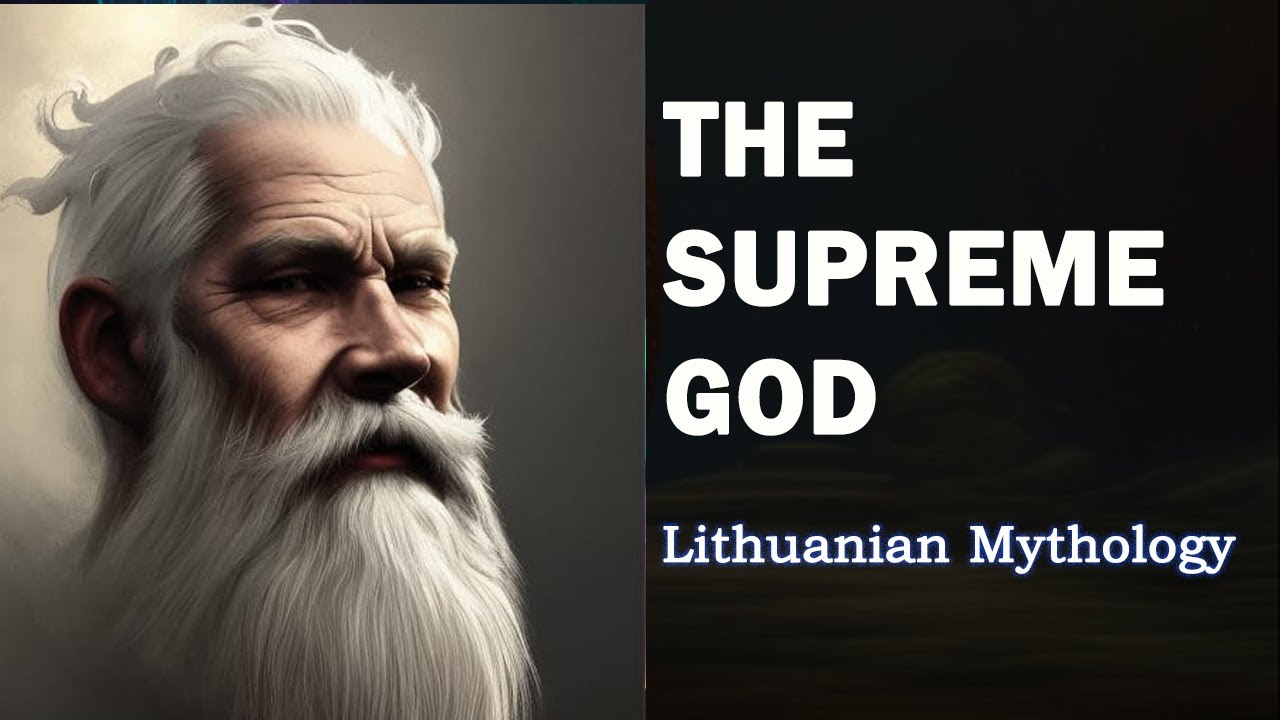
In the rich tapestry of Lithuanian mythology, the concept of deities, or dievas, plays a crucial role. These deities represent various aspects of life, nature, and human experience. They were revered by the ancient Lithuanians, who believed that these divine beings influenced their daily lives and the natural world around them. The dievas were not just distant gods; they were seen as integral parts of the community, providing guidance, protection, and blessings. Each dievas had unique attributes and responsibilities, making the understanding of these deities essential for anyone interested in Lithuanian culture and mythology.
Understanding Dievas
The term dievas in Lithuanian translates to “god” in English. However, it encompasses more than just a single entity. Dievas can refer to a range of divine beings, each with their own characteristics and domains. The most prominent among them is Dievas, often regarded as the supreme god in the Lithuanian pantheon. He is associated with the sky, light, and creation. Lithuanians believed that Dievas governed the universe and maintained the order of nature. His presence was vital for ensuring good harvests and protecting the people from misfortune.
 Kauriraris
Another important aspect of dievas is their relationship with nature. Many deities were closely linked to specific natural elements, such as rivers, forests, and animals. This connection reflects the deep respect that ancient Lithuanians had for the environment. They understood that their survival depended on the health of the land and its resources. As a result, rituals and offerings were often made to the dievas to seek their favor and ensure harmony between humans and nature.
The Major Deities of Lithuanian Mythology
Lithuanian mythology features a variety of deities, each with distinct roles and attributes. Some of the most notable dievas include:
 Kaukas
- Dievas – The supreme god, associated with the sky and creation.
- Perkūnas – The god of thunder and lightning, often depicted as a powerful warrior.
- Laima – The goddess of fate, responsible for determining the destiny of individuals.
- Žemyna – The goddess of the earth and fertility, representing the agricultural aspect of life.
- Aušrinė – The goddess of the dawn, symbolizing new beginnings and hope.
Each of these deities played a significant role in the lives of the people. For example, Perkūnas was often invoked during storms and agricultural rituals, as he was believed to control the weather. His fierce nature represented strength and protection, making him a popular figure among warriors and farmers alike. The ancient Lithuanians would offer sacrifices to Perkūnas to ensure favorable weather conditions for their crops.
On the other hand, Laima held a unique position as the goddess of fate. She was often depicted as a wise figure who could influence the life paths of individuals. People sought her blessings in matters of love, marriage, and childbirth. Laima’s presence was seen as a guiding force, helping individuals navigate the uncertainties of life.
Rituals and Offerings to Dievas
Rituals played a vital role in honoring the dievas and seeking their favor. The ancient Lithuanians engaged in various practices, including offerings, sacrifices, and communal celebrations. These rituals were deeply rooted in the agricultural calendar, aligning with key seasons and events. For instance, during the spring equinox, people would hold festivities to celebrate the arrival of warmer weather and the planting season.
 Bubilas
Offerings to the dievas varied depending on the deity being honored. Common offerings included grains, fruits, and livestock. These sacrifices were made with the belief that the dievas would bless the land and its people in return. It was essential for the offerings to be made with sincerity and respect, as the ancient Lithuanians believed that the dievas were always watching over them.
Types of Rituals
- Seasonal Festivals – Celebrations marking the changing seasons, such as Jāņi (Midsummer) and Užgavėnės (pre-Lenten festival).
- Harvest Ceremonies – Rituals performed to thank the dievas for a bountiful harvest.
- Rites of Passage – Ceremonies for significant life events, such as births, marriages, and deaths.
Seasonal festivals were particularly significant in Lithuanian culture. During Jāņi, for instance, people would gather to celebrate the summer solstice, lighting bonfires and singing traditional songs. This festival was dedicated to various dievas, including Laima, who was believed to bless the crops and ensure fertility. The communal nature of these celebrations fostered a sense of unity and shared identity among the people.
The Role of Dievas in Everyday Life
Dievas were not only worshipped during rituals; they also played an essential role in the daily lives of the ancient Lithuanians. People would often invoke the names of the dievas in their conversations, seeking their guidance in various matters. For example, before embarking on a journey, individuals would pray to Dievas for safe travels and protection from harm.
Additionally, the dievas were believed to influence personal relationships and family dynamics. Couples would seek the blessings of Laima when planning to marry, as she was seen as the goddess of love and fate. Her approval was considered essential for a successful union. In this way, the dievas were woven into the fabric of everyday life, guiding individuals through their personal and communal challenges.
Dievas in Folklore and Legends
The stories of dievas are also preserved in Lithuanian folklore and legends. These tales often highlight the characteristics and adventures of the deities, serving both as entertainment and moral lessons for the community. One popular legend involves Perkūnas battling the forces of evil, symbolizing the eternal struggle between good and evil. These narratives not only entertained but also reinforced cultural values and beliefs.
Many legends also explain natural phenomena through the actions of dievas. For instance, thunder and lightning were attributed to the wrath of Perkūnas. When storms occurred, people would recount tales of his battles against malevolent spirits, using these stories to make sense of the unpredictable forces of nature. This connection between myth and nature demonstrates the importance of dievas in helping people understand their world.
The Legacy of Dievas in Modern Lithuania
Even today, the influence of dievas can be seen in various aspects of Lithuanian culture. Many traditions, customs, and celebrations have roots in ancient practices that honored these deities. For example, the celebration of Jāņi continues to be a vibrant festival, attracting people from all walks of life. This event serves as a reminder of the deep connection Lithuanians have with their past and the dievas who shaped their history.
Furthermore, the resurgence of interest in pagan traditions and mythology has led to a renewed appreciation for dievas. Many contemporary Lithuanians are exploring their heritage, seeking to understand the significance of these deities in shaping their cultural identity. This revival not only preserves ancient knowledge but also fosters a sense of pride in Lithuanian history and traditions.
Conclusion: The Importance of Dievas in Lithuanian Identity
dievas are a fundamental part of Lithuanian mythology, representing the connection between the people and the natural world. The reverence for these deities highlights the importance of community, nature, and spirituality in Lithuanian culture. As modern Lithuanians continue to explore their rich heritage, the legacy of dievas remains a vital aspect of their identity, reminding them of the profound relationship between humanity and the divine.