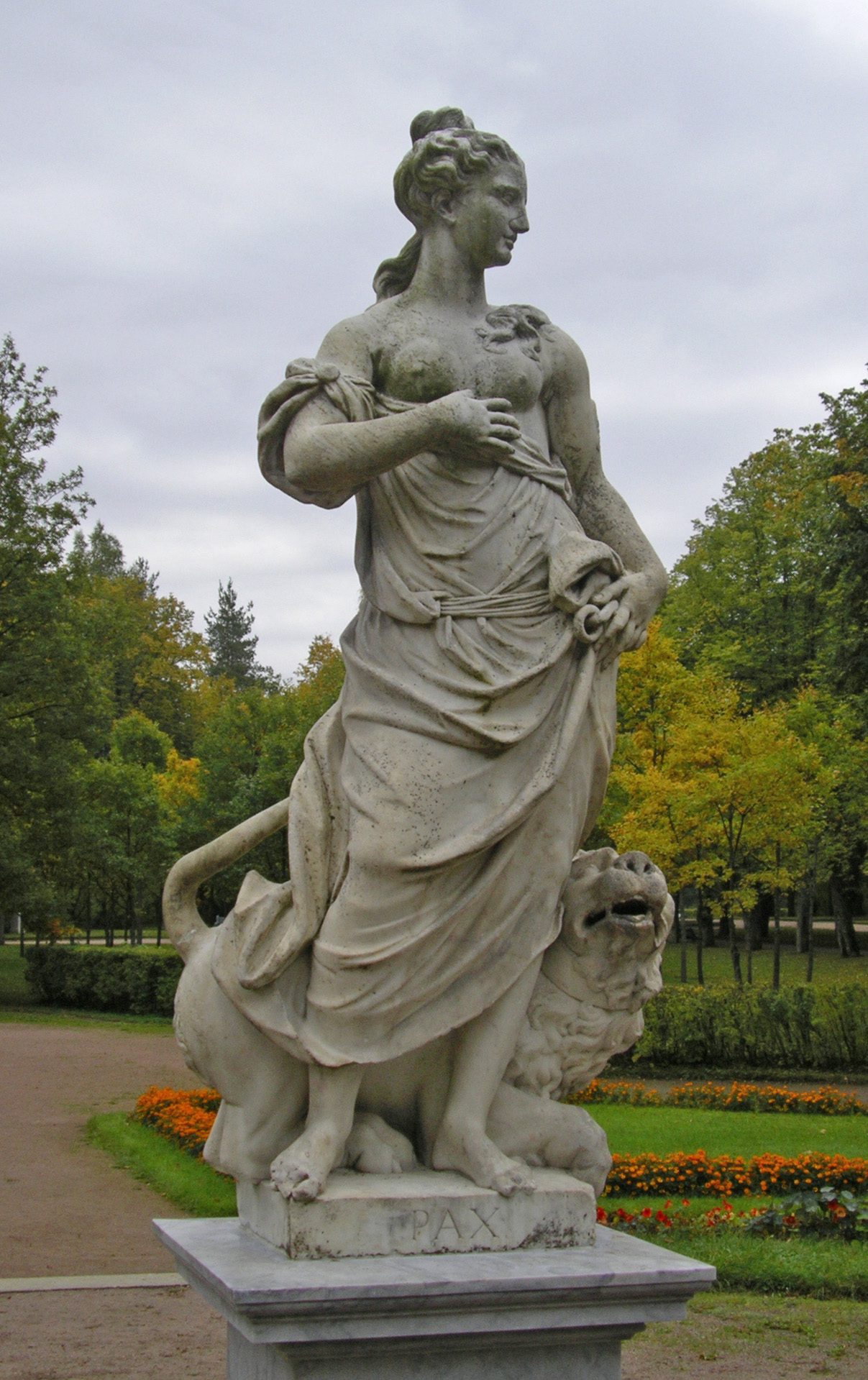
Pax, in Roman mythology, is the goddess of peace. She represents tranquility, harmony, and the absence of conflict. The concept of peace was crucial in Roman society, especially during times of war. Pax was often invoked in various religious rituals and ceremonies, reflecting the importance of peace in both personal lives and the broader context of the Roman Empire. Her presence symbolizes the desire for stability and order, which were essential for the prosperity of the Roman state. The worship of Pax highlights how the Romans valued peace, not just as an ideal but as a necessary condition for their civilization to flourish.
The Origins of Pax
The origins of Pax can be traced back to the early days of the Roman Republic. Initially, she was not a widely recognized deity. However, as Rome expanded and encountered various cultures, the need for a personification of peace became apparent. The Romans began to adopt and adapt gods and goddesses from other cultures, leading to the formal recognition of Pax as a deity around the 1st century BCE. Her rise to prominence coincided with significant political changes in Rome, including the establishment of the Pax Romana, a period of relative peace and stability throughout the empire.
 Phoebus
The term “Pax” itself means “peace” in Latin, and it was used in various contexts within Roman society. The notion of peace was not merely the absence of war but encompassed social harmony, justice, and the well-being of the state. This broader understanding of peace made Pax an essential figure in Roman religion and culture. The goddess was often depicted in art and literature, reinforcing her significance in the collective consciousness of the Roman people.
Pax Romana: The Peace of Rome
Pax Romana, which translates to “Roman Peace,” refers to a long period of relative peace and stability experienced by the Roman Empire from 27 BCE to 180 CE. This era began with the reign of Emperor Augustus and marked a time when the empire expanded its territories while maintaining internal stability. During this period, Pax became a symbol of the empire’s success and the benefits of a peaceful society. The concept of Pax Romana is often associated with the prosperity and security that allowed arts, culture, and trade to flourish.
The establishment of Pax Romana was not merely an accidental occurrence; it was a deliberate policy of Augustus and his successors. They sought to create an environment where trade could thrive, cities could grow, and the population could enjoy a higher quality of life. The stability provided by Pax Romana allowed for the construction of roads, aqueducts, and public buildings, which further enhanced the interconnectedness of the empire. This period is often viewed as a golden age in Roman history, where the ideals of Pax were realized on a grand scale.
 Picus
PicusKey Features of Pax Romana
- Military Stability: The Roman legions maintained order and defended the empire’s borders, allowing citizens to live without the fear of invasion.
- Economic Prosperity: Trade flourished, and the economy thrived due to safe travel routes and stable governance.
- Cultural Exchange: The peace allowed for the exchange of ideas, art, and culture among the diverse peoples within the empire.
- Infrastructure Development: Significant investments were made in infrastructure, including roads and public buildings, enhancing communication and commerce.
Pax in Roman Religion
Pax held an important place in Roman religion and was often worshiped alongside other deities. Temples dedicated to Pax were constructed, and various rituals were performed to honor her. These rituals often took place during times of conflict or after wars, symbolizing a return to peace and the restoration of order. The Romans believed that by honoring Pax, they could ensure her favor and maintain harmony in their society.
One of the most significant festivals dedicated to Pax was the Pax Festival, which celebrated peace and prosperity. During this festival, offerings were made to the goddess, and citizens participated in various activities that promoted unity and goodwill. The emphasis on communal celebrations reflected the belief that peace was not only a divine gift but also a responsibility shared by all members of society.
Rituals and Offerings
- Prayers: Romans would offer prayers to Pax, asking for her protection and blessings for peace.
- Offerings: Common offerings included flowers, incense, and fruits, symbolizing gratitude and respect.
- Public Gatherings: Citizens would come together to celebrate and reinforce community bonds, promoting social harmony.
- Artistic Representations: Pax was often depicted in sculptures and paintings, serving as a reminder of the importance of peace.
Pax and Roman Emperors
Roman emperors often invoked Pax to legitimize their rule and promote their policies. By associating themselves with the goddess of peace, they aimed to present themselves as bringers of stability and prosperity. This connection was particularly evident during the reign of Augustus, who used the ideals of Pax Romana to solidify his power and unify the empire under his leadership. Augustus portrayed himself as the restorer of peace after years of civil war, which resonated deeply with the Roman populace.
 Pietas
Later emperors continued this practice, commissioning statues and monuments that celebrated Pax and her contributions to the empire. These representations served not only as religious symbols but also as political propaganda, reinforcing the idea that the emperor was a guardian of peace. The association with Pax elevated the status of emperors, making them appear more benevolent and effective in the eyes of their subjects.
Examples of Emperors and Their Connection to Pax
- Augustus: He was the first emperor to promote the concept of Pax Romana and used it to consolidate his power.
- Tiberius: Continued the policies of peace and stability established by Augustus, reinforcing the importance of Pax.
- Hadrian: Known for his efforts to maintain peace through diplomacy rather than military conquest, exemplifying the ideals of Pax.
- Marcus Aurelius: His reign is often associated with philosophical reflections on peace and the responsibilities of leadership.
Pax in Art and Literature
Pax has been a prominent figure in Roman art and literature, symbolizing the ideals of peace and harmony. Artists often depicted her as a beautiful woman, sometimes holding a branch or a staff, representing prosperity and abundance. These artistic representations served to remind the populace of the importance of peace in their daily lives and the need to strive for harmony within society.
In literature, Pax is often referenced in the works of Roman poets and writers. She symbolizes not only the absence of war but also the ideal state of society where justice prevails. Authors like Virgil and Ovid used the concept of Pax to highlight the virtues of peace and the consequences of conflict. Their writings reflect the cultural significance of Pax and its role in shaping Roman values.
Artistic Representations of Pax
- Sculptures: Statues of Pax were created to honor her, often found in public spaces to inspire citizens.
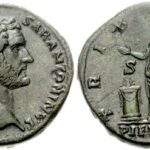
- Coins: Roman coins featured images of Pax, reinforcing her importance in the economic and cultural life of the empire.
- Paintings: Artists depicted scenes of peace and prosperity, with Pax as a central figure, emphasizing her role in society.
- Literary Works: Pax appears in various texts, symbolizing the virtues of peace and the ideal Roman society.
The Legacy of Pax
The legacy of Pax extends beyond the borders of ancient Rome, influencing various cultures and societies throughout history. The ideals she represented—peace, harmony, and stability—remain relevant in contemporary discussions about conflict resolution and social cohesion. The concept of Pax has been embraced by various movements advocating for peace and justice, highlighting its enduring significance.
In modern times, the image of Pax is often invoked in political discourse, especially during times of war or unrest. Leaders and activists alike refer to her as a symbol of hope and a reminder of the importance of striving for a peaceful coexistence. The influence of Pax can be seen in various peace treaties and diplomatic efforts aimed at resolving conflicts and promoting understanding among different cultures.
Modern Interpretations of Pax
- Peace Movements: Many contemporary peace movements draw inspiration from the ideals of Pax, advocating for non-violence and cooperation.
- Artistic Representations: Modern artists continue to depict themes of peace, using the legacy of Pax as a source of inspiration.
- Political Discourse: The concept of Pax is often referenced in discussions about international relations and conflict resolution.
- Education: Programs promoting peace education often highlight historical figures like Pax to inspire future generations.
Pax in Comparative Mythology
In comparative mythology, Pax can be likened to other deities of peace from different cultures. Many ancient civilizations recognized the importance of peace and had their own representations of this concept. For instance, in Greek mythology, the goddess Eirene embodied peace and was often depicted with a cornucopia, symbolizing abundance. Similarly, in Hinduism, the goddess Shanti represents peace and tranquility, playing a significant role in rituals and prayers.
These comparative studies highlight how various cultures have approached the idea of peace and the divine. While the names and attributes may differ, the underlying message remains consistent: peace is essential for the prosperity and well-being of society. The reverence for Pax in Roman mythology underscores the universal desire for harmony and stability, transcending cultural and temporal boundaries.
Similar Deities Across Cultures
- Eirene (Greek): Goddess of peace, often depicted with symbols of prosperity.
- Shanti (Hindu): Represents peace and tranquility, invoked in prayers and rituals.
- Freya (Norse): Although primarily a goddess of love, she also symbolizes peace and harmony among the gods.
- Peitho (Greek): Goddess of persuasion, often associated with peaceful resolutions and harmony.
Pax in Contemporary Society
The ideals of Pax continue to resonate in contemporary society, where the pursuit of peace remains a critical global objective. Organizations like the United Nations embody the spirit of Pax, working tirelessly to promote peace and security worldwide. The principles of diplomacy, negotiation, and conflict resolution reflect the values that Pax symbolizes, emphasizing the importance of dialogue over violence.
In addition, the concept of Pax has found its way into various social movements advocating for human rights, environmental justice, and equality. Activists often draw upon the legacy of Pax to inspire their efforts, emphasizing the interconnectedness of peace with other social issues. This holistic approach reflects a growing understanding that peace is not merely the absence of conflict but encompasses a broader vision of justice and equity.
Modern Initiatives Promoting Pax
- Peacekeeping Missions: The UN and other organizations conduct missions to maintain peace in conflict zones.
- Community Dialogues: Initiatives that promote understanding and cooperation among diverse groups.
- Education Programs: Schools and organizations teach the values of peace and conflict resolution to future generations.
- Advocacy Campaigns: Movements that focus on social justice and equality as essential components of lasting peace.