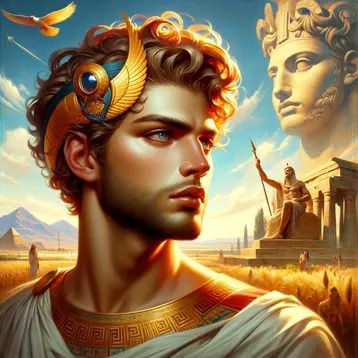
In Greek mythology, Epaphus is a fascinating figure whose story intertwines with themes of divinity, identity, and the complexities of familial relationships. He is known primarily as the son of Zeus and Io, a mortal woman who endured a series of trials and transformations due to the wrath of the goddess Hera. Epaphus’s narrative highlights the rich tapestry of Greek myths, where gods and mortals interact in profound and often tragic ways. Understanding Epaphus involves delving into his lineage, his role in various myths, and the cultural significance of his character.
The Birth of Epaphus
Epaphus’s birth is steeped in mythological drama. According to legend, his mother, Io, was a priestess of Hera who caught the attention of Zeus. In an attempt to hide his affair from Hera, Zeus transformed Io into a heifer. This transformation was meant to protect her from Hera’s jealousy, but it only led to further complications. Hera, suspecting foul play, sent a gadfly to torment Io, causing her to wander the earth in despair. During this tumultuous period, Io eventually gave birth to Epaphus in Egypt, a land often associated with divine presence and mysticism.
 Ephialtes
Epaphus’s birth was significant not just because he was the son of Zeus but also because he symbolized the union of the divine and mortal realms. His existence brought forth questions about identity and belonging, especially for Io, who was still grappling with her transformation and suffering. The name “Epaphus” itself is thought to mean “he who is touched,” signifying his divine lineage and the impact of the gods on human lives. As he grew, Epaphus would have to navigate the complexities of his heritage and the expectations that came with being the son of a god.
Epaphus and His Identity
As Epaphus grew older, he faced challenges related to his identity. Being the son of a god and a mortal woman, he was often caught between two worlds. He was revered in some circles for his divine heritage, yet he also experienced the struggles of mortality through his mother’s trials. This duality is a common theme in Greek mythology, where heroes often grapple with their origins and the expectations placed upon them. Epaphus’s struggle for identity can be seen as a reflection of the broader human experience of seeking acceptance and understanding.
 Epimeliads
One of the most notable stories involving Epaphus is his encounter with Hercules. The two figures had a rivalry that stemmed from their respective connections to the divine. While Hercules was celebrated for his incredible feats and strength, Epaphus often felt overshadowed. This feeling of inadequacy led to a confrontation between the two, where Epaphus boasted about his divine lineage, claiming superiority over Hercules. This rivalry is not just a personal conflict; it reflects the larger theme of competition among demigods and heroes in Greek mythology.
Epaphus’s Relationship with Other Deities
Epaphus’s interactions with other deities further illustrate his complex identity. As the son of Zeus, he had access to the divine realm, which allowed him to engage with various gods and goddesses. One notable relationship was with Horus, the Egyptian god often associated with kingship and the sky. Their connection symbolizes the blending of Greek and Egyptian mythologies, especially since Epaphus was linked to Egypt through his birth. This relationship highlights the importance of cultural exchanges in ancient times, where different mythologies influenced one another.
- Zeus: As his father, Zeus’s actions shaped Epaphus’s destiny.
- Hera: The jealousy of Hera towards Io affected Epaphus’s early life.
- Hercules: Their rivalry emphasized themes of competition and identity.
- Horus: The connection with Horus reflects cultural exchanges.
Moreover, Epaphus’s relationship with Hera is particularly significant. Despite being the child of Zeus, he was still indirectly affected by Hera’s wrath towards Io. This tension illustrates the complexities of divine relationships, where even the offspring of a god could face challenges due to the actions and emotions of other deities. Hera’s jealousy led to Epaphus growing up in a world where he had to prove himself, not just to others but also to the gods who had shaped his existence.
 Epimetheus
Epaphus in Literature and Art
Epaphus has appeared in various literary works and artistic representations throughout history. In ancient texts, he is often depicted as a figure of both reverence and conflict. His story has been recounted by poets and playwrights, emphasizing the themes of divine parentage and the struggles that come with it. For example, the Homeric Hymns touch upon his lineage, highlighting the significance of being a child of Zeus and the expectations that accompany such a title.
In visual arts, Epaphus is less frequently represented than other mythological figures, yet he occasionally appears in scenes that depict his connection to Io or his interactions with other heroes. Artists often focus on the emotional depth of his character, portraying him in moments of contemplation or conflict. These artistic interpretations serve to highlight the ongoing relevance of his story, as they resonate with themes of identity and belonging that are still pertinent today.
The Impact of Epaphus on Greek Mythology
The story of Epaphus has had a lasting impact on Greek mythology, serving as a reminder of the complexities of divine and mortal relationships. His existence raises questions about the nature of divinity and the responsibilities that come with it. As the son of Zeus, he is a symbol of the potential for greatness, yet his struggles also reflect the vulnerabilities that accompany such a status. This duality makes Epaphus a relatable figure, as many can identify with the challenges of living up to expectations.
- Divine lineage: Represents the challenges of being a demigod.
- Rivalry: Highlights competition among heroes in mythology.
- Cultural exchange: His connections with Egyptian mythology show the blending of cultures.
- Artistic representation: Continues to inspire artists and writers.
Furthermore, Epaphus’s story contributes to the broader narrative of Greek mythology, where themes of identity, rivalry, and divine intervention are prevalent. His interactions with other figures, such as Hercules and Horus, exemplify the interconnectedness of myths and the ways in which they reflect the complexities of human experiences. By examining Epaphus’s role in mythology, we gain insights into the values and beliefs of ancient Greek culture, as well as the timeless nature of these stories.
Legacy of Epaphus
The legacy of Epaphus continues to resonate in contemporary discussions about mythology and identity. Scholars and enthusiasts alike explore his character as a lens through which to examine the complexities of heritage and the expectations placed upon individuals based on their lineage. Epaphus’s struggles mirror modern experiences of those who feel caught between different worlds, whether due to cultural backgrounds, family expectations, or personal aspirations.
In literature and popular culture, the themes surrounding Epaphus’s identity have been revisited and reinterpreted. His story serves as a powerful metaphor for the quest for self-understanding and acceptance. Many modern narratives draw parallels between Epaphus and contemporary figures who navigate the challenges of belonging, showcasing the timeless relevance of his tale. By analyzing Epaphus’s legacy, we can better understand the ongoing significance of Greek mythology in shaping our perceptions of identity and the human experience.
Influence on Modern Culture
Epaphus’s influence extends beyond academic discussions and into popular culture. Elements of his story have been incorporated into various forms of media, including literature, film, and art. Writers and filmmakers often draw inspiration from his character, using his struggles to illustrate broader themes of identity, belonging, and the search for meaning. This modern reinterpretation of Epaphus’s narrative highlights the enduring nature of Greek mythology and its ability to adapt to contemporary contexts.
- Literature: Authors explore themes of identity through Epaphus’s struggles.
- Film: Modern adaptations incorporate mythological elements into storytelling.
- Art: Artists continue to reinterpret his story in various mediums.
- Education: Epaphus is studied in the context of mythology and cultural identity.
Moreover, discussions about Epaphus in educational settings emphasize the importance of understanding mythology as a reflection of human experiences. By studying figures like Epaphus, students can engage with complex themes and learn about the cultural significance of myths in shaping societal values and beliefs. This educational approach ensures that the legacy of Epaphus and other mythological figures continues to be relevant and impactful for future generations.
Epaphus stands as a compelling figure in Greek mythology, embodying the struggles of identity and the complexities of divine and mortal relationships. His story, marked by themes of rivalry, cultural exchange, and personal growth, offers valuable insights into the human experience. As we explore the legacy of Epaphus, we recognize the ongoing relevance of his narrative in contemporary discussions about identity, belonging, and the interplay between the divine and the mortal. Through literature, art, and education, the story of Epaphus continues to inspire and resonate, reminding us of the timeless nature of myth and its power to shape our understanding of ourselves and the world around us.