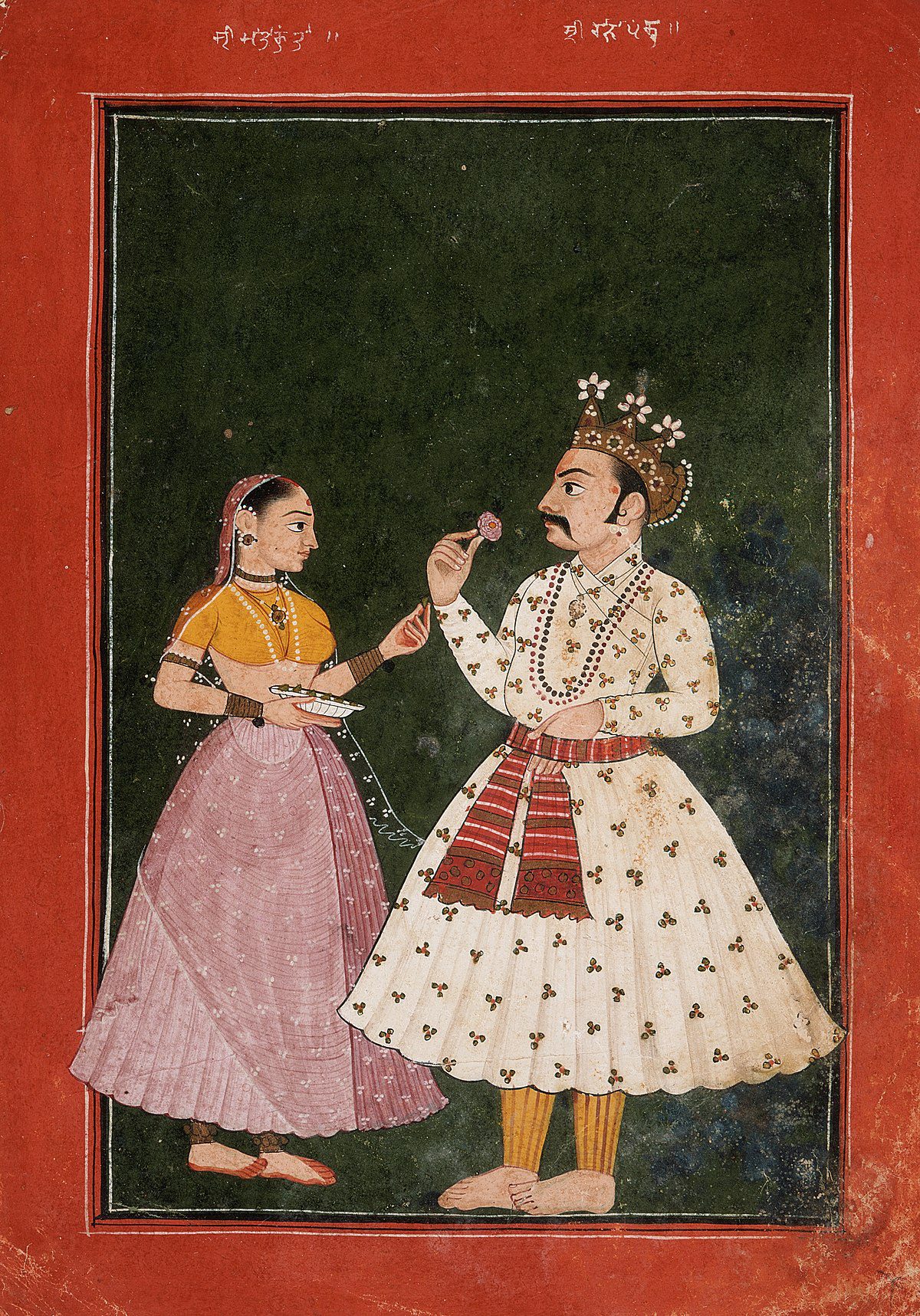
Pandu is a significant figure in Hindu mythology, known primarily from the epic tale of the Mahabharata. He was the king of Hastinapura and the father of the Pandavas, a group of five brothers who are central characters in this ancient epic. The story of Pandu is filled with themes of duty, sacrifice, and the complexities of dharma, or righteous living. His life is a blend of tragic events and profound lessons, making him a pivotal character in the narrative of the Mahabharata.
Pandu’s Birth and Early Life
Pandu was born to King Vichitravirya and Queen Ambalika of Hastinapura. According to the legends, his birth was a result of a curse that had befallen his family. His father, Vichitravirya, died young, leaving behind a kingdom that needed strong leadership. As a result, Pandu’s mother, Ambika, invoked the sage Vyasa to ensure the continuation of the Kuru dynasty. Thus, Pandu was born as the second son of Vichitravirya, but he was not the only child. His elder brother, Dhritarashtra, was born blind, which led to Pandu being the rightful heir to the throne.
 Pandavas
From a young age, Pandu was known for his strength and valor. He was trained in the art of warfare and governance, preparing him for his future role as king. However, his childhood was not without challenges. The blind condition of his elder brother created a sense of competition and tension within the royal family. Pandu was aware of his responsibilities and the expectations placed upon him, which shaped his character and destiny as he grew older.
Pandu’s Reign as King
When Pandu ascended the throne, he faced numerous challenges. His kingdom was under threat from various enemies, and he had to prove his worth as a ruler. His leadership was characterized by a commitment to justice and fairness, earning him the respect of his subjects. However, despite his capabilities, Pandu’s reign was marked by personal tragedy, primarily due to a curse he received from the sage Kindama.
The curse stated that Pandu would die if he ever engaged in sexual relations. This curse had a profound impact on his life, especially as he married the beautiful princesses Kunti and Madri. Both wives loved him dearly, but the curse created a rift in their marital life. Pandu’s inability to father children led to a deep sense of despair, as he longed for heirs to secure the throne and continue his lineage.
 Nirrti
The Birth of the Pandavas
In order to fulfill his desire for children, Pandu sought the guidance of Kunti, who possessed a boon from the sage Durvasa. This boon allowed her to invoke any god and bear a child with their divine blessings. Understanding the importance of having heirs, Pandu urged Kunti to use her boon. With her invocation, Kunti called upon Yama, the god of death, and thus, the first of the Pandavas, Yudhishthira, was born.
Following Yudhishthira, Kunti invoked other deities. She called upon Vayu, the wind god, to bear Bhima, known for his immense strength. Later, she invoked Indra, the king of gods, who blessed her with Arjuna, the greatest archer. Meanwhile, Pandu also encouraged his second wife, Madri, to use her own boon. Madri invoked the Ashwini twins, resulting in the birth of Nakula and Sahadeva. Together, these five brothers became known as the Pandavas, destined for greatness.
The Tragic End of Pandu
Despite the joy of having sons, Pandu’s life was shrouded in sorrow. His curse haunted him, and he was unable to engage in the fatherly role he desired. The emotional strain of his condition weighed heavily on him, and he often reflected on the implications of his fate. Pandu’s love for his children was evident, but he felt the burden of his curse deeply, which ultimately led to tragic consequences.
 Nirrta
One day, while out in the forest, Pandu and his family were enjoying a moment of peace. However, driven by a moment of passion, he embraced Madri, forgetting the curse that loomed over him. The tragic outcome was swift; Pandu fell dead in that very moment. This unexpected death left a profound impact on his family, particularly on his beloved wives and children. Madri, overwhelmed by grief, chose to end her life by following Pandu into the afterlife, leaving Kunti to raise the Pandavas alone.
The Legacy of Pandu
Pandu’s life and death had lasting repercussions on the Mahabharata narrative. His sons, the Pandavas, were left to navigate the complexities of their existence without the guidance of their father. They were raised by Kunti, who instilled in them the values of duty, honor, and righteousness. The lessons learned from Pandu’s life became integral to their development and the choices they made in their own lives.
The story of Pandu also highlights the themes of dharma and karma within Hindu philosophy. Pandu’s curse and the subsequent events serve as a reminder of how one’s actions can lead to unforeseen consequences. His legacy lives on through the Pandavas, who ultimately faced their own trials and tribulations in the great Kurukshetra war. The ethical dilemmas faced by the Pandavas can be traced back to the lessons imparted by their father, making him a crucial figure in their journey.
The Role of Pandu in the Mahabharata
Pandu’s influence extends beyond his immediate family. His actions and decisions set the stage for the epic conflict between the Pandavas and the Kauravas, his own nephews. The rivalry that ensued is one of the central themes of the Mahabharata, and it can be traced back to the decisions made during Pandu’s reign. His inability to produce heirs in a traditional manner led to a series of events that culminated in one of the greatest battles in history.
Moreover, Pandu’s character is often analyzed in terms of his adherence to dharma. He was a king who faced moral dilemmas and challenges, and his choices reflected the complexities of duty and righteousness. His story raises questions about the nature of fate and free will, and how individuals navigate their destinies within the framework of societal expectations. These themes resonate throughout the Mahabharata, making Pandu an essential character for understanding the epic’s deeper meanings.
Pandu’s Relationships
Pandu’s relationships with his wives, Kunti and Madri, are pivotal in understanding his character. Both women loved him deeply, and their bond with him was characterized by devotion and sacrifice. Kunti, in particular, displayed remarkable strength in the face of adversity, taking on the responsibility of raising the Pandavas after Pandu’s untimely death. Her unwavering support and love for her children reflected the deep emotional connection she had with Pandu.
Madri’s relationship with Pandu was equally significant. She represented the ideals of loyalty and love, and her tragic decision to join Pandu in death showcased the depth of her devotion. The dynamics between the three characters illustrate the complexities of love and duty in the context of ancient Indian society. The interactions and emotional struggles within this family create a rich tapestry of relationships that enhance the narrative of the Mahabharata.
The Spiritual Significance of Pandu
Pandu’s life and choices carry profound spiritual significance within Hindu philosophy. His journey reflects the struggles of the human experience, including the search for meaning, the impact of past actions, and the quest for righteousness. The themes surrounding his character resonate with followers of Hinduism, who often grapple with similar dilemmas in their own lives.
Additionally, Pandu’s story is a reminder of the impermanence of life. His death serves as a lesson on the unpredictability of fate and the importance of making choices that align with one’s principles. The notion of dharma is central to his narrative, emphasizing the idea that individuals must strive to fulfill their duties while navigating the complexities of life. Through Pandu’s experiences, one can glean valuable insights into the nature of existence and the pursuit of a righteous path.
Pandu in Popular Culture
The character of Pandu has inspired various adaptations in literature, theater, and television. The Mahabharata has been retold countless times, and Pandu’s story is often highlighted as a crucial element of the narrative. His character is portrayed in different lights, emphasizing various aspects of his personality, including his strength, vulnerability, and the tragic nature of his life.
In modern adaptations, Pandu is sometimes depicted as a tragic hero, whose life serves as a cautionary tale about the consequences of one’s actions. These interpretations allow contemporary audiences to connect with the ancient story on a personal level, exploring themes of love, loss, and the pursuit of righteousness. Through these retellings, Pandu’s legacy continues to live on, reminding us of the timeless nature of the Mahabharata.
Lessons from Pandu’s Life
Pandu’s life offers numerous lessons that are relevant even today. His story illustrates the importance of dharma and the complexities involved in making ethical decisions. The challenges he faced as a king and a father resonate with anyone who has navigated the difficult waters of responsibility and duty. His inability to father children in a traditional manner raises questions about societal norms and the expectations placed on individuals.
Moreover, Pandu’s relationships with Kunti and Madri highlight the themes of love and sacrifice. The deep emotional bonds shared within his family serve as a reminder of the importance of support and understanding in relationships. In a world where personal struggles often go unnoticed, Pandu’s story encourages empathy and compassion towards others facing similar challenges.
The Impact of Pandu on Hindu Mythology
Pandu’s character is integral to the rich tapestry of Hindu mythology. His story intertwines with various themes, including duty, sacrifice, and the quest for righteousness. The events surrounding his life have shaped the destinies of numerous characters in the Mahabharata, creating a legacy that continues to influence the cultural and spiritual landscape of India.
Furthermore, the moral dilemmas faced by Pandu and his family serve as a foundation for discussions on ethics and morality within Hindu philosophy. The lessons drawn from his experiences are relevant not only in the context of ancient texts but also in modern society. Pandu’s life exemplifies the struggle between personal desires and societal responsibilities, a theme that resonates across generations.
Final Reflections on Pandu
Pandu remains a poignant figure in Hindu mythology, embodying the complexities of human existence. His journey, marked by triumphs and tragedies, reflects the eternal struggle between duty and desire. Through his story, we are reminded of the profound impact that our choices can have on our lives and the lives of others. The themes of love, sacrifice, and the pursuit of righteousness continue to inspire countless individuals, making Pandu an enduring symbol of the human experience.
As we explore the rich narratives of Hindu mythology, Pandu’s life serves as a reminder of the interconnectedness of our actions and the legacies we leave behind. His character encourages us to reflect on our own lives, urging us to navigate the complexities of existence with integrity and compassion. Through the lens of Pandu’s story, we can glean valuable insights into the nature of dharma and the importance of making choices that align with our values and beliefs.